How to Propagate Sand live oak?
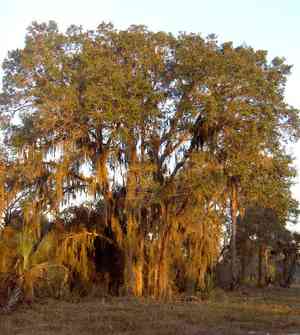
Quercus geminata, a robust evergreen tree, thrives in sandy substrates. For superior outcomes, vegetative propagation via cuttings is the preferred method. Select cuttings from vigorous, established branches and apply a rooting stimulant to encourage root formation. Insert them into porous, sandy earth with sufficient hydration, preventing excessive wetness. Rooting may be a gradual process, so perseverance is essential. Consistent observation and proper soil conditions will result in thriving young trees.
What Is the Best Time To Propagate Sand Live Oak?
Propagation Type
Cutting
Propagation Season
Fall,Winter
What Tools Are Used in Sand Live Oak Propagation?
Pruning Shears
Crucial for making clean, precise cuts from the parent plant. High-quality, sharp pruning shears prevent damage to the plant tissue, reducing the risk of infections and promoting better rooting of sand live oak cuttings.
Rooting Hormone
Applied to the cut ends of sand live oak cuttings to enhance root development. This hormone can significantly improve the success rate of propagation by stimulating the formation of roots on the cuttings.
Propagation Trays
Used to hold the cuttings in a controlled environment where soil moisture and temperature can be regulated. Propagation trays ensure that the sand live oak cuttings remain upright and receive consistent care during the rooting process.
Humidity Dome
Provides a controlled environment with high humidity levels, which is essential for the successful rooting of sand live oak cuttings. A humidity dome helps to prevent the cuttings from drying out and ensures optimal moisture levels.
Sterile Growing Medium
A mix of perlite and peat moss or similar growing medium provides excellent drainage and aeration, which is crucial for preventing rot and encouraging root formation in sand live oak cuttings.
Mist Spray Bottle
Used to keep the cuttings and growing medium consistently moist without waterlogging them. Regular misting helps maintain the required humidity levels around the sand live oak cuttings, promoting faster and healthier root growth.
Heat Mat
Provides bottom heat, which can significantly improve the rooting success of sand live oak cuttings. This is particularly beneficial in cooler growing conditions, ensuring that the cuttings stay warm enough to encourage root development.
How to Propagate Sand Live Oak?
Propagation Type
Moderately Difficult
How to Care for Your Newly Propagated Sand Live Oak?
How to Care for Your Newly Propagated Sand Live Oak?
Once the cuttings have established roots and are ready for transplanting, gradually acclimate sand live oak to outdoor conditions before planting in their permanent location. Ensure they are planted in well-draining sandy soil, typical of their native environment. Water deeply but infrequently to encourage deep root growth. Mulch around the base to conserve moisture and protect roots. Regularly monitor for pests and diseases, pruning as needed to maintain a healthy structure.
Common Mistakes to Avoid When Propagating Sand Live Oak
Overwatering
Excessive water can lead to root rot. Sand live oak prefers well-draining sandy soils and is adapted to dry conditions.
Incorrect Soil Type
Using heavy, clay-rich soils can impede drainage and stunt growth. Sand live oak thrives in sandy soils.
Lack of Sunlight
Insufficient sunlight can weaken the plant and hinder successful propagation. Sand live oak requires full sun to partial shade.
Improper Seed Handling
Planting seeds too shallow or deep can affect germination rates. Sand live oak's acorns need to be planted at the right depth for optimal growth.
Failure to Protect Seedlings
Seedlings are vulnerable to pests and harsh weather. Lack of protection can result in high mortality rates.
Tips For Propagating Sand Live Oak
Well-Draining Soil
Use sandy or well-draining soil to replicate sand live oak's natural habitat and prevent root rot.
Adequate Moisture
While sand live oak is drought-tolerant, keep the soil moderately moist during the initial stages of propagation.
Proper Sunlight
Ensure the propagating area receives full sun to partial shade to mimic sand live oak's natural environment.
Correct Seed Depth
Plant acorns 1-2 inches deep, with the pointed end facing downward, for optimal germination.
Seedling Protection
Use protective measures like fencing or netting to shield young plants from pests and harsh environmental conditions.



