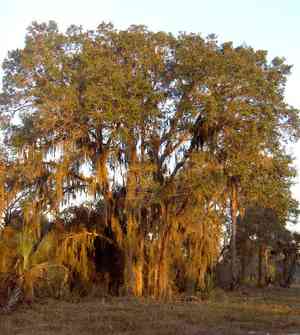
Sand live oak (Quercus geminata)
Also known as: Sand Live Oak
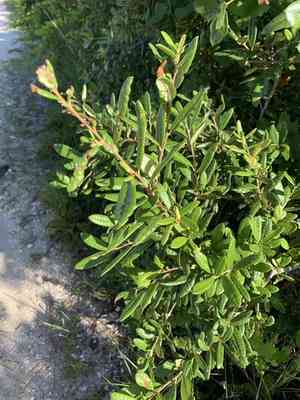
The sand live oak (Quercus geminata) is a tough, evergreen tree commonly found in sandy coastal areas of the southeastern United States. It features thick, elliptical leaves with a silvery underside, which helps it conserve water and withstand drought conditions. The tree produces acorns that serve as a vital food source for many animals.
**Characteristics:**
- **Height:** Typically smaller than other oaks, reaching up to 50 feet.
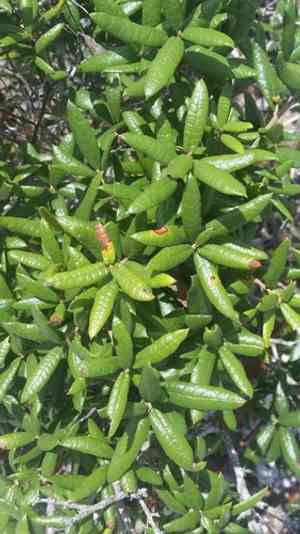
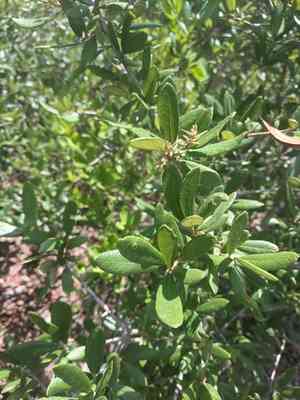
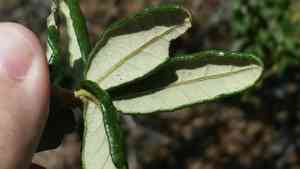
- **Leaves:** Thick, leathery, and elliptical with a glossy upper surface and a silver-white underside.
- **Acorns:** Small and often found in pairs, crucial for local wildlife diets.
**Ecological Benefits:**
- **Habitat:** Offers shelter and nourishment for a variety of animals, including birds, insects, and mammals.
- **Fire Resilience:** Thrives in fire-prone areas, playing a key role in maintaining ecological balance and biodiversity.
- **Soil Erosion Control:** Its deep root system helps stabilize sandy soils, reducing erosion.
- **Carbon Storage:** Contributes to carbon sequestration, aiding in climate change mitigation.
In summary, the sand live oak is essential for coastal ecosystems, providing significant environmental and ecological contributions.
Attributes of Sand live oak
Images of Sand live oak
 How to Water Sand live oak?
  What Are the Sunlight Requirements for Sand live oak?
  What Is the Ideal Temperature Range for Sand live oak?
  What Soil is Best for Sand live oak?
  How to Fertilize Sand live oak?
  How to Prune Sand live oak?
  How to Propagate Sand live oak plant?
 How to Repot Sand live oak plant?



