How to Prune Sand live oak?
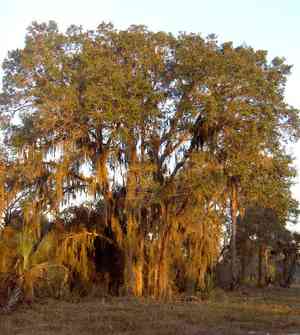
The sand live oak is a robust, arid-resistant tree recognized for its thick foliage and deep green leaves. Perform pruning during the winter season to eliminate deceased or compromised branches, foster air movement, and sculpt the tree's form. Reducing the density of the crown can enhance light access and diminish susceptibility to wind. Refrain from extensive pruning, as this can cause strain to the plant. Consistent upkeep encourages a sound framework and lessens the likelihood of branch failure. Employ sanitized, keen implements to execute precise cuts and mitigate disease transmission.
What Are the Benefits of Pruning Sand Live Oak?
What Are the Benefits of Pruning Sand Live Oak?
Pruning Sand live oak encourages robust development and maintains its form. Trimming aids in eliminating dead or ailing branches, enhancing air movement and light exposure, boosting resistance to pests and illnesses, and fostering a well-formed, thriving plant.
What Is the Best Time for Pruning Sand Live Oak?
What Is the Best Time for Pruning Sand Live Oak?
Trimming or cutting Sand live oak in winter is ideal as this period aligns with its dormant phase within its growth cycle. Pruning during dormancy minimizes plant stress and lowers the risk of pest infestations or disease. Additionally, it allows the plant to mend wounds before the vigorous spring growth, promoting healthier, stronger development.
What Tools Do I Need to Prune Sand Live Oak?
Hand Pruners
Optimal for small branches and twigs up to 1/2 inch in diameter. Bypass pruners ensure clean cuts, minimizing damage and promoting quicker healing.
Loppers
Perfect for branches up to 2 inches in diameter. Bypass loppers offer leverage and precise cuts for proper branch removal.
Pruning Saw
Essential for larger branches, typically exceeding 2 inches in diameter. A pruning saw can manage thicker wood without harming the structure.
Pole Pruner
Useful for elevated branches that are out of reach. Provides accurate cutting without requiring a ladder, ensuring safety.
Tree Pruning Scissors
Helpful for refining cuts and removing smaller, delicate growths. Ensures detailed trimming without causing harm.
How to Prune Sand Live Oak
Inspection
Examine Sand live oak for any indications of dead or diseased branches. Look for discoloration, absence of leaves, or signs of decay.
Sterilize Tools
Clean and sanitize your pruning tools with a mild bleach solution (1 part bleach to 9 parts water) to prevent disease transmission.
Remove Dead Branches
Cut dead branches back to the nearest healthy branch or the main trunk. Ensure cuts are clean and made at a slight angle to facilitate water runoff.
Remove Diseased Branches
Prune away diseased branches by cutting well below the infected area, ideally 6-12 inches into healthy wood. Dispose of these branches immediately to prevent contamination.
Inspect and Clean
After pruning, re-inspect the plant to confirm all diseased and dead parts have been removed. Clean your tools thoroughly once the task is complete.
Common Pruning Mistakes with Sand Live Oak
Improper technique
Using dull or incorrect tools can harm branches, leading to disease or pest infestation. Ensure your pruning tools are sharp and clean.
Wrong timing
Heavy pruning during active growth periods can stress the plant. While specific timing details are omitted here, avoid drastic pruning when the plant is actively growing.
Over-pruning
Removing too much foliage at once can weaken the plant, making it vulnerable to diseases and reducing its ability to photosynthesize.
Incorrect cuts
Making flush cuts or leaving stubs can impede proper healing. Always cut just above a bud or branch junction to encourage healthy regrowth.
Ignoring dead or diseased branches
Failing to remove dead, diseased, or damaged branches can lead to further health issues for the plant. Regularly inspect and remove these branches.
Common Pruning Tips for Sand Live Oak
Tool maintenance
Keep your pruning tools sharp and clean to make precise cuts and prevent the spread of disease.
Selective thinning
Focus on thinning the canopy to allow light penetration and air circulation. This encourages healthy growth and reduces the risk of fungal diseases.
Targeted cuts
Prune just above an outward-facing bud to encourage branch growth in that direction. This helps in shaping the plant and maintaining a balanced structure.
Sanitization
Disinfect pruning tools between cuts, especially when dealing with diseased branches, to prevent the spread of pathogens.
Gradual pruning
Spread out major pruning over several seasons rather than doing it all at once. This minimizes stress on the plant and helps maintain its overall health.



