How to Transplant Butterfly orchid?
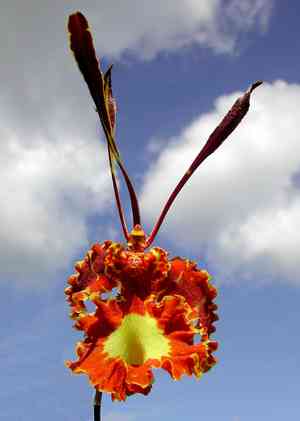
The optimal period for transplanting butterfly orchid is from the warmth of late spring through mid-summer, capitalizing on vigorous development. Select a location with bright, diffused illumination and guarantee sufficient moisture in the air. Careful manipulation is crucial to protect its fragile root system.
What Preparations are Needed Before Transplanting Butterfly Orchid?
What is the Ideal Time for Transplanting Butterfly Orchid?
The best time to move butterfly orchid is from late spring to early summer, when temperatures are mild. This period allows the roots of butterfly orchid to become established before colder weather arrives. Relocating butterfly orchid during this favorable window promotes vigorous growth and adaptation, ensuring a strong start in its new environment.
How Much Space Should You Leave Between Butterfly Orchid Plants?
Ensure proper spacing before planting your butterfly orchid. Each plant requires approximately 1-2 feet (30-60 cm) of distance. This provides sufficient room for growth and prevents overcrowding. This small step significantly contributes to your plant's overall health.
What is the Best Soil Mix for Butterfly Orchid Transplanting?
Before transplanting, prepare the growing medium. Butterfly orchid thrives in a blend of compost and loamy soil as its foundation. A generous application of slow-release, granular fertilizer will supply ample nutrients. Remember, healthy soil leads to a healthy plant!
Where Should You Relocate Your Butterfly Orchid?
Your butterfly orchid enjoys sunlight! However, it performs best in a spot receiving indirect light. Excessive direct sun can scorch its leaves. Aim for a location near a window or an outdoor area with balanced light, avoiding intense, direct sun.
What Equipments Should You Prepare Before Transplantation Butterfly Orchid?
Gardening Gloves
To protect your hands when handling the plant and soil.
Potting Mix
A quick-draining substrate suitable for orchids.
Larger Pot
A container slightly bigger than the original to accommodate future growth.
Shovel
For digging out the butterfly orchid plant or removing soil from the pot.
Coir Stick
To provide support for the upward growth habit of butterfly orchid.
Scissors or Secateurs
For making clean cuts if any roots or shoots require trimming.
How Do You Remove Butterfly Orchid from the Soil?
How Do You Remove Butterfly Orchid from the Soil?
From Ground: First, moisten the butterfly orchid with water. Carefully dig around the plant with a shovel, avoiding damage to the root ball. Gently work the shovel beneath the root ball to lift butterfly orchid out.From Pot: Lightly water butterfly orchid to soften the soil. Carefully turn the pot on its side and gently tap it to release the plant, taking care not to harm its roots.From Seedling Tray: Water the seedlings before removal. Loosely grasp the stem and push the soil from the bottom of the container to dislodge the butterfly orchid seedling.
Step-by-Step Guide for Transplanting Butterfly Orchid
Preparation
Prepare the new container by filling it with potting mix, leaving adequate space for the orchid's roots. Insert the coir stick into the pot to serve as support for butterfly orchid.
Placement
Gently position butterfly orchid in its new pot, placing it near the coir stick. The plant's roots should spread freely within the pot. Finally, place the newly potted butterfly orchid in a warm, humid, well-ventilated spot away from direct sunlight.
Filling
Add more potting mix around the plant, ensuring all roots are covered but the stem remains above the soil surface.
Settling
Water butterfly orchid thoroughly to help the plant settle into its new location. Secure the plant to the coir stick, if needed, for stability.
How Do You Care For Butterfly Orchid After Transplanting?
Watering
Always keep the potting mix around butterfly orchid slightly moist â be careful not to overwater, as this can lead to root rot.
Humidity
Maintain a humid environment for butterfly orchid by regularly misting its leaves. Avoid wetting the flowers, as this can cause damage.
Pruning
Remove any dead or dying leaves and flower spikes using disinfected scissors or secateurs to encourage new growth.
Feeding
After several weeks, begin fertilizing butterfly orchid with a specialized orchid fertilizer, following the product's instructions.
Support
Monitor the growth of butterfly orchid and adjust the support tie on the coir stick as necessary. Remember, patience is crucial when caring for orchids!
Troubleshooting Common Issues with Butterfly Orchid Transplantation.
What's the best time of the year to transplant butterfly orchid?
The optimal period for transplanting butterfly orchid is during the third to fifth season, or from late spring to early autumn.
How much spacing does butterfly orchid need when transplanting?
When relocating butterfly orchid, ensure a distance of approximately 1-2 feet (30-61 cm). This promotes sufficient air circulation.
Should I water butterfly orchid immediately after transplanting?
Yes, it is beneficial to thoroughly water butterfly orchid right after transplanting. This helps to settle the soil around its roots.
What is the best soil mix for transplanting butterfly orchid?
Butterfly orchid thrives in well-draining soil. A blend of loam, sand, and organic matter is an excellent choice for these plants.
Do I need to prune butterfly orchid before transplanting?
Pruning butterfly orchid is not mandatory before transplanting, but you can remove any damaged or diseased sections to ensure a healthier plant.
How deep should I plant butterfly orchid?
Dig a hole that matches the depth of the butterfly orchid's root ball and is twice as wide. This allows the roots ample space to spread and establish.
Should I fertilize butterfly orchid after transplanting?
Wait at least 4-6 weeks after transplanting butterfly orchid before applying any fertilizer, allowing the plant time to adjust.
How can I ensure successful root establishment of butterfly orchid post-transplant?
Keep the soil consistently moist but not waterlogged, and place butterfly orchid in a location with filtered sunlight for optimal root development.
What care does butterfly orchid require immediately after transplanting?
After transplanting butterfly orchid, keep the plant hydrated and ensure it receives indirect sunlight. Also, protect it from harsh weather conditions.
What type of container works best for transplanting butterfly orchid?
Use containers that are wider than they are deep, with excellent drainage. Terracotta or plastic pots that are 2-3 inches (5-7.6 cm) larger than the root ball are suitable for butterfly orchid.



