How to Prune Butterfly orchid?
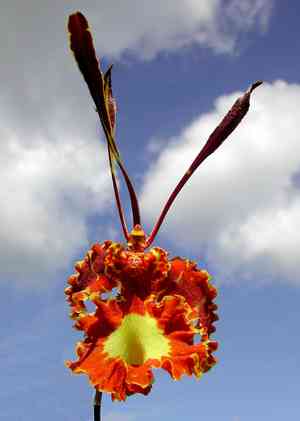
The butterfly orchid, known for its distinctive butterfly-shaped flowers, is a variety that needs very little trimming. Essential methods involve taking off withered or discolored foliage and faded flower stalks with disinfected shears. The ideal period for this task is in late winter or early spring, prior to the emergence of new shoots. This schedule minimizes strain on the butterfly orchid and encourages robust flowering. Trimming is advantageous for its visual appeal and for averting illnesses by enhancing air movement around the specimen.
What Are the Benefits of Pruning Butterfly Orchid?
What Are the Benefits of Pruning Butterfly Orchid?
Trimming butterfly orchid promotes robust development and helps maintain its desired form, ensuring optimal vitality and the display of its distinctive blooms.
What Is the Best Time for Pruning Butterfly Orchid?
What Is the Best Time for Pruning Butterfly Orchid?
Pruning butterfly orchid in late winter or early spring aligns with its post-dormancy period when new growth emerges. This timing allows for the removal of dead or damaged parts before energy is directed to fresh leaves and flowers. It aids in shaping the plant without hindering the development of new shoots crucial for the next flowering cycle. Since butterfly orchid typically blooms on new growth, pruning in late winter or early spring minimizes disruption to the blooming process, fostering healthier and more attractive flowers. It also helps reduce disease risk, as fresh cuts heal quickly during the growing season, limiting pathogen exposure.
What Tools Do I Need to Prune Butterfly Orchid?
Sterile Precision Scissors
Given the delicate nature of butterfly orchid, sharp, sterile precision scissors are essential for pruning. These ensure clean cuts, preventing damage to the orchid's slender stems and reducing disease transmission risk.
Tweezers or Forceps
Due to the intricate, dense growth habit of butterfly orchid, tweezers or forceps are useful for removing dead or dying flower spikes and leaves with minimal disturbance to healthy sections.
Alcohol Wipes or Rubbing Alcohol
To prevent pathogen spread, alcohol wipes or rubbing alcohol should be used to sanitize cutting tools before and after pruning butterfly orchid. Sterilization is vital for orchid health.
Gloves
Wearing gloves while handling butterfly orchid can safeguard both the plant from skin oils and salts, and the gardener from potential skin irritation.
How to Prune Butterfly Orchid
Sterilize Tools
Before you begin pruning butterfly orchid, sanitize your pruning tools with rubbing alcohol or a household disinfectant to prevent disease spread.
Identify
Carefully inspect butterfly orchid to pinpoint diseased or withered leaves that require removal, being careful not to confuse its naturally mottled leaves with illness.
Cut Diseased Leaves
Using your sterilized tools, cut any diseased leaves at their base where they emerge from the pseudobulb, taking care not to harm healthy tissue.
Cut Withered Leaves
For withered leaves, wait until they are completely dry, then gently pull them away from the pseudobulb; they should detach easily without needing to be cut.
Common Pruning Mistakes with Butterfly Orchid
Overpruning
Removing too many leaves or cutting off healthy pseudobulbs can weaken butterfly orchid, causing stress and diminishing its ability to bloom.
Incorrect Cutting
Cutting butterfly orchid with dull or unclean tools can damage tissues and introduce disease to the plant.
Pruning Live Flower Spikes
Trimming live flower spikes can prematurely end the blooming cycle, as butterfly orchid can rebloom from existing spikes.
Excessive Cleaning
Butterfly orchid requires minimal pruning. Removing too much plant material during cleaning can lead to accidental damage to new growths or blooms.
Disregarding Plant Health
Failing to consider the plant's health before pruning can worsen existing conditions, leading to poor growth or disease.
Common Pruning Tips for Butterfly Orchid
Sterilize Tools
Always use sanitized pruning tools to prevent disease transmission when trimming butterfly orchid.
Dry Conditions
Prune butterfly orchid in dry conditions to reduce the risk of fungal infections at the cut sites.
Distinguish Spikes
Differentiate between spent flower spikes and new growths. Only prune spikes that have fully dried.
Gentle Cleaning
Perform gentle cleaning of butterfly orchid, carefully removing only dead or yellowing leaves to prevent damage to healthy parts.
Cut At Base
When removing dead pseudobulbs or spikes, make clean cuts close to the base without harming adjacent growths.



