How to Transplant Narrowleaf indian breadroot?
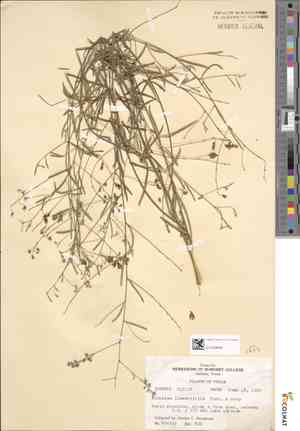
For narrowleaf indian breadroot, the ideal period for relocation is from the beginning to the end of spring, as the ground warms and new development commences. Select a bright, adequately drained spot, providing this perennial with optimal conditions for flourishing.
Necessary Preparations Before Relocating Narrowleaf Indian Breadroot?
When is the Best Time to Move Narrowleaf Indian Breadroot?
The prime window for relocating narrowleaf indian breadroot spans from the start of early spring to the close of late spring. During this interval, the ground warms, fostering root development and growth. This period also aligns with elevated moisture levels, thereby lessening transplant stress and boosting the resilience of narrowleaf indian breadroot. Shifting narrowleaf indian breadroot at this juncture can significantly enhance its chances of flourishing.
What is the Recommended Spacing Between Narrowleaf Indian Breadroot Plants?
For your narrowleaf indian breadroot, ensure each plant is positioned 18-24 inches (45-60 cm) apart. This provides ample room for growth and prevents competition for vital nutrients.
Which Soil Mixture is Optimal for Narrowleaf Indian Breadroot Transplanting?
Prepare well-draining soil for your narrowleaf indian breadroot. A sandy or loamy consistency is ideal. Incorporate a balanced base fertilizer, such as a 10-10-10 (N-P-K) blend, to supply essential nutrients for robust development.
Where Should You Replant Your Narrowleaf Indian Breadroot?
Select a site that receives full sun for the best development of your narrowleaf indian breadroot. Aim for at least 6 hours of direct sunlight daily to ensure they thrive.
What Tools Should You Gather Before Transplanting Narrowleaf Indian Breadroot?
Gardening Gloves
To safeguard your hands while handling soil and plants.
Shovel or Spade
For excavating around the plant and extracting it from its original spot.
Garden Fork
Useful for loosening soil and detaching the root ball for containerized plants.
Watering Can
For hydrating the plant before and after its relocation.
Trowel
A small hand tool for precise digging and lifting tasks.
Bucket
To transport the plant if needed.
How Do You Extract Narrowleaf Indian Breadroot from the Ground?
How Do You Extract Narrowleaf Indian Breadroot from the Ground?
From Ground: First, moisten the narrowleaf indian breadroot plant to dampen the soil. Then, excavate a wide trench around the plant using a shovel or spade, ensuring the plant's root ball remains intact. Carefully maneuver the spade beneath the root ball to lift the plant from its initial location.From Pot: Lightly water the plant. Gently tilt the pot onto its side and tap it to loosen the root ball. Carefully slide the plant out, supporting the root ball with your hands.From Seedling Tray: Thoroughly water the seedlings. Using a trowel or your fingers, gently loosen the soil surrounding each seedling. Carefully lift each one by the base of the stem, ensuring the roots remain undamaged.
Step-by-Step Instructions for Relocating Narrowleaf Indian Breadroot
Site Preparation
Prepare the new planting area by digging a hole that is twice as wide and equally deep as the root ball of the narrowleaf indian breadroot plant.
Soil Enrichment
Incorporate compost or organic material into the soil at the base of the hole to enhance nutrient content and drainage.
Transfer Plant
Position the narrowleaf indian breadroot plant in the hole, ensuring the top of the root ball is level with the ground. Backfill the hole with soil, pressing gently to eliminate air pockets.
Watering
Immediately water the newly relocated narrowleaf indian breadroot plant thoroughly to help settle the soil around the roots and mitigate transplant shock.
How Do You Care For Narrowleaf Indian Breadroot After Relocation?
Watering
Maintain consistent moisture in the soil around the narrowleaf indian breadroot, avoiding sogginess, for the initial weeks post-transplant to aid in strong root establishment.
Mulching
Apply a layer of mulch around the plant's base to retain moisture and stabilize soil temperature.
Monitoring
Observe the narrowleaf indian breadroot plant for any indications of stress, such as wilting or discoloration, and address them promptly.
Resolving Common Issues with Narrowleaf Indian Breadroot Transplantation.
What is the optimal period to transplant narrowleaf indian breadroot?
Relocate narrowleaf indian breadroot from early spring to late spring for best growth and establishment.
How much space should be maintained between transplanted narrowleaf indian breadroot plants?
Ensure 18-24 inches (45-61 cm) of separation between narrowleaf indian breadroot plants for healthy development.
What depth should I plant narrowleaf indian breadroot?
Plant narrowleaf indian breadroot at the same depth it was previously growing, typically at root level.
Which soil type is ideal for transplanting narrowleaf indian breadroot?
Select well-draining soil, preferably sandy or loamy, to facilitate proper root growth for narrowleaf indian breadroot.
Should I water narrowleaf indian breadroot immediately after transplanting?
Yes, thoroughly water narrowleaf indian breadroot after transplanting to help settle the soil and reduce transplant shock.
How can I safeguard newly transplanted narrowleaf indian breadroot from pests?
Utilize natural deterrents or physical barriers like netting to protect narrowleaf indian breadroot from common garden pests and insects.
How should I handle the roots when transplanting narrowleaf indian breadroot?
Handle the roots of narrowleaf indian breadroot with care to prevent damage; ensure they are spread out in the new hole.
Can I fertilize narrowleaf indian breadroot when transplanting?
It's advisable to wait a few weeks after transplanting before fertilizing narrowleaf indian breadroot to prevent root burn.
What is the ideal temperature for transplanting narrowleaf indian breadroot?
Transplant narrowleaf indian breadroot when temperatures are moderate, around 60-70°F (15-21°C) to minimize transplant shock.
How can I prevent transplant shock in narrowleaf indian breadroot?
Water consistently, provide initial partial shade, and avoid disturbing the roots to minimize transplant shock in narrowleaf indian breadroot.



