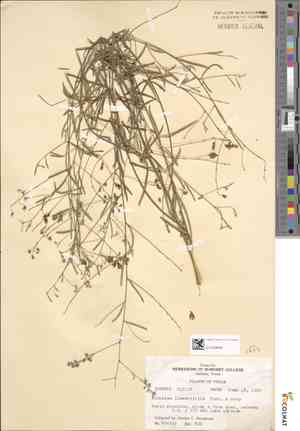
Narrowleaf indian breadroot (Psoralea linearifolia)
Also known as: None discovered yet
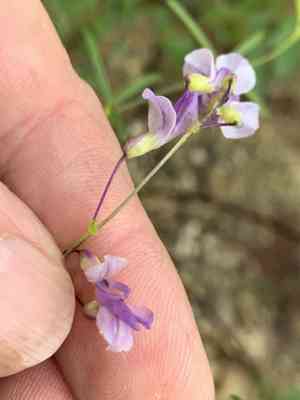
Narrowleaf Indian breadroot (Pediomelum tenuiflorum) is a herbaceous perennial legume known for its slender, linear leaves and small clusters of bluish-purple, pea-like flowers. It boasts a deep taproot, which enables it to access moisture in dry soils, making it well-suited to prairies, open woodlands, and sandy or rocky areas. Its unique foliage and vibrant flowers make it easily identifiable in its natural grassland habitats.
In This Article
Attributes of Narrowleaf indian breadroot
Lifespan
Perennial
Plant Type
Herb
Plant Height
20 to 60 cm
Spread
Not typically measured; this plant often has a small, narrow crown.
Leaf Color
Green
Flower Size
Approximately 1 cm
Flower Color
Blue, Purple
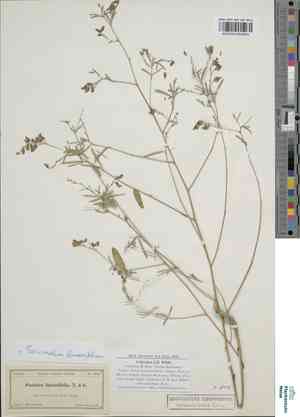
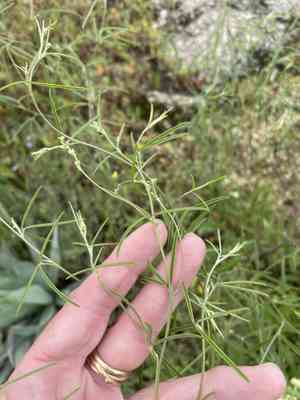
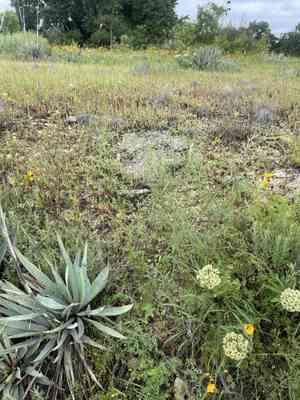
Images of Narrowleaf indian breadroot
Quickly Identify Narrowleaf indian breadroot
1
The plant can be identified by its linear leaves which are elongated and slender. The flowers are typically small and can be blue or purple. The presence of small, pod-like fruits is also characteristic.
Scientific Classification of Narrowleaf indian breadroot
Phylum
Vascular plants
Class
Dicotyledons
Order
Fabales
Family
Legume
Genus
White tumbleweed
Species
Narrowleaf indian breadroot
Planting and Growing of Narrowleaf indian breadroot
Care Difficulty
Easy
Watering Schedule
Every 2 days
Sunlight Requirements
Full sun
Sunshine Duration
6-12 hours
Ideal Temperature
65-75℉
Soil Type
Potting Mix, Peat Mix
Soil pH
6.5-7.5
Fertilizer Type
Balanced
Pruning Season
Spring, Summer
Pruning Area
Branches, Leaves
Pruning Frequency
2 times a year
Repotting Season
Spring
Pot Type
Plastic, Ceramic
 How to Water Narrowleaf indian breadroot?
When watering Psoralea linearifolia, aim to saturate the soil deeply but allow it to dry somewhat between waterings. This plant prefers moderate moisture levels, and 500 ml per watering, ensuring the water reaches the root zone but isn't left to oversaturate the soil.
What are the symptoms of an underwatered Narrowleaf indian breadroot?
›
What should I do if my Narrowleaf indian breadroot is not getting enough water?
›
What are the symptoms of an overwatered Narrowleaf indian breadroot?
›
How to save an overwatered Narrowleaf indian breadroot?
›
 What Are the Sunlight Requirements for Narrowleaf indian breadroot?
Full sun is preferred, ensuring robust growth, vibrant foliage, and prolific blooming. The plant flourishes when exposed to its optimal light range.
Where to position for optimal sunlight?
›
What are the solutions for achieving ideal lighting?
›
What benefits arise from ideal lighting?
›
 What Is the Ideal Temperature Range for Narrowleaf indian breadroot?
For optimal growth of Psoralea linearifolia, maintaining a temperature range between 65 to 75°F is essential. This range supports photosynthesis and other metabolic processes, ensuring vibrant health and robust growth. It's crucial to maintain consistent temperatures without dramatic fluctuations to prevent plant stress and promote steady development.
 What Soil is Best for Narrowleaf indian breadroot?
Psoralea linearifolia thrives in well-drained soils, which help prevent root rot by allowing excess water to escape easily. This ensures the plant receives sufficient moisture without becoming waterlogged, leading to healthier growth and a reduced risk of fungal infections. The plant prefers soils with good aeration, which promotes healthy root development by ensuring that roots have access to oxygen. Well-aerated soils support more vigorous growth and enable the plant to better absorb nutrients from the soil. Nutrient-rich soils are ideal for Psoralea linearifolia, as they provide the essential minerals and nutrients needed for robust growth. This can be achieved through the use of organic compost or well-decomposed manure, contributing to better overall plant health.
 How to Fertilize Narrowleaf indian breadroot?
For Psoralea linearifolia, it's essential to maintain a balance in nutrient levels. Typically, use a balanced liquid fertilizer diluted at half strength every two weeks. For slow-release fertilizers, apply sparingly, ensuring not to exceed the recommended dosage on the package.
 How to Prune Narrowleaf indian breadroot?
Start by identifying dead, damaged, or diseased branches. These should be your primary focus as they can hinder the plant's overall vitality. Look for branches that cross or rub against each other and remove them to improve the structure. Using sharp, clean shears, make precise cuts about a quarter-inch above a bud, facing outward to encourage growth in the desired direction. Ensure the cut is angled to prevent water from collecting on the wound. After removing problem areas, step back and assess the overall shape of the plant. Trim back additional growth to create a balanced, aesthetically pleasing form that allows light to penetrate throughout. Once pruning is complete, clear fallen leaves and branches from the base of the plant. This helps prevent pests and diseases from taking hold and keeps the area tidy.
More About Pruning Techniques→
 How to Propagate Narrowleaf indian breadroot plant?
1
Begin by loosening the soil where the seeds will be planted. This aids in drainage and root expansion. Level the area with a rake to create a smooth surface for even seed distribution.
2
Choose a healthy branch and use pruning shears to cut a section around 6 inches in length. Remove the lower leaves and dip the cut end in rooting hormone to encourage root growth.
3
Evenly scatter the seeds over the prepared seedbed. Cover them lightly with soil, not more than twice their diameter in depth, and water gently to avoid displacing them.
 How to Repot Narrowleaf indian breadroot plant?
1
Watch for signs like roots growing out of the drainage holes or the plant becoming top-heavy. Spring and autumn are ideal as the plant is actively growing.
2
Choose a pot that is slightly larger than the current one, with adequate drainage holes. This ensures enough space for root expansion and prevents waterlogged conditions, essential for Psoralea linearifolia.
3
Opt for a well-draining sandy mix to mimic the natural habitat of Psoralea linearifolia. This soil type prevents root rot and ensures proper aeration, promoting healthy growth.
Learn More About Narrowleaf indian breadroot Diseases
Anthracnose
Bacterial Leaf Spot
Bacterial Wilt
Crown Gall
Cyst Nematode
Damping-off
Downy Mildew
Drought Stress
Fusarium Wilt
Gray Mold
Leaf Curl
Leaf Spot
Mosaic
Nutrient Deficiency
Nutrient Toxicity
Powdery Mildew
Root Rot
Root-knot Nematode
Rusts
Sooty Mold
Spider Mites
Temperature Stress
Thrips Damage
White Mold



