How to Propagate Narrowleaf indian breadroot?
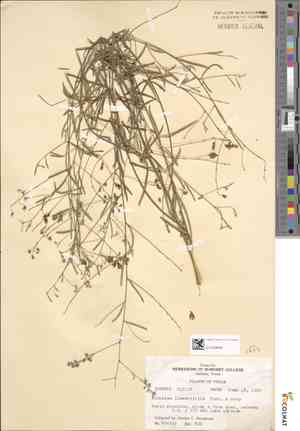
Narrowleaf indian breadroot flourishes when reproduced by seeding. For peak development, utilize a growing medium that drains effectively and ensure it possesses moderate fertility. Sow the seeds during a period of consistently elevated temperatures to encourage sprouting. Consistent irrigation is essential, yet permit the substrate to dry out somewhat between applications to avert root decay. Position the plant in an area that receives abundant solar exposure, as this supports robust growth and flowering.
Optimal Period for Propagating Narrowleaf Indian Breadroot?
Propagation Method
Seeding
Propagation Season
Spring
Tools Utilized in Narrowleaf Indian Breadroot Propagation?
Seed trays
Seed trays are perfect for planting and managing the sprouting of narrowleaf indian breadroot's seeds in a regulated setting. These trays help maintain consistent soil moisture and temperature, vital for narrowleaf indian breadroot's germination. The shallow compartments facilitate easy separation of seedlings during transplanting, minimizing root disturbance.
Fine seedling mix
A premium, fine seedling mix offers the light, well-draining soil conditions required for successful narrowleaf indian breadroot seed germination. This medium ensures that narrowleaf indian breadroot's delicate roots have an optimal environment for growth, reducing fungal disease risk and promoting a healthier root system.
Misting bottle
A misting bottle is employed to gently water narrowleaf indian breadroot seeds without dislodging them, which is crucial during the delicate germination phase. The fine mist keeps the soil moist but not excessively wet, preventing seed rot and providing necessary hydration for sprouting.
Heat mat
A heat mat assists in maintaining a consistent soil temperature, which is essential for narrowleaf indian breadroot's germination. By providing a stable heat source, the mat ensures the soil temperature remains ideal despite external fluctuations, significantly boosting germination rates.
Grow lights
Grow lights are vital when propagating narrowleaf indian breadroot indoors, as they supply the necessary light spectrum to support seedling growth when natural sunlight is insufficient. These lights help prevent seedlings from becoming leggy and encourage stronger, healthier development.
How to Propagate Narrowleaf Indian Breadroot?
Propagation Type
Simple
How to Care for Your Newly Propagated Narrowleaf Indian Breadroot?
How to Care for Your Newly Propagated Narrowleaf Indian Breadroot?
Post-propagation, continue to provide narrowleaf indian breadroot with light irrigation, ensuring the soil stays slightly damp. Position the plant in an area receiving partial to full sun exposure. Regular application of a balanced, slow-release fertilizer will support robust growth. Monitor for any pest or disease signs and treat as needed to maintain plant health.
Common Mistakes to Avoid When Propagating Narrowleaf Indian Breadroot
Overwatering
Excessive watering of narrowleaf indian breadroot can lead to root rot, as too much moisture hinders proper root function, ultimately preventing the plant from absorbing vital nutrients and oxygen.
Deep planting
Planting narrowleaf indian breadroot too deeply can cause seeds or roots to lack essential oxygen, impeding germination or root establishment and potentially leading to fungal infections.
Neglecting soil preparation
Failing to prepare a well-draining soil mix for narrowleaf indian breadroot can result in waterlogging and poor root development, which inhibits overall growth and health.
Tips For Propagating Narrowleaf Indian Breadroot
Use well-draining soil
Utilizing a well-draining soil mix ensures that narrowleaf indian breadroot's roots have adequate moisture without becoming waterlogged, promoting healthy root growth.
Shallow planting
Planting narrowleaf indian breadroot seeds or root cuttings at a shallow depth ensures they receive sufficient oxygen and can easily emerge through the soil surface as they germinate.
Moderate watering
Providing moderate watering encourages narrowleaf indian breadroot's roots to seek water deeper within the soil, fostering stronger root growth and minimizing the risk of diseases associated with excessive moisture.



