How to Prune Narrowleaf indian breadroot?
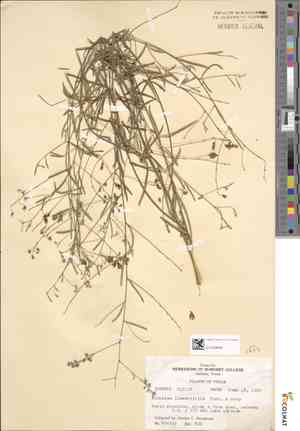
Distinguished by its delicate leaves, narrowleaf indian breadroot flourishes with appropriate trimming throughout spring and summer, coinciding with its periods of vigorous development. Essential methods involve reducing crowded sections to improve light exposure and airflow, thereby deterring ailments and fostering strong development. Meticulous removal of aged or excessively large portions not only preserves an attractive form but also stimulates fresh, more vigorous growth. Consistent trimming is advantageous, maximizing the plant's health and lifespan.
What Are the Benefits of Pruning Narrowleaf Indian Breadroot?
What Are the Benefits of Pruning Narrowleaf Indian Breadroot?
Trimming narrowleaf indian breadroot is essential for promoting robust development and maintaining its desired form. Regular cutting aids in revitalizing growth, ensuring a compact and healthy look that enhances the plant's overall vitality.
What Is the Best Time for Pruning Narrowleaf Indian Breadroot?
What Is the Best Time for Pruning Narrowleaf Indian Breadroot?
Pruning narrowleaf indian breadroot during Spring and Summer is optimal due to various factors linked to its growth cycle and well-being. Spring pruning, as new growth emerges, stimulates the plant and fosters vigorous development by directing its energy towards producing fresh, healthy shoots. This period also allows for the removal of any dead or damaged branches from winter, thereby improving air circulation and light penetration within the plant's structure. Summer pruning, conversely, focuses more on upkeep. This involves shaping the plant, managing its size, and eliminating any suckers or water sprouts that might deplete resources from the plant's primary growth. Furthermore, pruning in these warmer months helps prevent diseases, which are less active, and gives cuts a better chance to heal before colder periods, thus supporting the plant's overall health.
What Tools Do I Need to Prune Narrowleaf Indian Breadroot?
Hand Pruners
Perfect for making clean cuts on narrowleaf indian breadroot's thinner stems and branches, minimizing harm to the plant.
Pruning Shears
Useful for shaping narrowleaf indian breadroot and managing its size by trimming back overgrown branches.
Garden Scissors
Ideal for snipping off dead or yellow leaves from narrowleaf indian breadroot, helping to maintain its health and visual appeal.
Loppers
Suitable for cutting thicker branches that hand pruners cannot manage, allowing for better control over the shape and structure of narrowleaf indian breadroot.
How to Prune Narrowleaf Indian Breadroot
Sanitize
Clean and disinfect your pruning tools before beginning the pruning process. This prevents the spread of diseases between different plants or parts of narrowleaf indian breadroot.
Identify
Carefully inspect narrowleaf indian breadroot to locate diseased and withered leaves, as well as any affected stems. Look for signs of discoloration, spots, or unusual growth.
Cut leaves
Using your sanitized pruning shears, gently trim off all diseased and withered leaves close to the base of the leaf where it connects to the stem. Ensure to make clean cuts to avoid damaging healthy tissues.
Cut stems
If any stems are diseased, prune them back to healthy tissue, ensuring the cut is just above a leaf node or bud. This promotes healthier growth and helps maintain the shape of narrowleaf indian breadroot.
Dispose
Properly discard all removed diseased leaves and stems to prevent any potential spread of disease. Do not compost these materials as they might contain pathogens.
Common Pruning Mistakes with Narrowleaf Indian Breadroot
Overpruning
Removing too much foliage from narrowleaf indian breadroot can stress the plant, leading to reduced vigor and fewer blooms. It's crucial to prune no more than one-third of the plant at a time to maintain its health.
Improper cut location
Cutting too close to the main stem or too far from a bud can hinder proper healing and potentially invite pests or diseases. Always cut just above a bud, ensuring the angle of the cut allows water to run off.
Wrong tools
Using dull or dirty pruning tools can damage narrowleaf indian breadroot's branches, creating jagged cuts that heal poorly. Sharp, clean pruning shears or knives are essential.
Common Pruning Tips for Narrowleaf Indian Breadroot
Correct timing within season
While the specific season for pruning has been covered elsewhere, timing within that season is critical. Prune narrowleaf indian breadroot when it is in a dormant state within the already specified season to encourage vigorous growth when active growth resumes.
Encouraging flowering
To boost flowering in narrowleaf indian breadroot, focus on removing old, non-productive stems. This redirection of energy helps promote the development of new, healthy flowering stems.
Maintenance pruning
Carry out maintenance pruning to remove dead or damaged branches as this will help narrowleaf indian breadroot maintain a healthy and aesthetically pleasing shape. This also prevents the spread of potential diseases.
Thinning
Thinning the plant by removing some of the inner branches can improve air circulation and light penetration, which is vital for narrowleaf indian breadroot's overall health and bloom production. Ensure not to remove more than necessary during this process.



