How to Transplant Strawberry guava?
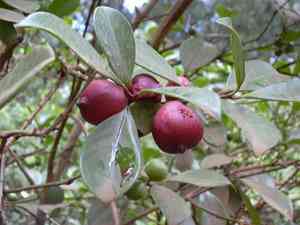
The most favorable period for relocating strawberry guava is during its vigorous growth phase, from mid to late spring. This plant thrives in soil that drains effectively and receives abundant sunlight. Careful management of the root system during transfer guarantees a smooth adaptation.
Essential Preparations Before Relocating Strawberry Guava?
Optimal Period for Transplanting Strawberry Guava?
The perfect time to move strawberry guava is from mid to late spring. This period aligns with its natural growth cycle, promoting strong root development in the warming ground. As temperatures gradually increase, strawberry guava greatly benefits from this transition, minimizing transplant shock and speeding up recovery. Additionally, spring's abundant rainfall aids strawberry guava in forming a robust root system, vital for thriving in its new spot. Shifting strawberry guava during this season is a strategic investment in its future vitality and yield.
Required Spacing Between Strawberry Guava Plants?
To ensure strawberry guava remains healthy and robust, provide ample room for each plant to expand. A good guideline is to position your plants 2-4 feet (60-120 cm) apart. This spacing allows each plant sufficient area to grow and flourish.
Ideal Soil Mixture for Strawberry Guava Transplantation?
For strawberry guava transplanting, select soil that drains effectively. A loamy soil type is perfect. Also, incorporate a foundational fertilizer such as organic compost and mix thoroughly. This enriches the soil and supplies strawberry guava with necessary nutrients.
Recommended Location for Your Strawberry Guava?
Regarding placement, strawberry guava thrives in sunny areas! Choose a spot with full sun to partial shade. This means about 6 to 8 hours of sunlight daily. This will help strawberry guava flourish beautifully.
Equipment Needed Before Transplanting Strawberry Guava?
Shovel or Trowel
To excavate a suitable hole for the strawberry guava plant in its new site and to extract the plant from its current position.
Gardening Gloves
To safeguard your hands while handling soil and plants.
Pruning Shears
To trim any dead or diseased roots or branches on the strawberry guava plant prior to relocation.
Garden Hose or Watering Can
For hydrating the plant both before and after its transfer.
Stakes and Ties
To offer extra support to the strawberry guava plant post-transplant, especially for larger specimens.
How to Extract Strawberry Guava from the Soil?
How to Extract Strawberry Guava from the Soil?
From Ground: First, hydrate the strawberry guava plant to moisten the soil. Next, dig a wide trench around the plant using a shovel or trowel, ensuring the plant's root ball stays intact. Carefully work the shovel beneath the root ball to lift the plant from its original spot.From Pot: Water the strawberry guava plant thoroughly, then tilt the pot on its side and gently slide the plant out. Avoid pulling the stem or trunk as this can harm the plant. Instead, aim to keep the root ball undisturbed.From Seedling Tray: Again, water the strawberry guava seedling initially. Then, using a dibber or spoon, carefully loosen the soil around the edges of the cell or pot. Gently lift the seedling by its leaves rather than the stem to prevent damage and ensure the roots remain intact.
Step-by-Step Guide for Relocating Strawberry Guava
Excavating the Hole
Dig a hole in your chosen spot that is twice as wide and the same depth as the strawberry guava plant's root ball.
Preparing the Plant
Lightly trim the plant's roots and remove any dead or diseased branches with your pruning shears.
Positioning the Plant
Place the strawberry guava plant in the hole, ensuring the top of the root ball is level with the surrounding soil.
Backfilling the Hole
Refill the hole with soil, gently firming it around the base of the strawberry guava plant.
Watering
Thoroughly water the plant after planting.
Staking
If necessary, stake larger strawberry guava plants for additional support and secure them with ties. Remember, the ties should not be too tight and should allow for growth.
Post-Transplant Care for Strawberry Guava?
Watering
Maintain consistent moisture in the soil around the strawberry guava, but avoid waterlogging, for the initial weeks after transplanting to aid in root establishment.
Monitoring
Observe the strawberry guava plant daily for any indications of stress or illness.
Pruning
Trim away any diseased or dead branches that may appear to encourage new growth.
Pest Control
Regularly check for pests and take necessary actions if detected, ensuring to use organic or plant-friendly solutions.
Safeguard
Protect your strawberry guava plant from harsh weather conditions and wildlife if required.
Resolving Common Issues with Strawberry Guava Transplantation.
What is the optimal time of year to transplant strawberry guava?
It's best to move strawberry guava during the transition between growth and dormancy, typically from mid-fall to early winter (S2-S3).
How should strawberry guava be spaced during transplanting?
Allow ample space between each plant. Ideally, aim for a spacing of 2-4 feet (60-120 cm) to encourage healthy development.
What type of soil should be used when transplanting strawberry guava?
Strawberry guava prefers well-draining, fertile soil. If your garden soil is heavy clay or sandy, enrich it with organic compost or manure before transplanting.
How much water should strawberry guava plants receive after transplanting?
After relocating strawberry guava, water generously but prevent standing water. The soil should be moist, not saturated, as this can lead to root rot.
What's the correct planting depth for strawberry guava during transplant?
When transplanting strawberry guava, ensure the root ball is level with or slightly above the soil surface. Planting too deeply can harm the plant.
How can I handle strawberry guava without damaging it during transplanting?
Handle strawberry guava with care. Always lift the plant by its root ball, not by the stem or leaves, to prevent damage or stress.
Can strawberry guava be transplanted into a pot?
Yes, strawberry guava can be cultivated in containers. Select a pot at least 10-12 inches (25-30 cm) in diameter and ensure it has adequate drainage holes.
Why is my transplanted strawberry guava drooping?
Drooping can signal stress or shock. Ensure proper watering and place your strawberry guava in a partially shaded area until it recovers.
When should I fertilize my newly transplanted strawberry guava?
Wait at least 2-4 weeks after transplanting before applying a slow-release fertilizer. This allows strawberry guava to settle and avoids root burn.
Why is strawberry guava not growing after being transplanted?
Transplant shock might be the reason. Ensure adequate watering, protection from extreme weather, and patiently wait for strawberry guava to recover and begin new growth.



