Enhancing Your Garden Design with the Strawberry guava Plant: A Landscaping Guide
1
Strawberry guava enhances your outdoor space with beauty and utility.
2
Strawberry guava needs minimal care, but knowing its growth habits is key.
3
Proper handling of Strawberry guava prevents invasiveness and supports local wildlife.
Introducing Strawberry Guava to Your Garden
Selecting the Ideal Spot for Strawberry Guava
Selecting the perfect spot for Strawberry guava in your garden is vital for its robust development and visual charm. Ideally, Strawberry guava should be situated in an area receiving full sun to partial shade, as it flourishes under these conditions. When picking a location, consider the plant's mature height and width to prevent overcrowding. Additionally, ensure the soil drains well, as Strawberry guava prefers moist but not waterlogged ground.
Understanding Strawberry Guava's Mature Dimensions
Grasping the ultimate size and spread of Strawberry guava will aid in effective garden layout planning. Strawberry guava can develop into a bushy form, reaching heights of up to 15 feet with a similar width. This makes it suitable for use as a hedge or a standalone feature. It's crucial to provide ample room for the plant to grow and expand without competing for resources with other flora.
Optimal Planting Times for Strawberry Guava
The best times for planting Strawberry guava are during spring and autumn. These periods offer prime conditions for root establishment before the extremes of summer heat or winter cold arrive. Spring planting ensures Strawberry guava benefits immediately from the growing season, while fall planting allows the root system to develop before winter's onset. Amending your soil with compost and organic matter can further boost initial growth.
Aesthetic Advantages of Incorporating Strawberry Guava into Your Landscape
Visual Appeal: Color and Texture
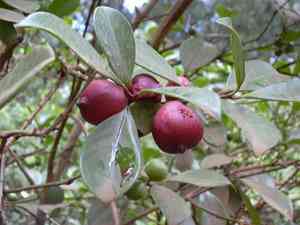
The visual allure of Strawberry guava stems from its glossy green leaves and vibrant red fruit, which introduce a burst of color to your garden. The foliage possesses a distinct texture that creates a lush, tropical ambiance, making Strawberry guava a striking addition to any landscape. The combination of these aesthetic traits enhances the overall beauty and charm of your garden.
Seasonal Transformations in Strawberry Guava's Appearance
Seasonal shifts bring about delightful changes in Strawberry guava's look. In spring, it produces small, white blossoms that attract pollinators. By late summer to early fall, these flowers develop into red, strawberry-like fruits. Such seasonal transformations provide a dynamic and ever-evolving landscape, ensuring year-round interest and beauty in your garden.
Creating Visual Highlights with Strawberry Guava
Utilizing Strawberry guava to create focal points can elevate your landscape's overall design. Planting Strawberry guava as a solitary specimen can draw attention and serve as a natural centerpiece. Alternatively, employing it as a hedge or backdrop for other plants can establish a structured and cohesive garden design. Its adaptability allows for diverse landscaping applications, from formal gardens to more relaxed, naturalistic layouts.
Practical Considerations for Strawberry Guava in Landscaping
Water Needs and Drought Tolerance
Understanding Strawberry guava's water requirements and drought resistance is crucial for its successful cultivation. While Strawberry guava prefers consistent watering, especially during its initial establishment, it is relatively drought-tolerant once mature. However, providing additional water during extended dry spells is beneficial to maintain healthy growth and fruit production. Mulching around the base can help retain soil moisture and reduce water demands.
Maintenance Requirements for Peak Growth
Maintaining Strawberry guava is relatively straightforward. Regular pruning helps preserve its shape and promotes better air circulation, which can deter disease. Removing dead or crossing branches also improves the plant's overall health. Fertilizing Strawberry guava with a balanced fertilizer once or twice annually supports its growth and fruiting capacity. By adhering to these simple tasks, you can ensure Strawberry guava remains a vigorous and attractive component of your landscape.
Companion Plants for Strawberry Guava in Garden Designs
Selecting companion plants for Strawberry guava can amplify its presence and contribute to a more diverse and visually appealing garden. Suitable companions include plants with contrasting foliage or flowering patterns, such as ornamental grasses, lavender, and other low-growing perennials. These companions not only complement Strawberry guava's aesthetic appeal but also enhance garden biodiversity by attracting various pollinators and beneficial insects.
Environmental and Ecological Advantages
Boosting Biodiversity with Strawberry Guava
Introducing Strawberry guava to your landscape can significantly boost biodiversity. The plant attracts various pollinators like bees and butterflies, which are vital for your garden ecosystem's health. Furthermore, its fruits provide sustenance for birds and small mammals, contributing to a balanced and thriving environment. By supporting a diverse array of species, Strawberry guava helps create a resilient and sustainable garden.
Strawberry Guava's Contribution to Local Ecosystems
Strawberry guava's contribution to local ecosystems extends beyond your garden. By planting Strawberry guava, you are supporting native wildlife and plant interactions. It can serve as a habitat for local fauna, enhancing natural processes of pollination and seed dispersal. This, in turn, helps maintain genetic diversity within local plant populations, making your gardening efforts part of a broader ecological benefit.
Is Strawberry Guava Invasive? Responsible Growth Management
While Strawberry guava offers numerous benefits, it has the potential to become invasive in certain regions if not managed responsibly. Regular monitoring and control measures, such as pruning and removing unwanted seedlings, can prevent its spread to non-target areas. Being a responsible gardener involves understanding Strawberry guava's growth habits and implementing practices that balance its advantages with ecological considerations, preventing it from outcompeting native plants.



