Strawberry guava (Psidium cattleianum)
Also known as: Cherry guava, Cherry purple guava
Strawberry guava (Psidium cattleianum) is a fruit-bearing shrub that typically reaches heights of 3.5 to 6 meters. Originating from Brazil, this plant flourishes in warm, tropical climates. It blooms in the spring, producing small white flowers, and yields clusters of sweet-tart red berries in the summer, reminiscent of strawberries. Known for its vibrant foliage, it adds a splash of color to any garden. Optimal growth conditions include full sunlight and well-drained, rich, sandy loam soil.
In This Article
Attributes of Strawberry guava
Lifespan
Perennial
Plant Type
Tree, Shrub
Plant Height
2 m to 6 m
Spread
3 m to 8 m
Leaf Color
Green Bronze
Flower Size
2 cm to 3 cm
Flower Color
White
Images of Strawberry guava
Quickly Identify Strawberry guava
1
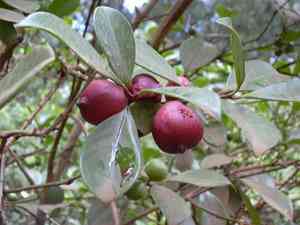
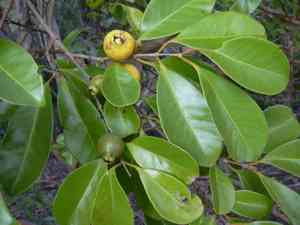
The plant can be identified by its glossy, dark green leaves, white flowers with multiple stamens, and red or yellow round fruits. The bark is smooth and light brown. The fruits are typically 2-4 cm in diameter and have a strawberry-like flavor.
Scientific Classification of Strawberry guava
Phylum
Vascular plants
Class
Dicotyledons
Order
Myrtales
Family
Myrtle
Genus
Guavas
Species
Strawberry guava
Planting and Growing of Strawberry guava
Care Difficulty
Easy
Watering Schedule
Every 3 days
Sunlight Requirements
Full sun
Sunshine Duration
4-8 hours
Ideal Temperature
68-86℉
Soil Type
Potting Mix, Peat Mix
Soil pH
6.5-7.5
Fertilizer Type
Balanced
Pruning Season
Spring, Summer
Pruning Area
Branches, Leaves
Pruning Frequency
2 times a year
Repotting Season
Spring
Pot Type
Terracotta, Plastic
 How to Water Strawberry guava?
When watering Psidium cattleianum, use approximately 500 ml of water. This amount should be enough to moisten the soil thoroughly without waterlogging it. Ensure the water penetrates the root zone, allowing the soil to dry slightly between waterings to mimic its natural habitat.
More About Watering Techniques→
What are the symptoms of an underwatered Strawberry guava?
›
What should I do if my Strawberry guava is not getting enough water?
›
What are the symptoms of an overwatered Strawberry guava?
›
How to save an overwatered Strawberry guava?
›
 What Are the Sunlight Requirements for Strawberry guava?
Psidium cattleianum benefits from full sun or partial sun, which promotes healthy foliage, robust growth, and abundant fruiting.
More About Sunlight Requirements Techniques→
What is the best type of sunlight?
›
How can I achieve ideal light conditions?
›
What benefits are there from optimal lighting?
›
 What Is the Ideal Temperature Range for Strawberry guava?
The ideal temperature range for cultivating Psidium cattleianum, commonly known as Cattley guava, is between 68°F and 86°F. Within this range, the plant can thrive and exhibit optimal growth and fruit production. Consistent temperatures help in ensuring that the plant's metabolic processes occur efficiently, promoting healthy foliage and abundant flowering.
 What Soil is Best for Strawberry guava?
Psidium cattleianum thrives in nutrient-rich soil, providing the essential elements for vigorous growth and fruit production. A fertile soil ensures the plant has adequate nitrogen, phosphorus, and potassium to support its overall health and vitality. This plant demands well-draining soil to prevent root rot. Proper drainage allows water to flow away from the roots, preventing the accumulation of excess moisture, which can lead to fungal diseases. The soil should retain moderate moisture levels, ensuring the plant receives steady water supply without becoming waterlogged. This balance promotes healthy root development and sustains the plant during dry spells.
More About Soil→
 How to Fertilize Strawberry guava?
For Psidium cattleianum, a balanced fertilizer such as a 10-10-10 or 12-12-12 is ideal. Use approximately 1/2 cup of granular fertilizer per plant spread evenly across the root zone four times a year for optimal growth.
More About Fertilizing Techniques→
 How to Prune Strawberry guava?
Before you start pruning Psidium cattleianum, it's essential to understand the natural growth habit of this plant. It tends to grow as a dense bush with thick foliage. Knowing this will help you make more informed decisions about where to cut to promote a healthier growth pattern and improve airflow and sunlight penetration. Utilize sharp and sanitized pruning shears to make clean cuts. This minimizes any potential damage to the plant and reduces the risk of infection from pathogens. Sharp tools also ensure that you have precise control, especially when dealing with the denser areas of foliage common in their natural growth habit. Begin by removing any damaged, dead, or diseased branches. This helps to prevent the spread of disease throughout the plant and directs the plant's energy to healthier growth. As you move through the bush, aim to trim back branches that are growing inwards towards the center to open up the structure. To maintain its shape and prevent the plant from becoming unwieldy, regularly prune back overly vigorous growth. The goal is to achieve a balanced yet natural appearance that encourages a strong framework for fruit bearing. Always step back and assess the shape from different angles during the process.
More About Pruning Techniques→
 How to Propagate Strawberry guava plant?
1
Collect ripe fruits from the plant and extract the seeds. Clean them thoroughly to remove any pulp and allow them to dry before planting.
2
Select healthy, semi-hardwood branches and cut them with pruning shears at an angle. Trim the leaves to reduce transpiration and place cuttings in water.
3
Plant the seeds or cuttings in well-draining soil in trays. Keep them moist and under indirect sunlight, ensuring they are protected from strong winds.
 How to Repot Strawberry guava plant?
1
Psidium cattleianum shows signs of needing repotting when you notice roots emerging from the drainage holes, or if you observe stunted growth. These are clear indicators that your plant is outgrowing its current pot. The best time to repot this plant is in spring or early summer, as it allows the plant to settle in before the active growing season.
2
Select a pot slightly larger than the current one, with adequate drainage holes. This ensures the roots have space to grow and prevents water logging, which can cause root rot. A pot that's too large may retain too much moisture, so it's essential to balance roominess with practicality.
3
Opt for a well-draining organic mix to prevent water stagnation and to supply the essential nutrients that Psidium cattleianum needs. The right soil structure aids in preventing root rot and supports healthy root development.



