How to Transplant Hog plum?
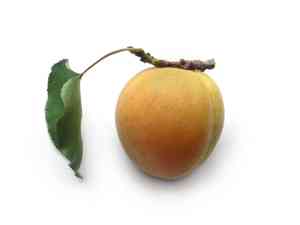
For the successful integration of hog plum, relocating it is most effective from early spring until late spring, since the mild climate assists in root formation. Select a site featuring adequately draining soil and exposure to either partial or full sunlight to foster vigorous development. A crucial tip: exercise caution when manipulating the roots to prevent shock, thereby promoting a thriving transplant.
Preparations Required Before Relocating Hog Plum
When is the Best Time to Move Hog Plum?
The most favorable period for relocating hog plum spans from the revitalizing phase of early spring through the thriving late spring season. During this interval, hog plum's root systems are optimally prepared to settle into new environments, with moderate temperatures and increasing daylight collectively promoting vigorous development. Transplanting hog plum at this time leverages the natural growth cycle of perennials, offering a supportive setting that encourages strong establishment and minimizes transplant stress. Furthermore, spring moisture aids in healthy root expansion, ensuring hog plum's successful adaptation to its new home. It's a harmonious and strategic moment to provide hog plum with a fresh start!
What Distance Should Be Maintained Between Hog Plum Plants?
To allow your hog plums ample room to thrive, position them 15-20 feet (4.5-6 meters) apart. This spacing guarantees sufficient area for them to develop broadly and healthily!
What is the Optimal Soil Blend for Transplanting Hog Plum?
Your hog plum will flourish in well-draining soil abundant in organic matter. Prior to transplanting, incorporate some compost or a balanced, slow-release fertilizer to give them an excellent beginning!
Where Should You Replant Your Hog Plum?
Select a sunny location for your hog plum, as they prefer full sunlight. A spot receiving at least 6 hours of direct sun daily will keep your hog plums content and flourishing!
Equipment Needed Before Transplanting Hog Plum
Gardening Gloves
To safeguard your hands while handling soil and plants.
Spade or Shovel
For excavating the plant and preparing the new planting site.
Watering Can or Hose
To moisten the soil for easier removal and to hydrate the plant post-transplant.
Wheelbarrow or Tarp
For safely moving the hog plum to its new spot.
Pruning Shears
To trim any damaged roots or branches before relocation.
Garden Fork
To aerate the soil and mix in compost or other amendments.
Mulch
To apply around the base of the hog plum after transplanting to conserve moisture and regulate soil temperature.
Measuring Tape
To verify the new hole's correct depth and width.
Stakes or Supports
To stabilize the hog plum if needed, following transplantation.
How to Extract Hog Plum from the Soil?
How to Extract Hog Plum from the Soil?
From Ground: First, hydrate the hog plum to moisten the soil, which reduces root stress. Then, carefully dig a wide circle around the plant with a spade or shovel, going deep enough to encompass the entire root ball. Gently pry the spade under the hog plum to loosen it from the ground and lift it with the soil attached.From Pot: Begin by watering the hog plum to make the soil and roots pliable for removal. Tilt the pot sideways and tap it to dislodge the root ball. Carefully pull the hog plum from the container, ensuring no damage to the stem or roots.From Seedling Tray: Dampen the tray to facilitate easier seedling removal. Use a spoon or a small tool to lift the hog plum from its compartment, making sure to extract the complete root system without leaving any behind.
Detailed Guide for Transplanting Hog Plum
Plant Extraction
Carefully remove the hog plum from its current spot, keeping the root ball intact and preserving as much of the root system as possible.
Prepare the New Location
Dig a hole in the ground that is twice as wide and the same depth as the root ball. Use a measuring tape to confirm the depth and width.
Inspect Roots
Examine the hog plum's root ball for any circling or girdling roots and straighten or prune them as necessary using pruning shears; this encourages the roots to spread into the surrounding soil.
Position the Plant
Place the hog plum in the center of the new hole. Ensure it stands upright, at the same depth it was previously growing.
Backfill the Hole
Fill the hole halfway with soil and water thoroughly to help settle the soil around the roots and eliminate air pockets. Finish filling the hole and gently firm the soil down.
Mulch and Support
Apply a layer of mulch around the hog plum to help retain soil moisture and regulate temperature. If the hog plum is tall or top-heavy, insert stakes around the plant and loosely tie them to the hog plum for support.
Water the hog plum
After the hog plum is in place and mulched, give it a good watering to further settle the soil and provide hydration to help it recover from transplant shock.
Continuous Observation
Monitor the hog plum's condition closely for the first few weeks, looking for signs of stress such as wilting, leaf discoloration, or stunted growth.
Post-Transplant Care for Hog Plum
Stabilization
Periodically check stakes or supports to ensure they are secure but not overly tight, allowing the hog plum to sway naturally with the wind, which promotes stronger stem growth.
Monitoring
Regularly inspect the hog plum for signs of pests or diseases. Early detection can prevent minor issues from escalating.
First Year Care
Understand that the hog plum may require a full growing season to become fully established. Be patient and provide consistent attention during the first year after transplanting.
Pruning
As the hog plum grows, prune any dead or damaged branches to encourage healthy new growth and maintain the plant's desired shape.
Resolving Common Issues During Hog Plum Transplantation
What depth should the hole be for transplanting hog plum?
The hole should be twice the root ball's width and equal in depth to ensure a successful start for hog plum.
When is the optimal time to transplant hog plum?
The best transplanting time is from early to late spring, promoting vigorous growth before summer heat.
What is the ideal spacing between hog plum when transplanting?
Space hog plum approximately 15-20 feet (4.5-6 meters) apart to allow ample room for growth.
How can I identify if hog plum is experiencing transplant shock?
Symptoms include wilting, yellowing leaves, and slowed growth. Keep soil moist and provide shade for recovery.
Should I prune hog plum during transplanting, and how much?
Light pruning of damaged or dead branches after transplanting helps hog plum prioritize root establishment.
How frequently should I water hog plum after transplanting?
Water hog plum every other day for the initial couple of weeks, then gradually reduce as it establishes.
Does hog plum require support after transplanting?
It's not typically necessary, but staking can protect hog plum from strong winds until its roots strengthen.
How should I prepare the soil for transplanting hog plum?
Incorporate well-aged compost to enrich the soil, which will support healthy growth of hog plum.
Can I transplant hog plum into a container, and what size is ideal?
Yes, ensure the container is sufficiently large to accommodate growth, starting at 20 inches (50 cm) in diameter.
What kind of aftercare does hog plum need post-transplant?
Monitor soil moisture, protect from pests, mulch to retain moisture, and avoid fertilizers until hog plum is established.



