How to Prune Hog plum?
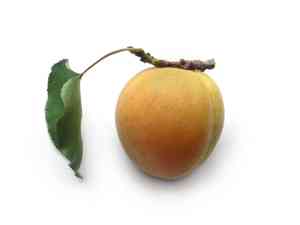
This leafy tree, recognized for its clustered growth and palatable produce, flourishes with consistent trimming. Appropriate methods for hog plum involve reducing dense limbs, cutting back to foster a more compact form, and eliminating basal shoots or lifeless timber. The ideal period for pruning is from late winter to early spring, aligning with its inactive phase and preparation for fresh development. Trimming improves light access and air movement, leading to more robust fruit yield and lowering the chance of illness in hog plum.
What Are the Benefits of Pruning Hog Plum?
What Are the Benefits of Pruning Hog Plum?
Trimming hog plum promotes robust development and helps maintain its desired form. It is crucial for eliminating dead or crowded limbs, enhancing air circulation and light penetration, which supports the plant's overall vitality and yield.
What Is the Best Time for Pruning Hog Plum?
What Is the Best Time for Pruning Hog Plum?
Pruning hog plum in late winter or early spring is optimal as this period precedes the start of the new growth phase, enabling the plant to direct its energy towards developing fresh, healthy shoots. During late winter, hog plum is typically dormant, reducing plant stress and minimizing the risk of disease transmission via pruning cuts. Early spring pruning also proves advantageous by boosting flower and fruit production through the removal of dead or competing branches, thereby improving sunlight exposure and air movement. This timing also permits pruning wounds to heal before the warmer, more humid conditions of late spring and summer, which can accelerate disease spread. It is vital to prune hog plum after the coldest part of winter has passed to prevent cold damage at the cut sites but before spring growth commences, to ensure vigorous growth and a strong flowering or fruiting season.
What Tools Do I Need to Prune Hog Plum?
Hand Pruners
Perfect for making precise cuts on smaller hog plum branches, ensuring healthy regrowth and maintaining the plant's shape.
Loppers
Suitable for cutting thicker branches that hand pruners cannot manage, offering good leverage and reach for hog plum's medium-sized limbs.
Pruning Saw
Essential for safely removing the largest hog plum branches when loppers are insufficient, without harming the rest of the plant.
Hedge Shears
Useful for shaping and trimming hog plum's denser foliage, allowing control over its aesthetic appearance.
Pole Pruner
Helpful for reaching higher hog plum branches without needing a ladder, increasing safety during pruning tasks.
How to Prune Hog Plum
Clean Tools
Sanitize all pruning tools to prevent disease spread to hog plum or other plants. Use a solution of one part bleach to nine parts water or rubbing alcohol to clean blades before and after pruning.
Cut Dead Branches
Identify and remove dead hog plum branches by cutting just beyond where dead tissue ends and healthy tissue begins. Use sharp bypass pruners or a pruning saw, depending on branch thickness.
Eliminate Diseased Branches
Inspect hog plum for disease signs, such as discolored leaves or bark, and remove any diseased branches. Make cuts into healthy wood well below infected sections to ensure complete removal of diseased tissue.
Smooth Cuts
Ensure all cuts on hog plum are smooth and clean without jagged edges, which can encourage disease and pest infestation. Use the appropriate tool for the branch size to maintain a clean cut.
Dispose Trimmed Material
Properly dispose of all removed hog plum material, especially diseased branches, by burning or bagging them. Do not compost diseased material, as this can spread pathogens.
Common Pruning Mistakes with Hog Plum
Over-Pruning
Removing too much of the canopy at once can stress hog plum, leading to reduced vigor and potential dieback.
Improper Cut Location
Cuts made too far from a bud, branch, or the trunk can leave stubs more susceptible to pests and diseases. Conversely, cutting too close can damage growth nodes and inhibit new growth.
Using Dull Tools
Dull pruning tools can damage hog plum branches, leading to ragged cuts that heal poorly and invite disease.
Ignoring Disease Control
Failing to disinfect tools between cuts, especially when cutting diseased wood, can spread pathogens throughout hog plum.
Pruning Healthy Wood Indiscriminately
Randomly cutting healthy branches without understanding hog plum's growth pattern can lead to a loss of flowers and fruit.
Common Pruning Tips for Hog Plum
Selective Pruning
Focus on removing only diseased, damaged, or dead wood; thus encouraging healthy growth and airflow without over-stressing hog plum.
Cut Angle
Make angled cuts just above a bud or branch junction to promote effective water runoff and quick healing.
Tool Maintenance
Ensure pruning tools are sharp, clean, and appropriate for the branch size being removed to create healthy cuts and reduce damage to hog plum.
Cut Healing
Allow natural healing over applying wound dressings; hog plum typically heals better without the application of wound sealants.
Regular Monitoring
Regularly inspect hog plum for pruning needs, rather than waiting for an annual pruning event. This steady attention prevents over-pruning and allows for timely intervention.



