How to Propagate Hog plum?
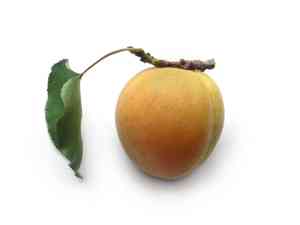
For successful hog plum propagation, stem sections are a superb choice. Select robust, semi-woody portions from the present or previous year's development. Confirm that each cutting possesses a minimum of several nodes and measures multiple inches in length. A rooting stimulant can boost successful establishment prior to inserting them into a porous cultivation substrate. Elevated atmospheric moisture and diffused illumination aid root formation. Steady hydration is vital, yet prevent excessive saturation. Given proper attention, the cuttings will develop a robust root structure, resulting in a thriving new hog plum.
When Is the Best Time to Propagate Hog Plum?
Propagation Method
Cutting
Propagation Period
Autumn,Winter
What Tools Are Needed for Hog Plum Propagation?
Rooting hormone
A rooting hormone is crucial for boosting the success rate of hog plum cuttings. It promotes root development from the cut end, which is vital for the successful establishment of the propagated plant. Applying rooting hormone directly to the fresh cut base before planting aids in faster, stronger root formation, ensuring the health and viability of hog plum.
Pruning shears
Pruning shears are utilized for taking cuttings from hog plum. They must be sharp and clean to ensure a precise cut that doesn't harm the plant's vascular system. A clean cut helps prevent disease entry and ensures healthy cuttings. Pruning shears also allow for accurate selection of healthy plant parts for propagation, influencing cutting success.
Plant pots
Plant pots are necessary to house each hog plum cutting during its rooting phase. Pots should feature adequate drainage holes to allow excess water to escape, which is critical for preventing root rot. Using the correct pot size encourages healthy root development without overcrowding, promoting better growth as the plant matures.
Potting mix
A sterile, well-draining potting mix is essential for hog plum cuttings to root successfully. The mix should be light and airy to allow tender new roots to easily penetrate, facilitating better root development and reducing the risk of root diseases. This supports the overall health and viability of the new plants.
Misting bottle
A misting bottle is employed to gently water hog plum cuttings, ensuring the moisture level in the propagation medium is maintained without becoming overly saturated. Regular misting helps keep humidity high around the cutting, which is important for preventing leaves from drying out before roots establish.
How to Propagate Hog Plum?
Propagation Difficulty
Moderately Difficult
How to Care for Your Newly Propagated Hog Plum?
How to Care for Your Newly Propagated Hog Plum?
Once roots have formed and new growth is visible, gradually introduce hog plum to less humid conditions by removing the cover for increasing durations over a week. Transplant hog plum to a larger container or a suitable outdoor spot, ensuring it receives full to partial sunlight. Water consistently, but allow the soil to dry slightly between waterings. Monitor for pests and diseases, treating as needed to prevent infestations.
Common Mistakes to Avoid When Propagating Hog Plum
Incorrect cutting size
Selecting cuttings that are either too small or too large can hinder root development. Ideally, cuttings should be of a moderate size, typically around 6 to 8 inches long, ensuring they possess the necessary reserves to support root growth and survival. Smaller cuttings might lack energy reserves, while larger ones may decay before rooting.
Excessive watering
Providing too much water can lead to root rot and fungal infections, decreasing the survival rate of propagated hog plum. It's crucial to maintain moist but not waterlogged soil conditions to encourage healthy root growth without compromising the plant’s structure and health.
Neglecting pest control
Failing to manage pests during the initial stages of propagation can result in weakened or destroyed young plants. Pests such as aphids and spider mites can stress hog plum, making it less likely to establish and grow healthily.
Tips For Propagating Hog Plum
Application of rooting hormones
Using rooting hormones can significantly boost the chances of successful root development in cuttings. These hormones stimulate root growth and improve the overall rooting percentage, providing a healthier start for hog plum.
Selecting the appropriate substrate
It is vital to use a well-draining and nutrient-rich substrate to support the initial growth phases of hog plum. A mix of peat, perlite, and vermiculite usually offers an ideal environment for root development, ensuring that the medium stays aerated and moist.
Optimal moisture levels
Maintaining the correct moisture levels in the soil is crucial for the successful propagation of hog plum. The soil should be kept consistently moist but not waterlogged. Using a spray bottle for gentle watering can help manage moisture levels without oversaturating the soil.



