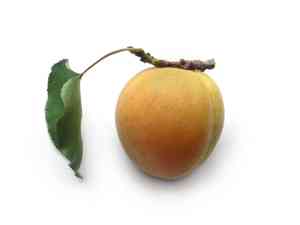
Hog plum (Prunus umbellata)
Also known as: Flatwoods plum
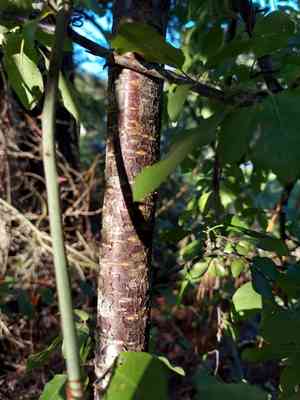
The hog plum tree (Spondias mombin) is a medium-to-large deciduous tree that stands out with its broad, spreading canopy and pinnate leaves. It blooms with small, yellowish-white flowers that eventually produce oval, yellow to orange fruits known for their tart flavor and a large central pit. This tree's bark is smooth and gray, adding a unique texture to its appearance.
Hog plum trees flourish in tropical and subtropical climates, favoring well-drained soils and full sun exposure. They are well-suited to regions with consistent rainfall but can also endure short dry spells, making them adaptable to a variety of growing conditions.
In This Article
Attributes of Hog plum
Lifespan
Perennial
Plant Type
Tree
Plant Height
3.5 m to 6 m
Spread
3.5 m to 6 m
Leaf Color
Green
Flower Size
0.5 inches (1.3 cm)
Flower Color
White
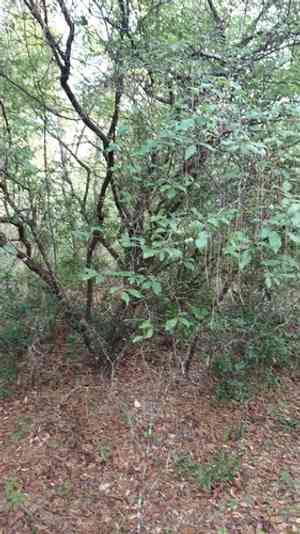
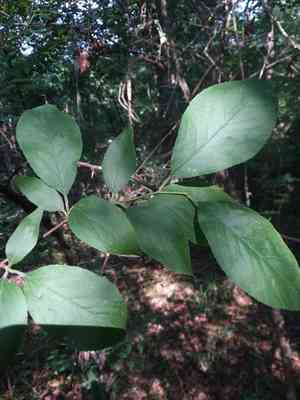
Images of Hog plum
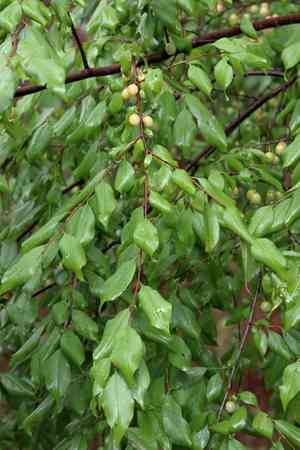
Quickly Identify Hog plum
1
Compact, dense crown and short trunk up to 20 feet (6 meters) tall.
2
Deciduous leaves and textured bark with moderate drought tolerance.
3
Rounded umbels of small, white to cream flowers, approximately 0.4 inches (1 cm) in diameter.
4
Shiny, deep black, slightly oblong fruit with a smooth surface and central pit.
5
Fruits grow in clusters, aiding in identification during late summer months.
Scientific Classification of Hog plum
Phylum
Vascular plants
Class
Dicotyledons
Order
Rosales
Family
Rose
Genus
Prunus
Species
Hog plum
Planting and Growing of Hog plum
Care Difficulty
Easy
Watering Schedule
Every 2 days
Sunlight Requirements
Full sun
Sunshine Duration
4-8 hours
Ideal Temperature
60-75℉
Soil Type
Potting Mix, Peat Mix
Soil pH
6.5-7.5
Fertilizer Type
Balanced
Pruning Season
Spring, Summer
Pruning Area
Branches, Leaves
Pruning Frequency
2 times a year
Repotting Season
Spring
Pot Type
Plastic, Ceramic
 How to Water Hog plum?
For Prunus umbellata, when watering, ensure the soil is thoroughly soaked but not waterlogged. Use around 1500 milliliters of water each time, enough to moisten the soil deeply while allowing excess to drain away. This mimics the natural watering cycle in its native environment.
What are the symptoms of an underwatered Hog plum?
›
What should I do if my Hog plum is not getting enough water?
›
What are the symptoms of an overwatered Hog plum?
›
How to save an overwatered Hog plum?
›
 What Are the Sunlight Requirements for Hog plum?
Prunus umbellata ideally requires between 6 to 8 hours of sunlight daily. When exposed to this light range, it exhibits robust growth, increased flowering, and fruit production.
Getting Enough Sunlight
›
Adjusting for Partial Sun
›
Sun Positioning Strategy
›
 What Is the Ideal Temperature Range for Hog plum?
The ideal temperature range for Prunus umbellata to thrive is between 60°F and 75°F. This range provides optimal conditions for metabolic processes, ensuring healthy growth and fruit production. At these temperatures, the plant's physiological and biochemical functions operate efficiently, promoting a robust development.
 What Soil is Best for Hog plum?
Prunus umbellata thrives in nutrient-rich soils that supply essential minerals for growth. Rich soil enhances flowering and fruiting, giving the plant its characteristic charm. Good drainage is crucial to prevent root rot in Prunus umbellata. Well-drained soils help maintain the perfect moisture balance, promoting healthy root development. Prunus umbellata prefers slightly moist soil conditions. Consistent moisture supports vigorous growth and prevents stress-related issues in the plant.
 How to Fertilize Hog plum?
For Prunus umbellata, use a balanced fertilizer with a 10-10-10 NPK ratio. Apply liquid fertilizer at the recommended rate of 1 tablespoon per gallon of water, ensuring you cover the root zone evenly. For slow-release pellets, incorporate them into the soil at a rate of 1 pound per 100 square feet after the plant starts showing new growth in spring.
 How to Prune Hog plum?
Begin by assessing the overall structure of your Prunus umbellata. Identify any dead, diseased, or damaged branches and remove them using clean, sharp pruning shears. Focus on opening up the center by cutting back crossing branches to enhance airflow. Make cuts at a 45-degree angle just above a bud to encourage outward growth. Always step back to check the symmetry and shape of the plant periodically during pruning.
More About Pruning Techniques→
 How to Propagate Hog plum plant?
1
Collect seeds from ripe fruits of Prunus umbellata. Clean and dry them thoroughly. Some seeds may require stratification, a period of cold treatment, to break dormancy and promote successful germination.
2
Choose healthy, semi-hardwood stems from the parent plant. The stem should be disease-free and have a few sets of leaves. Cut the stem at an angle to increase the surface area for rooting.
3
When grafting, select a compatible rootstock and scion. Make precise cuts on both and join them firmly using grafting tape. This method is often used to combine desirable traits of different Prunus varieties.
 How to Repot Hog plum plant?
1
Prunus umbellata needs repotting when it shows signs of being root-bound, such as roots growing out of the drainage holes or visible stress from being crowded. Spring and Autumn are ideal, as the plant is not experiencing extreme weather conditions during these times, allowing it to adjust to its new pot comfortably.
2
Selecting a pot for Prunus umbellata involves ensuring it is slightly larger than its current one, facilitating growth while preventing excessive water retention. Opt for pots with drainage holes to avoid root rot, and go with materials like terracotta, which naturally allows for good aeration, promoting healthier root systems.
3
Utilize well-draining sandy soil that mimics the natural habitat of Prunus umbellata. This type of soil mix ensures proper aeration and prevents water logging, fostering robust root development and minimizing the risk of fungal diseases.
Toxicity
Ingestion
WARNING
The judgment on toxicity and danger is for reference only. We DO NOT GUARANTEE any accuracy of such judgment. Therefore, you SHALL NOT rely on such judgment. It is IMPORTANT TO SEEK PROFESSIONAL ADVICE in advance when necessary.



