How to Transplant Cut leaved self heal?
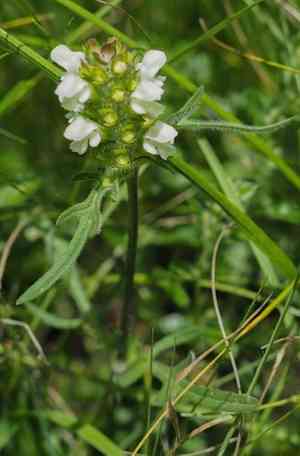
Relocating cut leaved self heal from late spring's warmth through mid-summer provides the best conditions for root development. Select a location that receives partial sunlight and has soil that drains effectively. Carefully managing the roots during the move promotes vigorous growth.
What Preparations are Needed Before Transplanting Cut Leaved Self Heal?
What is the Ideal Time for Transplanting Cut Leaved Self Heal?
The perfect time for moving cut leaved self heal is during its active growth phase, specifically from the warmth of spring after the last frost until mid-summer. Relocating cut leaved self heal within this period of vigorous growth reduces stress, promotes strong root development, and aligns with the plant's natural cycle, leading to a healthy, thriving recovery. Your plants will flourish with timely relocation!
How Much Space Should You Leave Between Cut Leaved Self Heal Plants?
When rehousing cut leaved self heal in your garden, it's wise to provide them with adequate room. Aim for a spacing of approximately 6-12 inches (15-30 cm). This ensures sufficient area for them to thrive without competing for essential nutrients.
What is the Best Soil Mix for Cut Leaved Self Heal Transplanting?
For cut leaved self heal, proper groundwork is crucial! Begin with fertile, well-draining soil. Incorporating organic compost will provide a beneficial boost. Before planting, mix in a balanced, slow-release fertilizer to nourish your cut leaved self heal as they develop.
Where Should You Relocate Your Cut Leaved Self Heal?
Your cut leaved self heal enjoys soaking up the sun but appreciates some afternoon shade. Select a location that receives ample morning sunlight and partial shade later in the day. This light combination ensures your plant's vibrancy and well-being!
What Equipments Should You Prepare Before Transplantation Cut Leaved Self Heal?
Gardening Gloves
To safeguard your hands while digging and handling the cut leaved self heal.
Shovel or Spade
For excavating around and beneath the plant to extract it with its root ball intact.
Watering Can or Hose
To pre-moisten the plant before removal and to irrigate after transplanting.
Wheelbarrow or Garden Cart
To transport the cut leaved self heal from its original spot to the new transplant location.
Measuring Tape
To determine the appropriate depth and width when preparing the new planting hole.
How Do You Remove Cut Leaved Self Heal from the Soil?
How Do You Remove Cut Leaved Self Heal from the Soil?
From Ground: First, water the cut leaved self heal to moisten the soil and minimize root damage. Use a shovel or spade to dig a wide trench around the plant, being careful to keep the root ball undisturbed. Gently insert the spade under the root ball and lift the plant from the ground.From Pot: Start by watering the cut leaved self heal. Turn the pot on its side, hold the plant by its base, and tap the bottom to loosen it. Carefully ease the plant out, ensuring the root ball remains intact.From Seedling Tray: Water the tray to ensure the soil is damp, which will assist in the easy removal of the cut leaved self heal. Use a spoon or dibber to gently lift each plant from its cell, keeping the roots and surrounding soil together.
Step-by-Step Guide for Transplanting Cut Leaved Self Heal
Preparation
Ensure all necessary tools are ready. Hydrate the cut leaved self heal in its current spot before removal.
Removal
Depending on the cut leaved self heal's original location (ground, pot, or seedling tray), carefully remove the plant to prevent root damage.
Hole Preparation
At the new site, dig a hole twice as wide and the same depth as the cut leaved self heal's root ball using a shovel or spade.
Placing the Plant
Center the cut leaved self heal in the new hole. The top of the root ball should be level with the surrounding ground. Gently backfill the hole and firm the soil to eliminate air pockets.
Final Watering
Water the cut leaved self heal generously after planting to settle the soil and hydrate the roots, without overwatering.
Supports and Protection
If needed, add plant supports like stakes to help the cut leaved self heal stay upright and shield it from strong winds.
How Do You Care For Cut Leaved Self Heal After Transplanting?
Regular Watering
Ensure the cut leaved self heal receives consistent watering to maintain uniformly moist soil as it establishes.
Mulching
Apply organic mulch around, but not touching the stem of the cut leaved self heal, to retain moisture and regulate soil temperature.
Support
Check and adjust any supports or protective measures to ensure the cut leaved self heal is shielded from strong winds or heavy rains.
Observation
Monitor the cut leaved self heal for signs of stress or disease. New growth indicates a successful transplant.
Troubleshooting Common Issues with Cut Leaved Self Heal Transplantation.
What's the ideal time to transplant cut leaved self heal?
Transplant cut leaved self heal during late spring to early summer, when the weather is mild and consistent.
How far apart should I space cut leaved self heal when transplanting?
Space cut leaved self heal approximately 6-12 inches (15-30 cm) apart to ensure proper growth and air circulation.
Can cut leaved self heal be transplanted on a hot day?
It's best to transplant cut leaved self heal on a cooler, overcast day to minimize stress and prevent wilting.
Why are my transplanted cut leaved self heal wilting?
Wilting after transplanting is common; ensure adequate water, avoid direct sun, and protect from strong winds initially.
How deep should I plant cut leaved self heal root balls?
The root ball should be planted at the same depth it grew previously, ensuring roots are fully covered.
What type of soil is best for transplanting cut leaved self heal?
Use well-draining soil rich in organic matter to provide a nourishing environment for cut leaved self heal's roots.
How much should I water cut leaved self heal after transplanting?
Water generously immediately after transplanting, then maintain consistent moisture without saturating the soil.
Should I use fertilizer when transplanting cut leaved self heal?
Wait a few weeks before adding slow-release fertilizer to allow cut leaved self heal roots to establish in their new location.
How can I protect cut leaved self heal after transplanting?
Shield cut leaved self heal from harsh elements such as strong winds or intense sunlight while they acclimate.
When will cut leaved self heal recover from transplant shock?
Recovery from transplant shock varies; with proper care, cut leaved self heal should show new growth within a few weeks.



