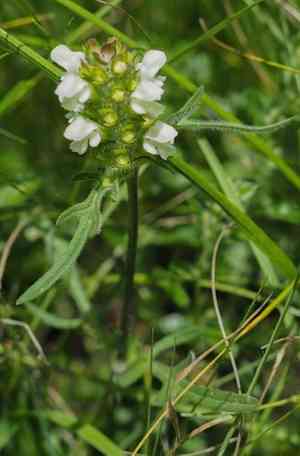
Cut leaved self heal (Prunella laciniata)
Also known as: White selfheal
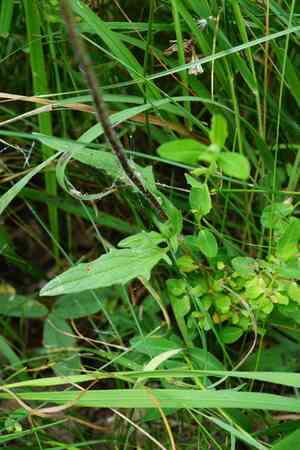
Perennial herbaceous plants often have a well-developed, densely rooted basal structure. The stems, which can range from 5 to 30 cm in height, tend to be upright or ascending and are frequently branched. Both the stems and foliage, including leaves, bracts, and calyxes, are commonly covered with a layer of fine, white, somewhat frizzy hairs. These characteristics help the plant survive and regrow each season, with the foliage playing a crucial role in photosynthesis and overall plant health.
In This Article
Attributes of Cut leaved self heal
Lifespan
Perennial
Plant Type
Herb
Plant Height
30 cm
Spread
1 m
Leaf Color
Green
Flower Size
1 cm to 1.5 cm
Flower Color
White Purple
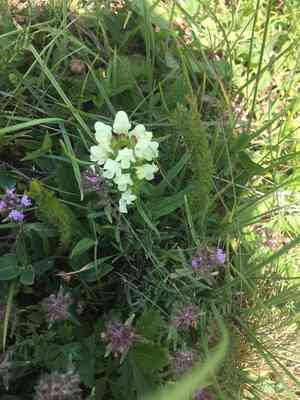
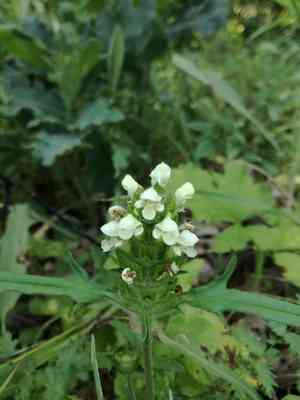
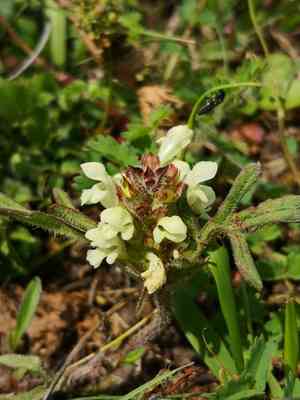
Images of Cut leaved self heal
Quickly Identify Cut leaved self heal
1
To identify Prunella laciniata, look for its deeply lobed leaves and clusters of small, tubular flowers that are often pale purple or white. The plant usually grows low to the ground with a prostrate or ascending habit.
Scientific Classification of Cut leaved self heal
Phylum
Vascular plants
Class
Dicotyledons
Order
Lamiales
Family
Mint
Genus
Selfheals
Species
Cut leaved self heal
Planting and Growing of Cut leaved self heal
Care Difficulty
Easy
Watering Schedule
Every 4 days
Sunlight Requirements
Partial sun
Sunshine Duration
4-8 hours
Ideal Temperature
60-70℉
Soil Type
Potting Mix, Peat Mix
Soil pH
6.5-7.5
Fertilizer Type
Balanced
Pruning Season
Spring, Summer
Pruning Area
Branches, Leaves
Pruning Frequency
2 times a year
Repotting Season
Spring
Pot Type
Ceramic, Plastic
 How to Water Cut leaved self heal?
For Prunella laciniata, the watering should be thorough, ensuring that the soil is evenly moist without being waterlogged. The ideal amount is around 200 ml per watering session, striking a balance to keep the substrate damp while allowing excess water to drain away.
What are the symptoms of an underwatered Cut leaved self heal?
›
What should I do if my Cut leaved self heal is not getting enough water?
›
What are the symptoms of an overwatered Cut leaved self heal?
›
How to save an overwatered Cut leaved self heal?
›
 What Are the Sunlight Requirements for Cut leaved self heal?
Partial sun with dappled light provides excellent conditions for Prunella laciniata. Under these conditions, the plant achieves healthier foliage and more robust flowering.
What is the ideal light condition for Prunella laciniata?
›
How can one achieve the ideal light conditions?
›
What are the benefits of ideal lighting for Prunella laciniata?
›
 What Is the Ideal Temperature Range for Cut leaved self heal?
For the healthy growth of Prunella laciniata, it is essential to maintain an ideal temperature range between 60°F and 70°F. This range provides optimal conditions for photosynthesis and nutrient uptake, ensuring robust growth and vibrant blooms. Temperatures within this range support cellular functions without causing stress, helping the plant to thrive in full sun to partial shade environments.
 What Soil is Best for Cut leaved self heal?
Prunella laciniata thrives in well-drained soils where water does not stagnate. Proper drainage ensures that its roots are not waterlogged, preventing rot and promoting healthy root growth. This plant benefits from soil rich in organic matter, which provides essential nutrients for growth and flowering. Organic matter enhances soil structure and fertility, giving the plant a boost in vitality. The plant requires soil with moderate moisture retention, ensuring that it has access to water without the risk of oversaturation. Consistent moisture supports steady plant development and vibrant blooms.
 How to Fertilize Cut leaved self heal?
For Prunella laciniata, the amount of fertilizer used should be moderate. A monthly application of liquid fertilizer at half the recommended dose (about 1 tablespoon per gallon of water) is ideal. Over-fertilizing can lead to lush foliage but fewer flowers, making balance essential.
 How to Prune Cut leaved self heal?
Start by removing dead or damaged stems to promote healthy growth. Trim back leggy stems to encourage a bushier appearance. Aim to cut just above a leaf node to prevent die-back. Consistent pruning will help maintain its compact form and encourage vibrant flowers. Cut back stems by about one-third after the first major flowering phase to stimulate additional blooms. This interval pruning not only helps produce more flowers but also prevents the plant from becoming too woody at the base.
More About Pruning Techniques→
 How to Propagate Cut leaved self heal plant?
1
Before sowing seeds, prepare seedbeds with well-draining soil rich in organic matter. Ensure the soil is slightly moisture-retentive, which promotes seed germination by providing the necessary conditions for growth.
2
Select healthy, non-flowering stems and cut them to approximately 4-6 inches. Remove any lower leaves to reduce moisture loss and dip the cut end in rooting hormone to enhance root growth.
3
In early spring, dig up mature Prunella laciniata plants and carefully separate the roots into smaller sections. Ensure each division has sufficient roots and shoots to thrive independently.
 How to Repot Cut leaved self heal plant?
1
You should consider repotting Prunella laciniata when roots start to overgrow the pot or the plant's growth seems stunted. These are indicators the plant has outgrown its current home and needs more space to thrive.
2
Choose a pot that is one or two sizes larger than the current one. Ensure it has proper drainage holes to prevent waterlogging. A slightly bigger pot fosters healthy root expansion, providing the plant with adequate room to grow.
3
Opt for a well-draining loam mix that contains some organic matter. This combination retains enough moisture for root health without causing the detrimental effects of water stagnation, fostering a balanced growth environment.



