The Cut leaved self heal Plant Advantage: Maximizing Home and Office Appeal and Wellness
1
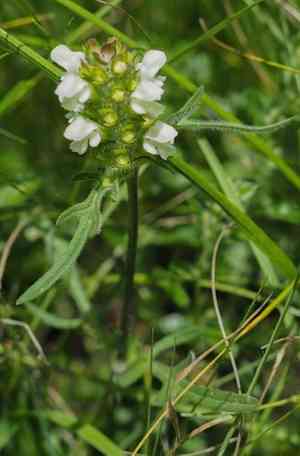
Cut-leaved self heal serves as superb ground cover, thanks to its thick, spreading growth pattern.
2
The plant features appealing, deeply divided foliage, which enhances the visual appeal of any garden space.
3
It draws in helpful pollinators such as bees and butterflies, thereby boosting your garden's ecological variety.
Why is Cut-leaved Self-Heal So Popular in Gardens?
Exceptional Ground Cover
A key attribute of Cut-leaved Self-Heal is its superb capability as a ground cover. Its dense, spreading growth habit forms a lush carpet, which aids in weed suppression and moisture retention in the soil. This makes it an ideal selection for gardeners aiming to reduce weeding and watering efforts.
Visual Appeal
The deeply lobed foliage of Cut-leaved Self-Heal introduces unique texture and visual interest to any garden space. The leaves' intricate patterns and vibrant green tones make it a striking feature for borders, rockeries, and even container plantings. Its low-growing characteristic also makes it perfect for creating visual layers in garden designs.
How Does Cut-leaved Self-Heal Benefit Pollinators?
Attracting Beneficial Insects
Cut-leaved Self-Heal acts as a magnet for pollinators like bees and butterflies. The plant's blossoms are rich in nectar, offering a valuable food source for these helpful insects. By including Cut-leaved Self-Heal in your garden, you not only enhance its beauty but also support the local ecosystem.
Boosting Biodiversity
By drawing in various pollinators, Cut-leaved Self-Heal plays a vital role in increasing garden biodiversity. A diverse array of pollinators ensures that other plants in your garden are effectively fertilized, leading to improved fruit and seed production. This, in turn, fosters a more resilient garden environment.
What Are the Growth Requirements for Cut-leaved Self-Heal?
Soil and Sunlight Needs
Cut-leaved Self-Heal is quite adaptable but flourishes best in well-drained soil with moderate moisture. It prefers full sun to partial shade, making it versatile enough for various garden locations. Ensuring these fundamental conditions will help the plant thrive and provide maximum advantages.
Care Guidelines
One of the benefits of Cut-leaved Self-Heal is its minimal maintenance demands. Regular watering during dry periods and occasional trimming to manage its spread are typically sufficient. It also benefits from a light layer of mulch to conserve moisture and enhance soil quality.
Unique Uses for Cut-leaved Self-Heal in Landscaping
Rock Gardens and Edging
Given its low-growing and spreading nature, Cut-leaved Self-Heal is excellent for rock gardens and as an edging plant along paths. Its capacity to grow in crevices and over rocks makes it a versatile option for adding greenery to less hospitable garden areas.
Companion Planting
Cut-leaved Self-Heal also serves as an outstanding companion plant. It pairs well with taller perennials and shrubs, helping to fill in gaps and provide an attractive underlayer. Its presence can also help deter pests from more vulnerable plants, fostering a healthier garden ecosystem.



