How to Prune Cut leaved self heal?
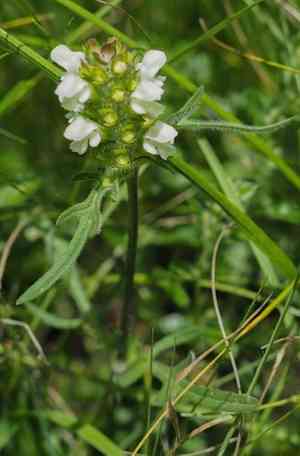
A perennial herb, cut leaved self heal is distinguished by its toothed leaves and purple blossoms. Trim spent or withered flowers during spring and summer to stimulate fresh development and prolong the flowering period. Reduce the foliage after blooming to preserve a dense shape. Trimming during periods of active development assists in robust revitalization and fosters an abundance of new leaves. Consistent removal of spent blooms also deters self-propagation if the dispersal of seeds is not wanted.
Advantages of Trimming Cut Leaved Self Heal
Advantages of Trimming Cut Leaved Self Heal
Trimming cut leaved self heal promotes robust development and maintains its desired shape. Eliminating dead or overgrown stalks enhances air circulation, lowering pest and disease risk while fostering a more vigorous and attractive plant.
Optimal Time for Pruning Cut Leaved Self Heal
Optimal Time for Pruning Cut Leaved Self Heal
Pruning cut leaved self heal in late spring coincides with the end of its dormant phase. This timing allows gardeners to remove any winter damage before the new growth cycle begins, encouraging healthy foliage. Early to mid-summer pruning ensures that the active growth period is not interrupted, and if cut leaved self heal has already flowered in late spring, it can stimulate a second bloom cycle and maintain the plant's form and vitality. Pruning during these seasons facilitates quick healing, minimizes stress, and can boost the plant's overall health, as it aligns with its natural growth spurts.
Tools Required for Pruning Cut Leaved Self Heal
Bypass Hand Pruners
These pruners create clean cuts and are perfect for snipping through the tender stems of cut leaved self heal without harming the plant tissue.
Gardening Shears
For shaping and maintaining the form of cut leaved self heal, gardening shears offer precise control and are less likely to crush plant stems than anvil-style pruners.
Pruning Snips
These are ideal for deadheading and minor shaping of cut leaved self heal, allowing the gardener to access dense foliage without damaging adjacent stems or leaves.
How to Prune Cut Leaved Self Heal
Sanitize tools
Before pruning cut leaved self heal, ensure all pruning tools are clean and sharp to prevent disease transmission and make precise cuts.
Remove diseased foliage
Identify and carefully remove any diseased leaves from cut leaved self heal by cutting them at the base where they connect to the stem or main branch, using clean secateurs or scissors.
Trim withered foliage
Trim off withered leaves from cut leaved self heal to maintain healthy growth and appearance. Make cuts close to the base of each leaf to encourage new foliage without leaving stubs that could rot.
Prune diseased branches
Cut back any diseased stems from cut leaved self heal to the nearest healthy growth or main stem, ensuring the cut is just above a leaf node or bud to promote recovery and new branching.
Discard trimmed parts
Dispose of all trimmed diseased parts from cut leaved self heal appropriately, and avoid composting them to prevent the spread of any pathogens within the garden.
Common Pruning Errors with Cut Leaved Self Heal
Excessive pruning
Removing too much foliage at once can stress cut leaved self heal and potentially lead to its decline.
Cutting too close
Pruning too close to the main stems or crown of cut leaved self heal can cause unnecessary wounds and make the plant vulnerable to disease.
Neglecting dead or diseased material
Failing to remove dead or diseased stems can hinder cut leaved self heal's growth and spread pathogens within the plant.
Ignoring plant shape
Unintentional shaping or not considering the natural growth pattern of cut leaved self heal can result in an aesthetically unpleasing plant and impede its development.
Using unsanitized tools
Pruning with unclean tools can introduce diseases to cut leaved self heal, as they can carry pathogens from previously pruned plants.
General Pruning Advice for Cut Leaved Self Heal
Sharp implements
Use sharp, clean pruning shears or scissors to make clean cuts that will heal quickly, minimizing stress to cut leaved self heal.
Careful thinning
Thin out crowded areas to improve air circulation and sunlight exposure, which promotes healthy growth and reduces the risk of disease in cut leaved self heal.
Deadheading
Regularly remove spent blooms to encourage cut leaved self heal to produce more flowers throughout the growing season.
Shape maintenance
Trim cut leaved self heal to maintain its natural shape and size, being careful not to over prune or alter its inherent form.
Post-pruning care
Provide cut leaved self heal with adequate water and possibly a light feed after pruning to support recovery and new growth.



