How to Transplant Doubleclaw?
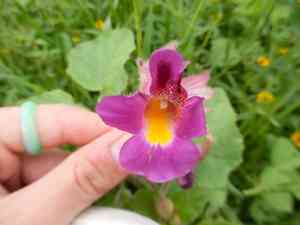
The optimal period for transplanting doubleclaw spans from the onset of mid-spring through the lively days of late spring, facilitating its successful establishment. Select a location bathed in sunlight featuring soil that drains effectively to satisfy doubleclaw's requirements.
Essential Preparations Before Relocating Doubleclaw
Optimal Period for Moving Doubleclaw
The perfect time to move doubleclaw is during the warmth of late spring. This period offers consistent soil temperatures and minimal frost risk, allowing doubleclaw roots to establish quickly. Moving doubleclaw at this point maximizes growth potential, utilizing longer days and milder nights crucial for development. Transplanting now promotes robust, thriving doubleclaw, as the gentle conditions lessen transplant shock, aiding their successful journey.
Recommended Spacing Between Doubleclaw Plants
When preparing to move your doubleclaw, aim to position each plant approximately 18-24 inches (45-60 cm) apart. This provides sufficient room for development while enabling mutual support.
Ideal Soil Mixture for Doubleclaw Relocation
Prepare a site with soil that drains well and is rich in organic material. Before planting your doubleclaw, incorporate a balanced, slow-release fertilizer to give your plants an excellent start.
Selecting a New Location for Your Doubleclaw
Choose a sunny spot where your doubleclaw will receive ample light, ideally six or more hours daily. This will help your plants thrive and produce their characteristic blooms and pods.
Equipment Needed Before Transplanting Doubleclaw
Gardening Gloves
To safeguard your hands while handling soil and plants.
Trowel
For digging and moving the doubleclaw plant from its container.
Spade or Shovel
To excavate the hole for planting the doubleclaw into the ground.
Pruners
To carefully trim any damaged roots or foliage.
Watering Can or Hose
To hydrate the doubleclaw before and after its relocation.
Wheelbarrow
Useful for transporting soil or compost to the planting site.
Method for Extracting Doubleclaw from the Soil
Method for Extracting Doubleclaw from the Soil
From Ground: First, water the doubleclaw plant to moisten the soil. Next, dig a wide trench around the plant using a shovel or spade, ensuring the plant's root ball remains intact. Carefully work the spade beneath the root ball to lift the plant from its original spot.From Pot: Water the doubleclaw thoroughly beforehand. Gently tilt the pot sideways and tap the bottom to help loosen the root ball. Carefully slide the plant out, keeping as much soil around the roots as possible.From Seedling Tray: Moisten the soil first to facilitate removal. Use a trowel or your fingers to gently lift the doubleclaw seedling, taking care not to harm the root system.
Detailed Guide for Transplanting Doubleclaw
Preparation
Water the doubleclaw thoroughly in its current location a day prior to transplanting to minimize stress and ensure the root ball stays cohesive.
Digging the Hole
Excavate a hole in the ground twice the width of the doubleclaw's root ball and of equal depth to allow roots to spread easily.
Root Inspection
Examine the root ball for any damaged roots and use pruners to carefully trim them.
Plant Placement
Position the doubleclaw in the hole at the same depth it was previously growing. Consistent depth will reduce stress for the plant.
Backfilling
Return the soil around the root ball, gently patting it down to ensure contact between roots and soil without excessive compaction.
Initial Watering
Water the doubleclaw immediately after planting to help settle the soil and eliminate air pockets, which can dry out roots.
Post-Transplant Care for Doubleclaw
Observation
Check the doubleclaw daily for signs of transplant shock, such as wilting or discolored leaves.
Hydration
Maintain consistent moisture in the soil around the doubleclaw for the initial few weeks to aid root development without overwatering.
Mulching
Apply a layer of mulch around the base of the doubleclaw to help retain soil moisture and regulate soil temperature.
Trimming
During the initial growth phase after transplanting, remove only damaged or dead leaves to avoid further stressing the doubleclaw.
Support
If the doubleclaw shows signs of weakness or inability to stand upright, use a stake or small plant support to assist it until it gains strength.
Resolving Common Issues with Doubleclaw Transplantation.
When is the best time to transplant doubleclaw?
The ideal transplanting period for doubleclaw is from mid to late spring, when the weather is mild.
What spacing should I use for doubleclaw when transplanting?
Space doubleclaw generously, aiming for 18-24 inches (45-60 cm) between plants to ensure ample growth room.
Why is my doubleclaw wilting after transplanting?
Wilting may indicate transplant shock. Ensure proper watering, avoid direct sun initially, and shield from strong winds.
Can I transplant doubleclaw in summer or fall?
It's best to transplant doubleclaw during their ideal spring period to prevent stress and establish a strong root system.
How deep should I plant doubleclaw seedlings?
Transplant doubleclaw seedlings so the root ball is level with the soil surface, to encourage healthy growth without burying the stem.
Should I water doubleclaw immediately after transplanting?
Yes, give doubleclaw a thorough watering right after transplanting to help settle the soil and reduce transplant shock.
How can I identify transplant shock in doubleclaw?
Signs include drooping leaves, yellowing, and stunted growth. Provide consistent moisture and shade to aid recovery.
What soil conditions does doubleclaw prefer when transplanting?
For doubleclaw, well-draining soil with adequate organic matter is best. Avoid heavy, waterlogged soils for optimal growth.
How to protect doubleclaw after transplanting from pests?
Monitor regularly for pests and apply appropriate measures such as insecticidal soaps, but avoid harsh chemicals that can stress doubleclaw.
Why are the leaves of my transplanted doubleclaw yellowing?
Yellowing may indicate overwatering or nutrient deficiencies. Ensure well-draining soil and consider a balanced fertilizer if needed.



