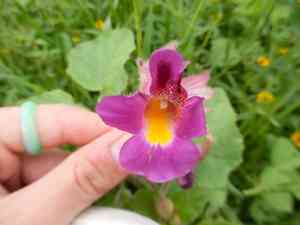
Doubleclaw (Proboscidea parviflora)
Also known as: Devil's Claw, Unicorn Plant
Proboscidea parviflora is coated with fine hairs all over its stems, leaves, and flowers, giving it a "sticky" texture that clings to animals or humans passing by. Additionally, the plant's dried seedpods, known as doubleclaws, were traditionally utilized in basket weaving by Native American communities.
In This Article
Attributes of Doubleclaw
Lifespan
Annual
Plant Type
Herb
Plant Height
60 cm to 90 cm
Spread
90 cm to 1.2 m
Leaf Color
Green
Flower Size
2.5 cm to 5 cm
Flower Color
White Yellow Pink Purple
Images of Doubleclaw
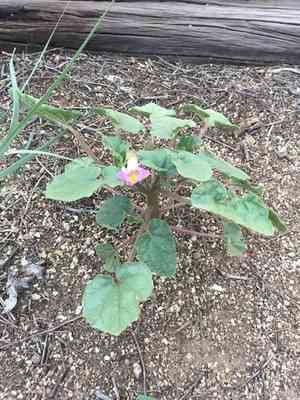
Quickly Identify Doubleclaw
1
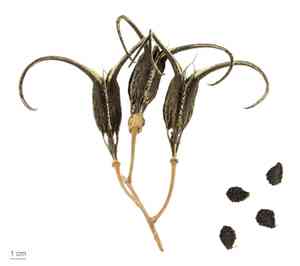
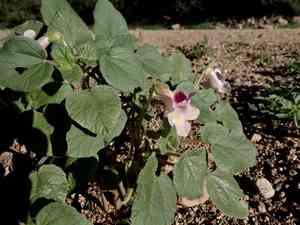
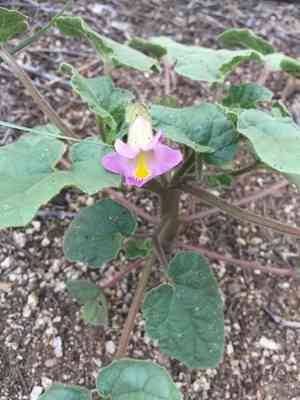
Identify Proboscidea parviflora by its deeply lobed leaves, large pink to lavender flowers, and prominent claw-like fruit pods. The plant typically grows in sandy or disturbed soils.
Scientific Classification of Doubleclaw
Phylum
Vascular plants
Class
Dicotyledons
Order
Lamiales
Family
Unicorn plant
Genus
Proboscidea
Species
Doubleclaw
Planting and Growing of Doubleclaw
Care Difficulty
Easy
Watering Schedule
Every 2 days
Sunlight Requirements
Full sun
Sunshine Duration
4-8 hours
Ideal Temperature
75-85℉
Soil Type
Potting Mix, Peat Mix
Soil pH
6.5-7.5
Fertilizer Type
Balanced
Pruning Season
Spring, Summer
Pruning Area
Branches, Leaves
Pruning Frequency
2 times a year
Repotting Season
Spring
Pot Type
Ceramic, Plastic
 How to Water Doubleclaw?
For Proboscidea parviflora, it's crucial to water deeply but infrequently. You want to ensure that the soil is soaked to a depth of about 8 to 12 inches, supporting the plant's deep root system without waterlogging it. This allows the roots to access moisture further down, which is critical in their native semi-arid environments.
What are the symptoms of an underwatered Doubleclaw?
›
What should I do if my Doubleclaw is not getting enough water?
›
What are the symptoms of an overwatered Doubleclaw?
›
How to save an overwatered Doubleclaw?
›
 What Are the Sunlight Requirements for Doubleclaw?
Proboscidea parviflora thrives in full sun to partial sun conditions. Such light provides ample energy for photosynthesis, resulting in vivid blooms and stronger plant tissues. Proper exposure aids its natural growth cycle and reduces susceptibility to diseases.
More About Sunlight Requirements Techniques→
What is the best type of sunlight for Proboscidea parviflora?
›
What if I can't provide full sun exposure?
›
How does ideal lighting affect its growth?
›
 What Is the Ideal Temperature Range for Doubleclaw?
Proboscidea parviflora thrives best in temperatures ranging from 75 to 85 degrees Fahrenheit. This temperature range offers optimal conditions for growth, ensuring robust foliage and healthy development. Maintaining these temperatures promotes effective photosynthesis and nutrient uptake.
 What Soil is Best for Doubleclaw?
Proboscidea parviflora thrives in well-draining soil conditions. This type of soil prevents waterlogging, thereby protecting the plant's roots from rot. Ensuring good drainage also helps in maintaining proper root aeration, promoting healthy plant growth. This plant benefits from soil enriched with organic matter. Nutrient-rich conditions support its growth by providing essential minerals necessary for robust development and flowering, leading to a healthier plant overall. Proboscidea parviflora does not require excessively fertile soil, which can lead to overgrowth and weakened stems. Moderate fertility is ideal, providing sufficient nutrients without overwhelming the plant.
 How to Fertilize Doubleclaw?
Proboscidea parviflora requires a balanced approach to fertilization. Use a diluted liquid fertilizer with a concentration of 1/4 teaspoon per gallon of water. For slow-release granules, distribute 2 tablespoons per square foot of soil around the base.
 How to Prune Doubleclaw?
Begin by identifying any dead, damaged, or diseased stems and branches. Use sharp pruning shears to cut these back to healthy tissue. Always make your cuts just above a leaf node or bud to encourage new growth. Trim back any wayward or excessively long branches to maintain the desired shape of the plant. Regularly assess the plant to determine if further pruning is necessary to keep its shape and promote air circulation among the branches.
More About Pruning Techniques→
 How to Propagate Doubleclaw plant?
1
Start by filling seed trays with a seed starting mix. Sow the Proboscidea parviflora seeds on the surface of the soil and lightly cover them with a thin layer of mix. It is vital to ensure the seeds are not buried too deeply as they require light for germination.
2
Keep the soil consistently moist but not waterlogged. Use a spray bottle to mist the surface regularly. Avoid overhead watering, which can displace seeds or cause fungal issues.
3
Once the seedlings have at least two sets of true leaves, they are ready to be transplanted. Carefully move them to larger pots or their final garden position, ensuring they are spaced adequately to avoid overcrowding.
 How to Repot Doubleclaw plant?
1
Proboscidea parviflora should be repotted when its roots start peeking out of the drainage holes, signaling a need for more space. Additionally, if the plant becomes top-heavy or growth appears stunted, these are also strong indicators it's time for a new pot.
2
Select a pot that is 2-3 inches larger in diameter than the current one to provide ample space for growth. Opt for terracotta or ceramic pots with drainage holes, as these materials offer excellent aeration and help prevent root rot.
3
Use a well-draining sandy soil mix to mimic its native environment and ensure proper drainage. This will prevent waterlogging and root rot, promoting healthier and more vigorous plant growth.
Learn More About Doubleclaw Diseases
Anthracnose
Bacterial Leaf Spot
Bacterial Wilt
Chemical Injury
Crown Gall
Cyst Nematode
Damping-off
Downy Mildew
Drought Stress
Fusarium Wilt
Gray Mold
Leaf Spot
Mosaic
Nutrient Deficiency
Nutrient Toxicity
Powdery Mildew
Root Rot
Root-knot Nematode
Rusts
Sooty Mold
Spider Mites
Temperature Stress
Thrips Damage
White Mold



