The Doubleclaw Plant Advantage: Maximizing Home and Office Appeal and Wellness
1
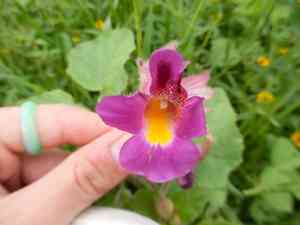
Doubleclaw is recognized for its distinctive seed capsules, which look like two claws.
2
This plant has been historically utilized in crafting baskets because of its robust fibers.
3
Doubleclaw flourishes in dry environments, making it a hardy choice for gardens susceptible to drought.
Exploring Doubleclaw: Its Distinctive Qualities
Unique Appearance and Features
Doubleclaw is easily identified by its unusual seed pods, which resemble a pair of claws, giving it its common name. This singular characteristic not only makes it a garden focal point but also aids in seed dispersal. The plant's hardiness allows it to flourish in various environmental conditions, especially arid and semi-arid regions.
Historical Importance and Traditional Applications
Historically, Doubleclaw was prized by various indigenous groups for its robust fibers. These fibers were skillfully woven into intricate baskets, used for practical purposes like carrying goods and storing food. The plant's durability made it a vital resource in many traditional crafts.
The Environmental Advantages of Doubleclaw
Drought Tolerance
Doubleclaw is a resilient plant capable of enduring extended dry spells. This makes it an excellent choice for xeriscaping, a landscaping approach that minimizes or eliminates the need for irrigation. By integrating Doubleclaw into arid areas, gardeners can create sustainable landscapes requiring less water and upkeep.
Soil Stabilization
Doubleclaw's deep root system helps anchor soil, preventing erosion in areas prone to degradation. This is particularly beneficial in regions with loose or sandy soil, where erosion can pose a significant environmental challenge. By planting Doubleclaw, landowners can help maintain soil integrity and foster healthier ecosystems.
Practical Uses of Doubleclaw in Contemporary Gardening
Decorative Purposes
With its captivating appearance and resilience, Doubleclaw makes an excellent ornamental plant. Its distinctive seed pods add visual interest to gardens, and its ability to thrive in harsh conditions ensures minimal care. This makes it ideal for gardeners seeking low-maintenance yet striking plants.
Companion Planting
Doubleclaw can be incorporated into companion planting schemes to enhance the growth of nearby plants. Its presence can help deter pests and improve soil health, fostering a more balanced and productive garden environment. This symbiotic relationship benefits both Doubleclaw and its neighboring plants, promoting a thriving garden ecosystem.
Sustainable Practices: Growing Doubleclaw
Propagation Methods
Doubleclaw can be propagated by sowing seeds. Collecting mature seed pods and planting them in well-draining soil can produce new plants. It's crucial to replicate the plant's natural growing conditions, such as placing seeds in sunny spots and ensuring minimal water after initial growth.
Integrating Doubleclaw into Permaculture Systems
Doubleclaw integrates well into permaculture systems, where it can contribute to a self-sustaining and ecologically balanced garden. Its capacity to improve soil quality and provide habitat for beneficial insects makes it a key component in permaculture designs. By incorporating Doubleclaw, gardeners can enhance biodiversity and create more resilient garden systems.
Cultural Relevance and Modern Applications
Revival of Traditional Uses
In recent years, there has been renewed interest in re-establishing traditional uses of Doubleclaw. Artisans and cultural enthusiasts are exploring its fibers for basket weaving and other crafts, blending ancient techniques with modern designs. This resurgence not only preserves cultural heritage but also promotes sustainable practices.
Educational and Research Importance
Doubleclaw serves as a significant subject in botanical research and education. Studying its unique properties and historical uses offers insights into sustainable agriculture and traditional ecological knowledge. Furthermore, it provides opportunities for educational programs focused on plant biology, conservation, and cultural history.



