How to Transplant Dwarf cinquefoil?
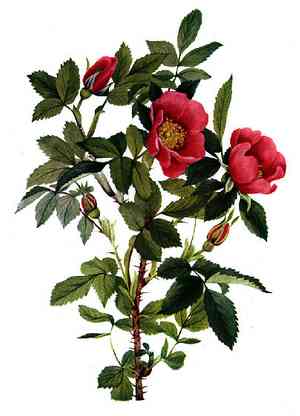
The most favorable period for relocating dwarf cinquefoil is during the mild onset of early to mid-spring, ensuring vigorous development after transplantation. Select locations that receive full sun to partial shade and possess soil with good drainage. Careful manipulation of the root system aids in successful integration.
What Preparations are Needed Before Transplanting Dwarf Cinquefoil?
What is the Ideal Time for Transplanting Dwarf Cinquefoil?
The optimal period for relocating dwarf cinquefoil is during the refreshing onset of early to mid-spring. This timing enables dwarf cinquefoil to develop its root system prior to the summer heat. Moving dwarf cinquefoil in the gentle warmth of spring leverages the season's moderate temperatures and ample moisture, promoting vigorous development. By adopting a supportive approach, you'll give dwarf cinquefoil a beneficial head start in its growth cycle, ensuring it settles comfortably in its new location, ready to thrive with energy. Remember, transplanting dwarf cinquefoil during this phase capitalizes on its natural growth pattern, setting the stage for a lush display by summer. It's a smart gardening move to secure a vibrant future for these perennials!
How Much Space Should You Leave Between Dwarf Cinquefoil Plants?
For dwarf cinquefoil, position your transplants approximately 1-2 feet (30-60 cm) apart. This provides them with adequate room to expand and flourish. Keep in mind, proper spacing leads to healthy and vibrant blooms. Don't worry! You're doing great so far.
What is the Best Soil Mix for Dwarf Cinquefoil Transplanting?
The soil for dwarf cinquefoil should be well-drained and rich in organic material. Incorporate a slow-release, balanced fertilizer into the soil's base before planting. This will ensure your plant receives the necessary nutrients to thrive.
Where Should You Relocate Your Dwarf Cinquefoil?
For optimal growth, place dwarf cinquefoil in a spot that receives full sun to partial shade. But don't panic if you don't have a super sunny spot, dwarf cinquefoil is pretty forgiving. Keep going, you're doing awesome!
What Equipments Should You Prepare Before Transplantation Dwarf Cinquefoil?
Gardening Gloves
To protect your hands while working with soil and plants.
Gardening Trowel
This smaller, handheld tool will assist you in carefully lifting the dwarf cinquefoil from its current spot without causing harm.
Garden Spade
For excavating the new planting hole and refilling it.
Watering Can
Needed to hydrate the plant before and after its relocation.
Organic Matter/complement
To enhance the soil's structure at the new site.
Mulch
To retain soil moisture and regulate temperature.
How Do You Remove Dwarf Cinquefoil from the Soil?
How Do You Remove Dwarf Cinquefoil from the Soil?
From Ground: Start by watering the dwarf cinquefoil to soften the earth. Then, using a gardening trowel, dig a wide circle around the plant, making sure to avoid the roots. Afterward, carefully lift the plant, being cautious not to damage the roots or tear the leaves.\nFrom Pot: If your dwarf cinquefoil is in a container, water the soil thoroughly beforehand to facilitate removal. Then, with a gentle hand, tilt the pot on its side and carefully slide the plant out. If it resists, tap the pot's base a few times. Be sure to handle the plant by its root ball and not its stem or leaves to prevent injury.\nFrom Seedling Tray: If your dwarf cinquefoil is in a seedling tray, its root system will be underdeveloped and delicate. Watering the soil and then gently pushing the plant from below should allow it to slide out easily.
Step-by-Step Guide for Transplanting Dwarf Cinquefoil
Installing the Plant
Dig a hole in the new location that is twice as wide and the same depth as the root system of the dwarf cinquefoil. Add organic matter into the hole for nutrient enhancement. Gently place the dwarf cinquefoil in the hole ensuring that the top of the roots level with the surrounding soil.
Filling the Hole
Carefully backfill the hole with soil, making sure there are no air pockets that could cause the roots to dry out.
Watering
Use a watering can to thoroughly moisten the soil around the dwarf cinquefoil once it's transplanted. Avoid water logging, but make sure it's evenly soaked.
Mulching
Apply a 2-3 inch layer of mulch around the dwarf cinquefoil, it helps in maintaining soil moisture and temperature.
How Do You Care For Dwarf Cinquefoil After Transplanting?
Watering
Keep the soil around the dwarf cinquefoil consistently moist but avoid constant saturation. You want the soil to remain damp, but not waterlogged.
Frost Protection
If a late frost is anticipated, consider covering the dwarf cinquefoil with a frost cloth or an inverted bucket to shield it.
Pests Control
Monitor for any pests or diseases that might affect your plant in its new environment. If you observe any suspicious insects or imperfections on the leaves, seek organic or chemical treatments as needed.
Troubleshooting Common Issues with Dwarf Cinquefoil Transplantation.
What is the appropriate timing to transplant dwarf cinquefoil?
The best time to transplant dwarf cinquefoil is during S1-S2. This timing will give the plant the greatest chance of successfully establishing.
How do I prepare the transplantation site for dwarf cinquefoil?
Ensure the site is free of weeds and enriched with organic matter. Dig a hole that's about twice the size of dwarf cinquefoil's rootball, 10 inches (25 cm) deep.
What is the ideal spacing to transplant dwarf cinquefoil?
The recommended spacing for transplanting dwarf cinquefoil is approximately 1-2 feet (30-60 cm) apart to allow ample growth space.
Why is my transplanted dwarf cinquefoil wilting?
Wilting may occur due to transplant shock. To mitigate this, keep the soil well-watered but not waterlogged, and avoid direct sun until the plant has stabilized.
How do I care for dwarf cinquefoil right after transplanting?
Water it well after transplanting, and continue to keep the soil moist. Avoid immediately fertilizing; wait at least 2-4 weeks as it can stress the plant.
Can I transplant dwarf cinquefoil in summer or winter?
It's not ideal as the plant prefers cooler weather during transplanting. To maximize growth and survival rates, stick with the recommended transplanting periods of S1-S2.
Why are the leaves of dwarf cinquefoil turning yellow after transplanting?
Yellow leaves can be a symptom of water stress or nutrient deficiency. Check the soil moisture level and consider a balanced, slow-release fertilizer if necessary.
How deep should I plant dwarf cinquefoil when transplanting?
When transplanting dwarf cinquefoil, plant it at the same depth it was in its original pot. Typically this is about 10 inches (25 cm) deep.
How do I know if dwarf cinquefoil has successfully established after being transplanted?
Successful establishment can be marked by new growth and lack of wilting. This usually takes a few weeks, so patience is key!
Can I use a regular garden soil to transplant dwarf cinquefoil?
While dwarf cinquefoil is quite hardy, it will appreciate well-draining and fertile soil. You can improve your garden soil by mixing in some organic compost.



