How to Prune Dwarf cinquefoil?
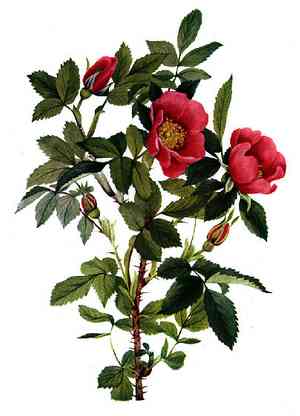
Dwarf cinquefoil, a compact perennial featuring five-petaled yellow blossoms, flourishes with limited trimming to sculpt its form, eliminate deceased or ailing branches, and stimulate flowering. The ideal period for pruning is late spring or early summer, following the bloom cycle, to prevent severing nascent buds. Strategic pruning can enhance the subsequent season's floral display and sustain the plant's robustness. Make incisions directly above fresh leaf nodes to encourage sound regeneration. Given its diminutive size, excessive pruning may lead to diminished vigor or the demise of the plant.
What Are the Benefits of Pruning Dwarf Cinquefoil?
What Are the Benefits of Pruning Dwarf Cinquefoil?
Trimming dwarf cinquefoil promotes robust development and helps maintain a dense, visually appealing shape. Routine cutting removes dead or diseased wood, fostering healthier foliage and a sturdy framework.
What Is the Best Time for Pruning Dwarf Cinquefoil?
What Is the Best Time for Pruning Dwarf Cinquefoil?
Pruning dwarf cinquefoil in late Spring, following the final frost, is optimal for allowing recovery before its growth surge. Early Summer trimming aligns with dwarf cinquefoil's active growth phase, improving the plant's form and encouraging healthy development without impacting flowering, which typically occurs in early spring.
What Tools Do I Need to Prune Dwarf Cinquefoil?
Hand Pruners
Perfect for making precise cuts on dwarf cinquefoil to eliminate dead or damaged stems, and for shaping the plant. Hand pruners offer the necessary control for cutting the delicate stems of this small perennial.
Pruning Shears
Useful for trimming and shaping dwarf cinquefoil's foliage, especially during its active growth period in spring and summer. Shears enable quick, clean cuts without causing undue harm to the plant.
Gloves
Protects the gardener's hands from thorns and rough stems when handling dwarf cinquefoil, ensuring a safe pruning process.
Garden Scissors
Can be utilized for detailed work on dwarf cinquefoil, such as thinning out congested areas or deadheading spent flowers to encourage new growth.
Loppers
Could be beneficial if dwarf cinquefoil is an older, established plant with thicker, woodier stems that hand pruners cannot easily cut through.
How to Prune Dwarf Cinquefoil
Deadheading
Identify and remove faded blooms on dwarf cinquefoil by pinching or cutting them back to the first set of leaves. This will encourage more flowering and maintain a neat appearance.
Thinning
Thin out the withered stems by cutting them back to their base or point of origin. Aim to remove only the old, woody growth to improve air circulation and revitalize dwarf cinquefoil.
Cleanup
Collect and dispose of all removed plant debris to lessen the risk of pests and diseases potentially lurking in dead material around dwarf cinquefoil.
Shape
Shape dwarf cinquefoil by selectively trimming overgrown or unruly stems, balancing the plant's overall form for aesthetic purposes without excessive pruning.
Tool care
Clean and sanitize pruning tools after use to prevent the spread of diseases to other garden plants.
Common Pruning Mistakes with Dwarf Cinquefoil
Over-pruning
Removing too much foliage from dwarf cinquefoil in a single pruning session can weaken the plant and reduce its vigor. It is crucial to prune cautiously, never removing more than one-third of the plant's total growth.
Improper cut locations
Cutting too far from a bud or not making angled cuts can result in water pooling on the stump, which encourages rot or disease. Pruning cuts should be made at a 45-degree angle, just above an outward-facing bud.
Using dull tools
Dull pruning tools can create jagged cuts that are more susceptible to disease and pest infestation. Make sure the tools are sharp to ensure clean cuts that heal quickly.
Neglecting sanitation
Not sterilizing pruning tools between cuts and plants could spread diseases. It is important to clean tools, ideally with a solution of one part bleach to nine parts water, to maintain dwarf cinquefoil's health.
Ignoring plant structure
Failing to understand the natural form of dwarf cinquefoil results in improper pruning that can lead to an unnatural appearance and poor growth. Observing the natural structure can guide pruning decisions to enhance the plant's shape.
Common Pruning Tips for Dwarf Cinquefoil
Selective thinning
Remove chosen branches to increase light penetration and air circulation throughout dwarf cinquefoil's canopy. This helps prevent disease and encourages stronger, more productive growth.
Deadheading
Regularly removing spent flowers will promote further blooming and prevent dwarf cinquefoil from expending energy on seed production, which can reduce the vigor of the plant.
Encouraging new growth
Prune older, woody stems to stimulate the growth of new, more vigorous shoots. This ensures that dwarf cinquefoil maintains its compact form and produces more flowers.
Shape maintenance
Prune to maintain dwarf cinquefoil's desired shape and size while ensuring that it blends in harmoniously with the surrounding planting area. It's also important to remove any awkward or crossing branches that could cause damage.
Health improvement
Regularly inspect dwarf cinquefoil for signs of disease or damage, and prune away affected areas promptly to keep the plant healthy. This includes cutting back any dead or diseased branches to the next healthy outward-facing bud or branch.



