How to Propagate Dwarf cinquefoil?
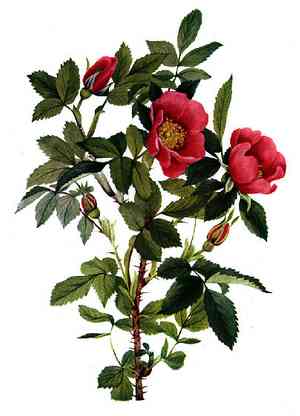
Potentilla 1 is best propagated using cuttings in the Spring and Summer. This process is quite straightforward, and new shoots signal successful rooting. Ensure consistent hydration to encourage robust root formation.
Optimal Time for Dwarf Cinquefoil Propagation
Propagation Method
Cutting
Propagation Period
Spring, Summer
Tools Required for Dwarf Cinquefoil Propagation
Sharp Pruning Shears
These are utilized for obtaining cuttings from dwarf cinquefoil, minimizing harm to the parent plant. Keen blades guarantee a clean incision, promoting quicker healing for the donor plant and improved rooting for the cutting.
Rooting Hormone Powder
This stimulates root development on dwarf cinquefoil cuttings, boosting the likelihood of successful propagation by encouraging root cell formation at the cut site.
Sterile Potting Mix
Offers a pathogen-free environment for dwarf cinquefoil cuttings to establish roots. A well-draining substrate is perfect for preventing root decay and fostering robust root growth.
Plant Pots with Drainage Holes
These allow excess water to escape, which is vital for preventing waterlogging and root diseases in dwarf cinquefoil cuttings. Good drainage promotes aeration and healthy root development.
Plastic Bags or Propagation Dome
Helps maintain high humidity around dwarf cinquefoil cuttings, which is crucial for preventing water loss through leaves before the cutting can sustain itself with new roots.
Heating Mat (optional)
Provides warmth from below, which can accelerate root development in dwarf cinquefoil cuttings. This tool is especially beneficial in colder climates or during cooler times of the year.
Spray Bottle
Used to gently moisten dwarf cinquefoil cuttings without disrupting the root formation process, ensuring the soil remains uniformly damp, which is key for root development.
How to Propagate Dwarf Cinquefoil?
Propagation Method
Cutting
Difficulty Level
Easy
Caring for Your Newly Propagated Dwarf Cinquefoil
Caring for Your Newly Propagated Dwarf Cinquefoil
Post-propagation, keep the soil of the dwarf cinquefoil cuttings moist, but ensure adequate drainage to prevent root rot. Gradually introduce the young plants to outdoor conditions if they were rooted indoors. Provide them with a location offering full sun to partial shade and well-drained soil. Water consistently during the initial growing season to establish a strong root system. Apply mulch around the base to retain moisture and suppress weeds, but keep it away from the stem to avoid rot. Monitor for pests and diseases and apply a balanced, slow-release fertilizer in early spring to encourage vigorous growth.
Common Errors to Avoid When Propagating Dwarf Cinquefoil
Overwatering
Supplying too much water during the rooting process can lead to root rot for dwarf cinquefoil, as the species requires well-drained soil and is susceptible to excess moisture. Overwatering may impede root development and increase the likelihood of fungal infections.
Inadequate cutting selection
Utilizing older, woody stems instead of vigorous, young shoots for cuttings can diminish the chances of successful rooting in dwarf cinquefoil. Older cuttings may lack the regenerative capacity of younger shoots, leading to poor or failed propagation attempts.
Excessive fertilization
Applying too much fertilizer can harm the delicate new roots of dwarf cinquefoil cuttings or seedlings, as they cannot tolerate high concentrations of nutrients and may suffer from fertilizer burn, which can be detrimental to plant growth.
Neglecting to provide appropriate humidity
Dwarf cinquefoil cuttings may require a humid environment to prevent desiccation while they are developing roots. Insufficient humidity can result in cuttings drying out, leading to unsuccessful propagation.
Ignoring soil composition
Planting dwarf cinquefoil in an unsuitable soil mix can hinder root growth and water drainage. Using a soil medium that does not mimic the plant's natural habitat can cause the cuttings to struggle or even die.
Tips For Propagating Dwarf Cinquefoil
Use healthy shoots
Propagate dwarf cinquefoil using healthy, young shoots from a mature plant, as these are more likely to take root and grow successfully. This ensures that the plant's natural vigor aids in the establishment of new individuals.
Well-draining soil
Prepare a potting mix with good drainage for dwarf cinquefoil to prevent waterlogged conditions which can rot the roots. A blend of peat, sand, and perlite can provide the desired aeration and drainage.
Moderate watering
Maintain consistent moisture levels without overwatering to encourage root growth in dwarf cinquefoil. Allow the soil to partially dry between watering to prevent root rot and other moisture-related issues.
Providing humidity
Create a humid microenvironment for dwarf cinquefoil cuttings by covering them with a plastic bag or placing them in a propagator. This helps maintain moisture around the cutting, which is crucial for successful root development.
Minimal fertilizer
Wait until dwarf cinquefoil has established roots before applying a gentle, diluted fertilizer solution. This will avoid damaging delicate new roots and will provide nutrients at a time when the plant can use them effectively.



