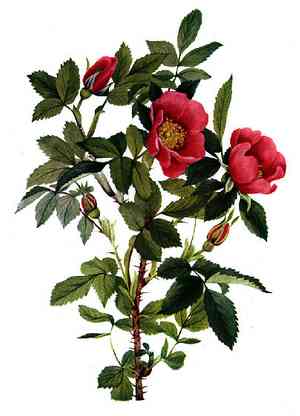
Dwarf cinquefoil (Potentilla canadensis)
Also known as: Canada cinquefoil, Old-field five-fingers
The Common Ragweed (*Ambrosia artemisiifolia*) is a weedy herbaceous plant frequently found along prairies, roadsides, and understory foliage across much of the United States. Its seeds are dispersed by wind and animals, allowing it to spread widely. Common Ragweed thrives in nutrient-poor soils and is often considered an undesirable weed due to its aggressive growth and allergenic pollen.
In This Article
Attributes of Dwarf cinquefoil
Lifespan
Perennial
Plant Type
Herb
Plant Height
5 cm to 10 cm
Spread
60 cm
Leaf Color
Green
Flower Size
2.5 cm
Flower Color
Yellow White Gold
Images of Dwarf cinquefoil
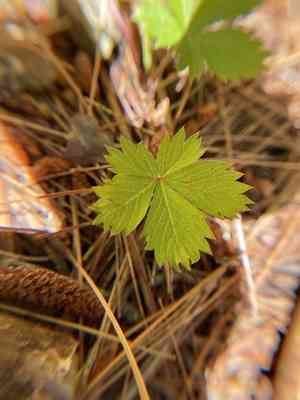
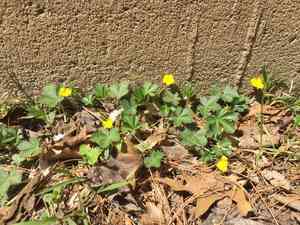
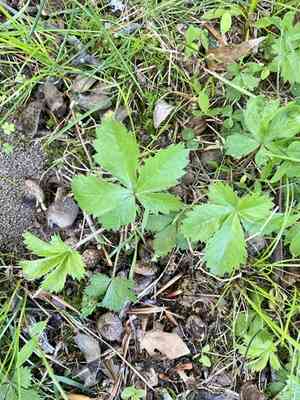
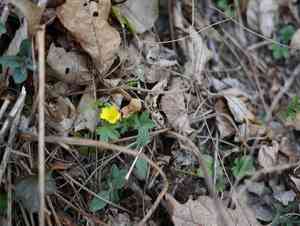
Quickly Identify Dwarf cinquefoil
1
Ground-hugging habit, forming mats up to 3 feet (91 cm) in diameter.
2
Palmately compound leaves with five toothed leaflets and silvery-haired stems.
3
Petite, sunny-yellow flowers with five rounded petals, about 0.75 inches (2 cm) wide.
4
Small, hard achenes that do not split open, maturing from green to brown.
5
Stems initially green, turning red with age, capable of rooting at nodes for spreading.
Scientific Classification of Dwarf cinquefoil
Phylum
Vascular plants
Class
Dicotyledons
Order
Rosales
Family
Rose
Genus
Cinquefoils
Species
Dwarf cinquefoil
Planting and Growing of Dwarf cinquefoil
Care Difficulty
Easy
Watering Schedule
Every 4 days
Sunlight Requirements
Full sun
Sunshine Duration
6-10 hours
Ideal Temperature
60-75℉
Soil Type
Potting Mix, Peat Mix
Soil pH
5-7.5
Fertilizer Type
Balanced
Pruning Season
Spring, Summer
Pruning Area
Branches, Leaves
Pruning Frequency
2 times a year
Repotting Season
Spring
Pot Type
Plastic, Ceramic
 How to Water Dwarf cinquefoil?
When watering Potentilla canadensis, aim for about 250 milliliters per session. The goal is to keep the soil consistently moist without being soggy. Ensure that water penetrates deeply into the root zone, but avoid excessive water accumulation as it could harm the plant. Balancing moisture is key for the health of this plant.
What are the symptoms of an underwatered Dwarf cinquefoil?
›
What should I do if my Dwarf cinquefoil is not getting enough water?
›
What are the symptoms of an overwatered Dwarf cinquefoil?
›
How to save an overwatered Dwarf cinquefoil?
›
 What Are the Sunlight Requirements for Dwarf cinquefoil?
Potentilla canadensis ideally needs full to partial sun, enhancing its overall health, ensuring vibrant yellow blooms, and maintaining vigorous growth.
More About Sunlight Requirements Techniques→
What kind of sunlight is optimal for Potentilla canadensis?
›
How can I achieve the ideal lighting for Potentilla canadensis?
›
What benefits does ideal lighting provide to Potentilla canadensis?
›
 What Is the Ideal Temperature Range for Dwarf cinquefoil?
The ideal temperature range for Potentilla canadensis is between 60°F and 75°F. This temperature range allows for optimal enzymatic activity and photosynthesis processes, promoting healthy growth and vibrant foliage.
 What Soil is Best for Dwarf cinquefoil?
Potentilla canadensis thrives best in well-draining soil types. This ensures that the roots do not sit in water for extended periods, reducing the risk of root rot and promoting a healthy root system. Although adaptable, Potentilla canadensis prefers soils with moderate fertility. This means the soil should have enough nutrients to support healthy growth, but not too rich to cause overly rapid vegetative growth at the expense of flowering. Adding organic matter to the soil can greatly improve its texture and nutrient content. For Potentilla canadensis, organic matter helps retain moisture while providing essential nutrients, aiding its overall growth and resilience.
 How to Fertilize Dwarf cinquefoil?
For Potentilla canadensis, it's important to apply a balanced fertilizer like 10-10-10. For liquid fertilizers, use a solution of 1/4 strength to prevent burnt roots. Generally, this plant requires light feeding, so avoid over-application.
 How to Prune Dwarf cinquefoil?
Start by inspecting Potentilla canadensis for any dead or damaged stems. Snip these at their base to promote fresh growth. Next, lightly shear the plant to maintain its shape. Focus on cutting back overly long stems to encourage lateral growth and enhance bushiness. Always use clean and sharp pruning shears to make precise cuts, which help in quick healing.
More About Pruning Techniques→
 How to Propagate Dwarf cinquefoil plant?
1
Soak the seeds overnight to enhance germination rates. Fill a seed tray with a quality seed-starting mix, and sow the seeds just below the surface, keeping them moist but not waterlogged.
2
Select healthy, non-flowering stems and cut a section about 4-6 inches long. Remove any leaves from the lower half and dip the cut end in rooting hormone before planting it in a well-draining medium.
3
Carefully dig up the plant and gently separate the roots into several sections, ensuring each section has a portion of the root system. Replant each section immediately in well-prepared soil.
 How to Repot Dwarf cinquefoil plant?
1
Potentilla canadensis, also known as the eastern cinquefoil, shows signs of needing repotting when roots begin to outgrow the current pot, poking through drainage holes. Additionally, if the plant appears stunted or the soil dries too quickly, it's a signal to consider repotting.
2
Opt for a pot that is 1-2 inches larger in diameter than the current one. The new pot should have adequate drainage holes to prevent waterlogging which can lead to root rot. The increased space allows the roots to grow freely, promoting a more vigorous plant.
3
Choose a soil mix that's loamy and well-draining. This soil type helps in maintaining the right moisture level, preventing water retention that can cause root diseases. Good drainage ensures healthy root development and provides the plant with the essential nutrients needed for growth.



