How to Transplant Oblong-leaved pondweed?
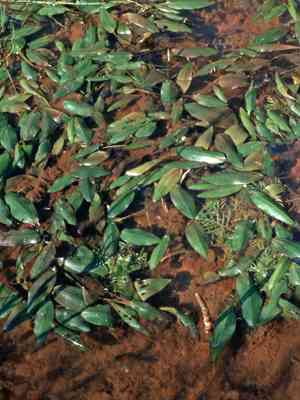
The most favorable period for relocating oblong-leaved pondweed is throughout the vigorous growing season, spanning from the latter part of spring to mid-summer, as this provides the best environment for adaptation. Preferably, choose a location that receives abundant sunlight and maintains consistent dampness. When moving oblong-leaved pondweed, careful manipulation is crucial to safeguard its fragile root system.
What Preparations are Needed Before Transplanting Oblong-leaved Pondweed?
What is the Ideal Time for Transplanting Oblong-leaved Pondweed?
The best time to move oblong-leaved pondweed is from early spring to mid-summer. This period allows oblong-leaved pondweed to establish roots in warm, growth-promoting weather, giving it a great chance to thrive. Transplanting oblong-leaved pondweed during these months ensures it benefits from the season's favorable conditions, enabling a smooth transition to its new water home and enough time to adapt before winter's dormancy. Rely on this seasonal rhythm to provide oblong-leaved pondweed with a strong start.
How Much Space Should You Leave Between Oblong-leaved Pondweed Plants?
When placing your oblong-leaved pondweed, ensure they have ample room to spread. Target a spacing of approximately 2-4 feet (60-120 cm). This provides sufficient area for root development and leaf expansion.
What is the Best Soil Mix for Oblong-leaved Pondweed Transplanting?
Prepare a comfortable spot for your oblong-leaved pondweed! Select a loamy soil that retains moisture well and is rich in organic matter. Gently mix in a balanced, slow-release fertilizer to give them a nourishing start.
Where Should You Relocate Your Oblong-leaved Pondweed?
Your oblong-leaved pondweed enjoys sunlight but not all day. Choose a location with sun to partial shade where they can absorb morning light and then relax in afternoon shade. This will ensure their happiness and vigorous growth.
What Equipments Should You Prepare Before Transplantation Oblong-leaved Pondweed?
Gardening Gloves
To safeguard your hands when handling soil and oblong-leaved pondweed.
Watering Can
For pre-moistening oblong-leaved pondweed before removal and maintaining soil moisture post-transplant.
Spade or Shovel
To excavate oblong-leaved pondweed without harming its root ball.
Wheelbarrow or Garden Cart
To move oblong-leaved pondweed from its original spot to the new location.
Gardening Trowel
For more precise digging and planting tasks.
Bucket or Container
To hold oblong-leaved pondweed and any necessary water during transit.
Pruning Shears
To trim any damaged roots or foliage.
How Do You Remove Oblong-leaved Pondweed from the Soil?
How Do You Remove Oblong-leaved Pondweed from the Soil?
From Ground: First, water the oblong-leaved pondweed at its current site to soften the soil. Dig a wide circle around the plant with a spade or shovel, being careful not to cut into the root ball. Gently lift the plant from the ground, preserving as much of the root system as possible.From Pot: Water the oblong-leaved pondweed thoroughly, then tilt the pot sideways and gently tap to loosen the soil. Carefully pull the plant out by the base of the stem, supporting the root ball to prevent it from breaking apart.From Seedling Tray: Water the seedlings well before transplanting. Use a gardening trowel or your fingers to press the soil and carefully extract the oblong-leaved pondweed with as much root and surrounding soil as possible.
Step-by-Step Guide for Transplanting Oblong-leaved Pondweed
Preparation
Have all tools, equipment, and supports ready before beginning. Ensure the new site has been prepared beforehand as per other instructions.
Watering
Water the oblong-leaved pondweed thoroughly before starting the transplant to reduce shock and help soil adhere to the roots. Once planted, water the oblong-leaved pondweed generously to settle the soil and hydrate the roots.
Digging Up
Use the spade or shovel to dig around the oblong-leaved pondweed, leaving ample space to avoid root damage. Carefully lift it from the ground, keeping the root ball intact.
Transport
Place the oblong-leaved pondweed in a wheelbarrow, garden cart, or bucket for transport to the new location, ensuring it isn't excessively tilted to prevent damage.
Hole Preparation
At the new location, dig a hole twice the size of the root ball to provide plenty of room for root expansion.
Placing
Set the oblong-leaved pondweed into the hole, positioning it so the top of the root ball is level with the surrounding ground.
Backfilling
Carefully backfill the hole with soil, gently compacting it to ensure no air pockets remain.
Prune if Necessary
Use pruning shears to trim any roots or foliage that sustained damage during transplantation.
How Do You Care For Oblong-leaved Pondweed After Transplanting?
Consistent Moisture
Maintain steady soil moisture around the oblong-leaved pondweed, especially during the initial weeks, to aid its establishment in the new spot.
Observation
Regularly inspect the oblong-leaved pondweed for signs of distress, such as wilting or yellowing leaves, and adjust care as needed.
Protection
If oblong-leaved pondweed is moved to a very sunny or windy area, consider providing initial shade or wind protection.
Troubleshooting Common Issues with Oblong-leaved Pondweed Transplantation.
What's the best time to transplant oblong-leaved pondweed?
Transplant oblong-leaved pondweed when the weather warms, ideally from late spring to midsummer for optimal growth.
How far apart should I space oblong-leaved pondweed plants?
Space your oblong-leaved pondweed 2-4 feet apart (60-120 cm) to give them room to thrive and spread.
How deep should the pond be for oblong-leaved pondweed transplantation?
A pond depth of 1-3 feet (30-90 cm) is suitable for establishing oblong-leaved pondweed effectively.
What's the ideal water temperature for transplanting oblong-leaved pondweed?
Aim for a water temperature between 70°F-77°F (21°C-25°C) to transplant oblong-leaved pondweed for best results.
How do I prepare the pond bed for oblong-leaved pondweed?
Clear debris and ensure a nutrient-rich sediment to plant oblong-leaved pondweed. Gently press roots into the substrate.
What should I do if oblong-leaved pondweed's leaves turn yellow after transplanting?
Yellowing leaves may indicate stress; check for proper water conditions or signs of nutrient deficiency.
How soon can I expect oblong-leaved pondweed to settle after transplanting?
With proper care, oblong-leaved pondweed should begin to establish within a few weeks post-transplanting.
Can I transplant oblong-leaved pondweed in shaded areas?
While oblong-leaved pondweed tolerates some shade, choose areas with partial to full sunlight for robust growth.
What signs show successful oblong-leaved pondweed transplantation?
Successful transplantation is marked by new growth, including extending stems and vibrant leaves.
How do I handle oblong-leaved pondweed during transplant to avoid damage?
Carefully lift oblong-leaved pondweed by the roots, avoiding strain on stems and leaves, and transport with dampened roots.



