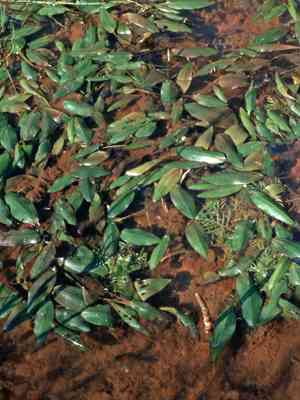
Oblong-leaved pondweed (Potamogeton polygonifolius)
Also known as: Cinnamonspot pondweed
Bog Bean (Menyanthes trifoliata) is a specialized water plant that thrives in acidic, nutrient-poor environments. It is well-suited for garden ponds due to its preference for very shallow water. This plant is also valued for its ability to adapt to such specific conditions.
In This Article
Attributes of Oblong-leaved pondweed
Lifespan
Perennial
Plant Type
Herb
Plant Height
30-100 cm
Spread
N/A
Leaf Color
Green with a reddish tint
Flower Size
Small, insignificant
Flower Color
Yellow Green Brown
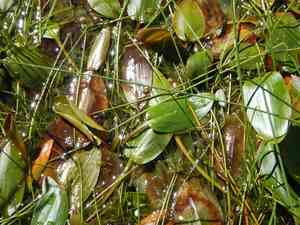
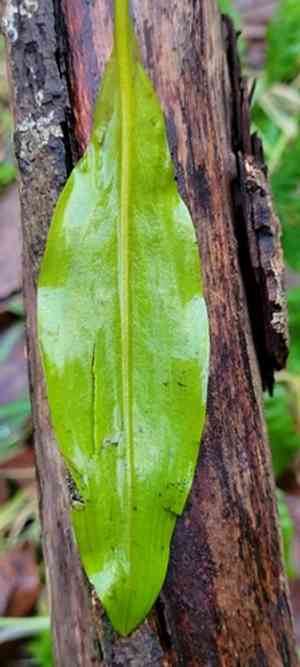
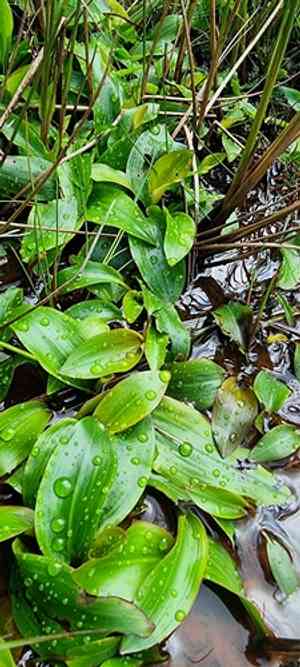
Images of Oblong-leaved pondweed
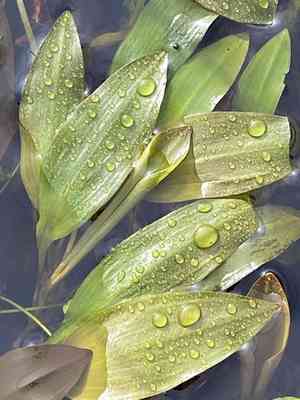
Quickly Identify Oblong-leaved pondweed
1
This species can be identified by its broad, lanceolate leaves that float on the water surface and its reddish stems. The submerged leaves are narrower, almost grass-like, and arranged alternately on the stem.
Scientific Classification of Oblong-leaved pondweed
Phylum
Vascular plants
Class
Monocotyledons
Order
Alismatales
Family
Pondweed
Genus
pondweeds
Species
Oblong-leaved pondweed
Planting and Growing of Oblong-leaved pondweed
Care Difficulty
Easy
Watering Schedule
Every 12 days
Sunlight Requirements
Partial sun
Sunshine Duration
4-6 hours
Ideal Temperature
60-75℉
Soil Type
Potting Mix, Peat Mix
Soil pH
5-7
Fertilizer Type
Balanced
Pruning Season
Spring, Summer
Pruning Area
Branches, Leaves
Pruning Frequency
2 times a year
Repotting Season
Spring
Pot Type
Plastic, Ceramic
 How to Water Oblong-leaved pondweed?
Potamogeton polygonifolius thrives in very moist conditions, requiring about 500 ml of water per session. It's crucial to ensure the surrounding habitat remains consistently wet, mimicking its natural pond or marsh-like environment.
What are the symptoms of an underwatered Oblong-leaved pondweed?
›
What should I do if my Oblong-leaved pondweed is not getting enough water?
›
What are the symptoms of an overwatered Oblong-leaved pondweed?
›
How to save an overwatered Oblong-leaved pondweed?
›
 What Are the Sunlight Requirements for Oblong-leaved pondweed?
Partial sun to full shade ensures Potamogeton polygonifolius receives optimal light. This range supports its growth, maintains vibrant leaf color, and prevents leaf damage from overexposure.
How much light does it need?
›
What are the solutions to achieve ideal light?
›
What benefits come from ideal lighting?
›
 What Is the Ideal Temperature Range for Oblong-leaved pondweed?
The ideal temperature range for Potamogeton polygonifolius is between 60°F and 75°F. This range allows the plant to photosynthesize effectively and maintain optimal metabolic processes, ensuring healthy growth and vitality.
 What Soil is Best for Oblong-leaved pondweed?
Potamogeton polygonifolius thrives in soil that retains moisture well, as it is typically found in wetland environments. A moist substrate ensures that the plant remains hydrated, which is crucial for its growth and reproduction. The ability of the soil to hold water reduces the risk of drought stress and supports the plant's metabolic processes. It prefers nutrient-rich soils that can supply the necessary minerals and nutrients for optimal growth. Rich organic content in the soil facilitates robust health and foliage development, enabling the plant to photosynthesize efficiently and maintain its vibrant appearance. An acidic soil is particularly suitable for Potamogeton polygonifolius, as it tolerates a lower pH range compared to many other species. This adaptation allows it to flourish in the naturally acidic environments of bogs and marshes, where it faces less competition from other plants that prefer higher pH levels.
 How to Fertilize Oblong-leaved pondweed?
For Potamogeton polygonifolius, applying the right amount of fertilizer is crucial. Typically, when using liquid fertilizers, apply at a concentration of half the recommended dosage to avoid burning the roots. For solid fertilizers, use a balanced amount based on the plant's size and growth rate, generally around 10 grams per plant per application.
 How to Prune Oblong-leaved pondweed?
Begin by inspecting your Potamogeton polygonifolius for leaves or stems that appear too long or are overshadowing other aquatic life. Identifying these parts allows you to focus your trimming efforts effectively. Trim back the overgrown parts of the plant by up to one-third. Cut just above a node to promote stronger regrowth. You want to maintain the plant's natural form while reducing excessive growth. Collect the pruned material carefully and dispose of it away from water bodies to prevent unwanted propagation. This is especially important if maintaining a specific aquatic environment balance.
More About Pruning Techniques→
 How to Propagate Oblong-leaved pondweed plant?
1
Select healthy, disease-free stems from the parent plant. Using a sharp knife or pruners, cut sections about 4 to 6 inches long. Ensure each cutting has a few leaves and that the cut is clean to avoid plant tissue damage.
2
Place the cuttings in a container filled with clean water. Position them so that the cut ends are submerged while the leaves are above the waterline. Change the water regularly to prevent stagnation and provide ample oxygen for rooting.
3
For division propagation, gently remove the plant from its growing medium and wash the roots. Divide the rhizomes into sections with each having at least one growing shoot. Replant these divisions into new containers or areas with abundant water.
 How to Repot Oblong-leaved pondweed plant?
1
Repot Potamogeton polygonifolius when you notice the plant is becoming root-bound or when growth seems stunted. Other signs include roots poking out of the drainage holes or the decline in water absorption efficiency. Repotting ensures healthy growth and replenishment of nutrients.
2
Select a pot that is one size larger than its current container, with sufficient drainage to prevent waterlogging, but ensure it can retain some moisture. A broader pot also helps accommodate the expansive root system, providing stability and enough space for growth.
3
Use a mix of acidic, water-retentive peat that replicates its natural boggy environment. This type of soil retains moisture well but still allows for adequate drainage, promoting healthy root development and growth in Potamogeton polygonifolius.



