The Oblong-leaved pondweed Plant Advantage: Maximizing Home and Office Appeal and Wellness
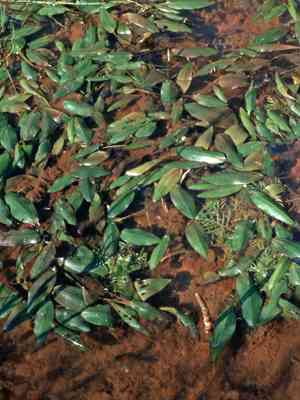
1
Oblong-leaved pondweed improves water purity through impurity filtration.
2
It offers crucial living space for diverse aquatic organisms.
3
Oblong-leaved pondweed fosters robust biodiversity within freshwater environments.
What Are the Ecological Benefits of Oblong-leaved pondweed?
Enhancing Water Quality
Oblong-leaved pondweed significantly improves the clarity and purity of water in ponds, lakes, and other freshwater environments. By absorbing excess nutrients and pollutants, it helps decrease the occurrence of harmful algal blooms. The roots of Oblong-leaved pondweed also stabilize the sediment, preventing the re-suspension of particles in the water column. This natural filtration system provided by Oblong-leaved pondweed is crucial for cleaner and healthier water bodies. Another notable aspect of Oblong-leaved pondweedâs role in enhancing water quality is its ability to oxygenate the water. During photosynthesis, it releases oxygen, which is vital for the survival of aquatic fauna. The oxygen also supports beneficial aerobic bacteria that further break down organic matter, thus improving water quality.
Supporting Aquatic Life
Oblong-leaved pondweed serves as a critical habitat for a wide range of aquatic species, including fish, invertebrates, and microorganisms. The dense foliage offers shelter and spawning grounds for fish, which in turn supports a healthy fish population. Small aquatic creatures find refuge among its leaves, escaping predators and thriving within this safe haven. The plant's structure provides a substrate for periphyton, a complex community of algae, bacteria, and small invertebrates that form a food source for many higher trophic levels. This food web is foundational for the biodiversity of the ecosystem, making Oblong-leaved pondweed an indispensable component of freshwater habitats.
How Does Oblong-leaved pondweed Enhance Biodiversity?
Creating Habitat Diversity
The presence of Oblong-leaved pondweed in freshwater systems introduces significant habitat diversity, which is crucial for the sustainability of many species. The plant's physical structure varies with seasons and life stages, offering different habitat types throughout the year. This dynamic environment supports organisms with diverse habitat requirements, from fish that need specific spawning areas to insects that depend on specific plant parts for their lifecycle. The varied microhabitats within Oblong-leaved pondweed beds promote species coexistence by providing niches for different organisms. This reduces competition and supports a higher variety of species. Intriguingly, the plant also facilitates the establishment of other aquatic plants by providing shade and reducing sedimentation, creating a more hospitable environment for a broader range of plant species.
Food Source for Fauna
Oblong-leaved pondweed is a valuable food source for various wildlife, from herbivorous fish to waterfowl. Fish eat the leaves and shoots, benefiting from the nutrients they contain. Waterfowl, such as ducks, feed on the seeds and tubers of the plant, finding it as a substantial part of their diet during breeding seasons. Additionally, microorganisms and small invertebrates that inhabit Oblong-leaved pondweed beds decompose organic materials, enriching the detrital food web. This supports higher trophic levels, including predatory fish and larger invertebrates, thus reinforcing the ecosystemâs overall food chain.
How Does Oblong-leaved pondweed Adapt to Environmental Changes?
Resilience and Growth
Oblong-leaved pondweed exhibits remarkable resilience to changing environmental conditions, making it an ideal plant for restoration projects in disturbed or degraded water bodies. Its robust root system helps it anchor firmly into the substrate, allowing it to withstand strong currents and fluctuating water levels.
Tolerance to Pollution
Another important characteristic of Oblong-leaved pondweed is its tolerance to a range of pollutants, including heavy metals and organic contaminants. This tolerance enables Oblong-leaved pondweed to thrive in moderately polluted environments, offering a natural solution for phytoremediation. By absorbing and sequestering pollutants, Oblong-leaved pondweed helps to restore and maintain cleaner water bodies, contributing to a healthier ecosystem.



