How to Prune Oblong-leaved pondweed?
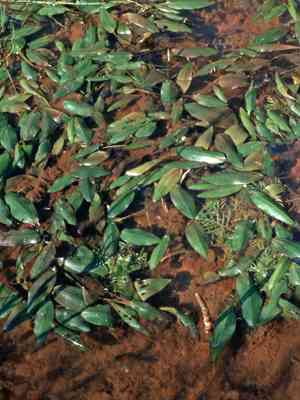
A perennial aquatic plant, oblong-leaved pondweed benefits from targeted trimming to control its expansion and foster vigor. Perform pruning in the spring or early summer, reducing thick clusters to avert excessive density. Employ sharp cutters for the accurate elimination of deceased or superfluous stems near the base. Effective trimming ensures proper water circulation and light access, thereby improving the well-being of oblong-leaved pondweed and its aquatic environment. Avoid excessive cutting to safeguard its natural developmental cycle and ecological role.
Advantages of Trimming Oblong-leaved Pondweed
Advantages of Trimming Oblong-leaved Pondweed
Trimming oblong-leaved pondweed promotes robust development and maintains its desired form, ensuring it doesn't dominate aquatic environments and competes fairly with other water plants.
Optimal Time for Trimming Oblong-leaved Pondweed
Optimal Time for Trimming Oblong-leaved Pondweed
Trimming or cutting oblong-leaved pondweed in the Spring and early Summer is considered ideal due to the active growth phase during these months. Removing excess or dead stems at this time allows the plant to direct energy towards producing strong and healthy foliage. Spring trimming supports rejuvenation after winter dormancy, prepares the plant for the growing season, and maintains water quality by preventing decay in water ecosystems. Early Summer trimming is suitable for managing size and ensuring that oblong-leaved pondweed does not take over waterways. This timing also helps in avoiding stress during peak summer heat or the plant's potential die-back in Fall and Winter.
Tools Required for Trimming Oblong-leaved Pondweed
Long-handled Pond Shears
Designed for aquatic plant upkeep, these shears allow for precise cuts without disturbing oblong-leaved pondweed's water habitat. The extended reach is useful for accessing oblong-leaved pondweed without needing to enter the water.
Pond Grippers
This tool enables the user to reach deeper into the pond to trim and remove dead or excessive growth from oblong-leaved pondweed. Pond grippers provide a firm hold and can cut and retrieve plant material with minimal effort.
Aquatic Weed Rake
Used for managing the spread of oblong-leaved pondweed, an aquatic weed rake can be helpful for untangling and thinning out dense patches, encouraging healthy growth and reducing the risk of overgrowth.
Garden Clippers
For more accessible, edge areas of oblong-leaved pondweed, garden clippers can be used for a quick and clean cut to trim back any overgrowth or to shape the pondweed according to the gardener's aesthetic preferences.
How to Trim Oblong-leaved Pondweed
Identification
Examine oblong-leaved pondweed thoroughly to identify diseased leaves, withered leaves, and diseased stems requiring trimming.
Sterilization
Clean and sterilize the trimming tools to prevent the spread of disease during the trimming process.
Removal
Carefully remove diseased and withered leaves by cutting them at the base where they meet healthy tissue, ensuring you do not damage the healthy parts of oblong-leaved pondweed.
Diseased Stems
Trim diseased stems by cutting just above a healthy leaf node or shoot with a decisive clean cut to promote healthy regrowth of oblong-leaved pondweed.
Disposal
Discard all removed parts of oblong-leaved pondweed away from the water body to prevent the spread of disease and avoid the parts taking root again.
Common Trimming Errors with Oblong-leaved Pondweed
Excessive Trimming
Removing too much plant material from oblong-leaved pondweed can stress the plant, leading to reduced vigor and vitality.
Uneven Trimming
Trimming oblong-leaved pondweed unevenly can lead to a lopsided growth pattern and may impair its aesthetic appearance.
Dull Tools
Using dull or blunt tools to trim oblong-leaved pondweed may cause tearing or bruising of the stems, which can create entry points for disease.
Complete Underwater Removal
Completely removing all underwater foliage of oblong-leaved pondweed can compromise its ability to photosynthesize and sustain healthy growth.
Ignoring Dead Material
Failing to remove dead or decaying material from oblong-leaved pondweed can encourage disease and pest infestation.
General Trimming Advice for Oblong-leaved Pondweed
Sharp Tools
Use sharp and clean cutting tools to make precise cuts on oblong-leaved pondweed, reducing the risk of injury to the plant.
Angled Cuts
Make angled cuts when trimming oblong-leaved pondweed to encourage water runoff and prevent disease accumulation at the cut site.
Moderation
Trim oblong-leaved pondweed moderately, focusing on thinning out dense areas to improve light penetration and reduce competition for nutrients.
Selective Trimming
Practice selective trimming on oblong-leaved pondweed, targeting dead, dying, or overgrown stems to shape the plant and promote new growth.
Post-Trimming Care
Provide oblong-leaved pondweed with proper post-trimming care, such as adequate water and nutrients, to support recovery and regrowth.



