How to Transplant Clasped pondweed?
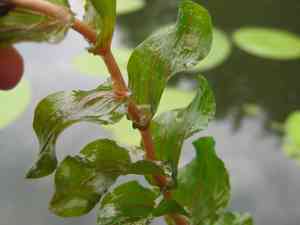
The optimal period for relocating clasped pondweed spans from the vigor of late spring to the heat of mid-summer. Select an aquatic environment that receives full sun to partial shade for consistent development. Should it be required, carefully secure the plants to avert displacement.
What Preparations are Needed Before Transplanting Clasped Pondweed?
What is the Ideal Time for Transplanting Clasped Pondweed?
The best time to move clasped pondweed is in early spring as it transitions into summer. This period offers mild temperatures and consistent daylight, promoting strong root development. Transplanting clasped pondweed then takes advantage of its peak growth phase, ensuring a smooth move and healthy plant growth.
How Much Space Should You Leave Between Clasped Pondweed Plants?
When relocating clasped pondweed, it's wise to provide ample room for each plant to thrive. Aim for a spacing of approximately 12-18 inches (30-45 cm) between them. This ensures they have sufficient area to grow without competing for essential nutrients or sunlight.
What is the Best Soil Mix for Clasped Pondweed Transplanting?
For clasped pondweed, the substrate should be fertile and drain well. A loamy soil type is perfect. Before moving, mix a balanced, slow-release fertilizer into the soil to give your clasped pondweed a nutrient-rich start. A general-purpose fertilizer works well for beginners.
Where Should You Relocate Your Clasped Pondweed?
Choose a location for your clasped pondweed where it will receive full to partial sun. This means a spot that gets at least four hours of direct sunlight most days. Clasped pondweed loves the sun, but a bit of shade during the hottest part of the day is also beneficial.
What Equipments Should You Prepare Before Transplantation Clasped Pondweed?
Aquatic Planting Baskets
To contain clasped pondweed's root system and prevent uncontrolled spreading.
Gardening Gloves
To safeguard your hands while handling soil and the plant.
Watering Can or Hose
To gently irrigate clasped pondweed post-transplant.
Pond Plant Fertilizer Tabs
To supply essential nutrients for clasped pondweed's growth after relocation.
Pond Net or Skimmer
To remove debris from the water, providing a clean habitat for clasped pondweed.
Substrate or Pond soil
Specifically for aquatic plants, to offer a stable foundation for clasped pondweed.
How Do You Remove Clasped Pondweed from the Soil?
How Do You Remove Clasped Pondweed from the Soil?
From Pot or Aquatic Basket: Carefully extract clasped pondweed by tilting the container and letting the plant, soil, and root ball slide out. Handle with care to minimize root disturbance.From Seedling Tray: If clasped pondweed began in a seedling tray, gently scoop out the plantlets using a small tool or spoon, ensuring the entire root system is intact with minimal damage.
Step-by-Step Guide for Transplanting Clasped Pondweed
Preparation
Fill the aquatic planting basket halfway with the appropriate substrate or pond soil.
Removal
Follow the removal process to prepare clasped pondweed for transplanting without harming its root system.
Placement
Center clasped pondweed in the aquatic basket, spreading its roots evenly.
Filling
Add more substrate around clasped pondweed's roots to fully cover the root ball, leaving some space below the basket's rim.
Fertilizing
Insert a few pond plant fertilizer tabs into the soil near the root zone, as per product instructions.
Submerging
Slowly lower the basket into the pond at the correct depth for clasped pondweed, ensuring it's in a stable position.
Watering
Gently pour water over clasped pondweed in the basket to settle the substrate around the roots and eliminate any air pockets.
How Do You Care For Clasped Pondweed After Transplanting?
Growth Monitoring
Regularly observe clasped pondweed's development to ensure it's adapting well to its new environment and not showing signs of transplant shock.
Seasonal Care
Remove dead leaves in autumn to prevent excessive organic matter accumulation in the pond.
Pest Management
Inspect clasped pondweed for indications of pests or diseases and address them promptly with suitable aquatic plant-safe treatments.
Troubleshooting Common Issues with Clasped Pondweed Transplantation.
What's the best time of year to transplant clasped pondweed?
Relocate clasped pondweed during the warmer period, from late spring to mid-summer, for optimal root establishment.
How far apart should I space clasped pondweed when transplanting?
Allow clasped pondweed ample room by spacing transplants 12-18 inches apart (30-46 cm).
Should I amend the soil before transplanting clasped pondweed?
Enhance your pond's substrate with organic material to promote successful clasped pondweed transplantation.
My clasped pondweed transplants look wilted, what could be wrong?
Wilted clasped pondweed may indicate root stress; ensure careful handling and sufficient water after transplantation.
Can I transplant clasped pondweed in full sunlight?
Yes, clasped pondweed thrives in full sun but needs gradual acclimatization to intense light post-transplant.
How deep should I plant clasped pondweed in the pond?
Anchor clasped pondweed deep enough so its roots are securely buried, but its leaves can reach sunlight.
What's the ideal water temperature for transplanting clasped pondweed?
Aim for a stable water temperature, ideally between 59-77°F (15-25°C), during clasped pondweed's transplantation period.
How do I handle clasped pondweed during transplantation to avoid damage?
Gently support clasped pondweed's root ball during transplantation, avoiding excessive pressure to prevent damage.
Why isn't my clasped pondweed growing after transplantation?
Stagnant growth might be due to transplant shock. Give clasped pondweed time to adjust, and ensure proper care.
How much should I water clasped pondweed after transplanting?
Submerged clasped pondweed won't require traditional watering, but ensure consistent pond water levels to stabilize the plants.



