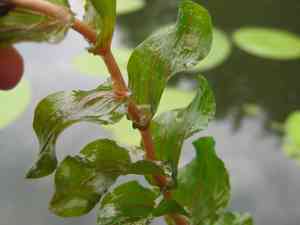
Clasped pondweed (Potamogeton perfoliatus)
Also known as: Perfoliate pondweed
Duckweed, a small floating plant often found in ponds, serves as a nutritious food source for waterfowl and offers habitat for various wildlife. While commonly used in aquatic settings for these benefits, duckweed can become invasive, covering water surfaces and disrupting local ecosystems. It is recognized in the Global Invasive Species Database for its potential to become problematic.
In This Article
Attributes of Clasped pondweed
Lifespan
Perennial
Plant Type
Herb
Plant Height
3 m
Spread
Not applicable
Leaf Color
Green
Flower Size
1 cm to 3 cm
Flower Color
Greenish
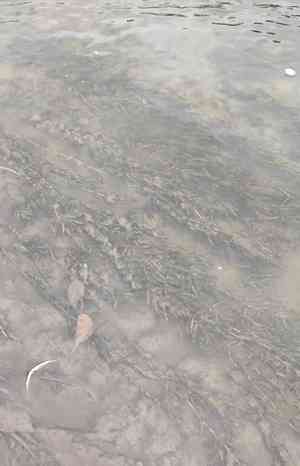
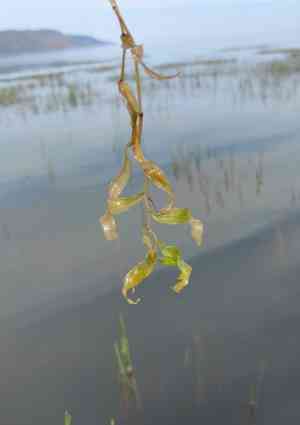
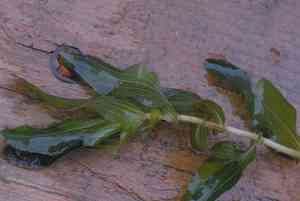
Images of Clasped pondweed

Quickly Identify Clasped pondweed
1
Potamogeton perfoliatus can be identified by its broad, perfoliate leaves that clasp around the stem and its slender, unbranched stems. The leaves are typically submerged, and the plant produces small, inconspicuous flowers that bloom above the water surface.
Scientific Classification of Clasped pondweed
Phylum
Vascular plants
Class
Monocotyledons
Order
Alismatales
Family
Pondweed
Genus
pondweeds
Species
Clasped pondweed
Planting and Growing of Clasped pondweed
Care Difficulty
Easy
Watering Schedule
Every 4 days
Sunlight Requirements
Partial sun
Sunshine Duration
6-10 hours
Ideal Temperature
59-77℉
Soil Type
Potting Mix, Peat Mix
Soil pH
6.5-7.5
Fertilizer Type
Balanced
Pruning Season
Spring, Summer
Pruning Area
Branches, Leaves
Pruning Frequency
2 times a year
Repotting Season
Spring
Pot Type
Plastic, Ceramic
 How to Water Clasped pondweed?
Potamogeton perfoliatus typically requires a generous watering amount of about 500 ml per session. Ensure that the water reaches all the way through the substrate, mimicking its natural aquatic environment. This plant thrives with consistent moisture levels, so it's essential to maintain these conditions to promote healthy growth and survival.
What are the symptoms of an underwatered Clasped pondweed?
›
What should I do if my Clasped pondweed is not getting enough water?
›
What are the symptoms of an overwatered Clasped pondweed?
›
How to save an overwatered Clasped pondweed?
›
 What Are the Sunlight Requirements for Clasped pondweed?
Partial sun, ensuring Potamogeton perfoliatus receives dappled light. Ideal lighting promotes healthy growth patterns, robust leaf development, and sustainable energy absorption, enhancing its vitality in aquatic settings.
More About Sunlight Requirements Techniques→
What is the best lighting environment for Potamogeton perfoliatus?
›
How can I achieve the ideal lighting conditions for Potamogeton perfoliatus?
›
What are the benefits of providing ideal lighting conditions for Potamogeton perfoliatus?
›
 What Is the Ideal Temperature Range for Clasped pondweed?
The ideal temperature range for Potamogeton perfoliatus is between 59°F and 77°F. This range supports optimal growth, allowing the plant to effectively photosynthesize and maintain its physiological functions. Providing this temperature range ensures that the plant has the best chance for success in terms of health and development.
 What Soil is Best for Clasped pondweed?
Potamogeton perfoliatus thrives in soils that can retain plenty of moisture, as this aquatic plant is naturally found in water-rich environments. Good moisture retention ensures the plant is hydrated and promotes healthy growth. Nutrient-rich soils enhance the growth of Potamogeton perfoliatus. These plants absorb a wide range of nutrients from the soil, supporting robust foliage and flowering. Loamy soil enriched with organic matter is particularly beneficial. Despite being an aquatic plant, the roots of Potamogeton perfoliatus still require well-aerated soil to prevent rotting. Sandy loam with its good aeration properties can help maintain the health of the root system.
 How to Fertilize Clasped pondweed?
Potamogeton perfoliatus is a submerged aquatic plant that benefits from careful fertilization. Use liquid fertilizer with a balanced N-P-K ratio of around 10-10-10. Apply at half the recommended dose for terrestrial plants, approximately 5 ml per gallon of water, every two weeks. This ensures the plant receives sufficient nutrients without overloading the aquatic ecosystem.
 How to Prune Clasped pondweed?
Begin by removing any diseased, yellow, or brown leaves. This helps prevent the spread of disease and gives the plant a better chance to thrive. Carefully trim away excessive growth that might be preventing light from reaching other parts of the plant. Ensure you do not over-prune, as this can stress the plant and hinder its recovery. After removing unwanted parts, refine the plant's shape to maintain an aesthetic underwater garden look. The goal should be to keep a balance between healthy growth and visual appeal.
More About Pruning Techniques→
 How to Propagate Clasped pondweed plant?
1
Select healthy parent plants from Potamogeton perfoliatus. Using clean, sharp tools, collect seeds, cuttings, or divide the plant. Ensure that each cutting is at least 10 cm in length with several nodes.
2
Use a nutrient-rich, well-draining medium specifically formulated for aquatic plants. Fill your planting tray or pots with this mixture, being careful to leave space for your seeds or cuttings.
3
Carefully place the seeds or cuttings into the prepared medium. Maintain a consistent moisture level, ensuring the soil is damp but not waterlogged. Use a gentle spray to avoid disturbing the planted material.
 How to Repot Clasped pondweed plant?
1
Potamogeton perfoliatus, or Perfoliate Pondweed, requires repotting when it begins to outgrow its container, which is often indicated by roots visibly encircling the pot's perimeter or the plant experiencing stunted growth. Optimal repotting times occur in spring or early summer, aligning with the plant's growing season, when it is most resilient to changes. Repotting during this active phase supports better recovery and growth in the new environment.
2
Selecting the right pot for Potamogeton perfoliatus involves choosing a container that is slightly larger than the current one to accommodate growth but not excessively large, as this can retain too much water and cause root rot. Ensure the pot has adequate drainage holes, which is crucial for preventing waterlogged conditions detrimental to aquatic plants. A weighted mesh pot is also a viable option as it helps the plant stay submerged in its aquatic or semi-aquatic environment.
3
Choosing the appropriate soil for Perfoliate Pondweed involves opting for an aquatic potting mix, which is specifically formulated for water plants. These mixes allow for ample water exchange and provide essential nutrients without clouding the water. Utilizing the correct soil type reduces the risk of nutrient deficiencies and enhances the overall health and growth of the pondweed in its water environment.



