How to Prune Clasped pondweed?
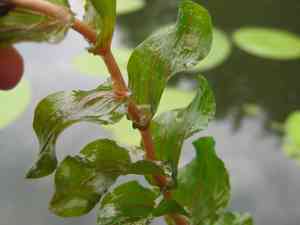
Clasped pondweed, a submerged aquatic plant characterized by its unique oval, embracing leaves, thrives with judicious trimming to ensure proper water circulation and light access. Remove any excessively grown or deteriorating leaves in spring or summer, employing sharp, sanitized cutting tools to foster robust new development. This trimming practice promotes a more compact leaf structure and prevents congestion, which is vital for sustaining a healthy environment for aquatic life. Avoid over-pruning to safeguard the plant's inherent ecological roles.
What Are the Benefits of Pruning Clasped Pondweed?
What Are the Benefits of Pruning Clasped Pondweed?
Trimming clasped pondweed promotes robust development and helps preserve its intended shape, preventing excessive growth that could overshadow other aquatic species.
What Is the Best Time for Pruning Clasped Pondweed?
What Is the Best Time for Pruning Clasped Pondweed?
Pruning in spring aligns with clasped pondweed's initial growth phase, helping maintain its vitality by removing dead or damaged foliage from winter. In early summer, trimming enhances light penetration and water flow, crucial for clasped pondweed's well-being. This schedule avoids disrupting clasped pondweed's late-summer and fall fruiting period, leveraging post-winter recovery and pre-summer growth, ensuring minimal stress and maximum plant benefit.
What Tools Do I Need to Prune Clasped Pondweed?
Long-handled Aquatic Shears
These are recommended for clasped pondweed due to their ability to reach into the water without significantly disturbing the aquatic environment. Clasped pondweed often grows in deeper water, and long-handled shears allow for trimming without the need for a gardener to enter the water.
Aquatic Weed Rake
This tool can be particularly effective for removing larger clumps of clasped pondweed that might be encroaching on other areas. The rake allows for pulling out excessive growth from the root, which is beneficial for controlling the spread.
Pond Scissors
For precision work and the removal of small amounts of foliage, pond scissors are suitable. These are particularly handy for clasped pondweed as they offer greater control when pruning individual stems or leaves.
Aquatic Weed Cutter
For managing and harvesting larger areas of clasped pondweed, an aquatic weed cutter can help slice through stems efficiently. This is particularly useful when performing larger scale pruning or when preparing to overwinter the pond.
How to Prune Clasped Pondweed
Identify and prepare
Locate the diseased, withered leaves and affected stems on clasped pondweed that require trimming. Ensure all necessary tools, such as aquatic plant shears or scissors, are clean and sharp to prevent disease spread and minimize plant stress.
Cutting diseased leaves
Remove diseased and withered leaves from clasped pondweed by cutting at the base where the leaf meets the stem. Be as precise as possible to avoid damaging the healthy parts of the plant.
Cutting diseased stems
Trim any diseased stems on clasped pondweed just above a node or a healthy leaf to encourage new growth. Ensure that the cut is clean and made at a 45-degree angle to facilitate healing and prevent water from accumulating on the cut surface.
Disposal
Carefully remove and properly dispose of all removed parts of clasped pondweed to prevent the spread of disease. Do not compost plant material that is diseased as this can contaminate the compost.
Cleanup and monitor
Clean all tools used for pruning clasped pondweed with a bleach solution to kill any lingering pathogens and prevent disease spread. After pruning, monitor clasped pondweed regularly for new signs of disease or wilting.
Common Pruning Mistakes with Clasped Pondweed
Over pruning
Removing too much vegetation from clasped pondweed can result in stress and stunted growth, as it relies on its leaves for photosynthesis.
Ignoring dead material
Failure to remove dead or decaying material can hinder water and light penetration, which is vital for clasped pondweed's health and growth.
Cutting too close
Cutting the stems of clasped pondweed too close to the root or crown can damage the plant's ability to regrow and thrive.
Inadequate tools
Using dull or dirty tools can cause jagged cuts and introduce diseases to clasped pondweed, affecting its overall health.
Irregular pruning
Pruning clasped pondweed in an irregular or haphazard manner can lead to uneven growth and an unsightly appearance.
Common Pruning Tips for Clasped Pondweed
Clean cuts
Make clean cuts on clasped pondweed's stems, which can prevent damage and disease. Ensure tools are sharp and sterilized before use.
Moderation
Prune clasped pondweed with moderation, removing only the necessary amount of growth to maintain plant health and desired size.
Dead material removal
Regularly clear away dead or dying foliage of clasped pondweed to maintain adequate light and oxygen levels in the water, which is essential for its growth.
Maintain shape
While pruning clasped pondweed, aim to maintain a natural-looking shape to enhance its aesthetic appearance and promote uniform growth.
Post-pruning care
After pruning clasped pondweed, monitor the plant's response over the next few days, and provide additional care if signs of stress are observed.



