How to Transplant Pontederia sagittata?
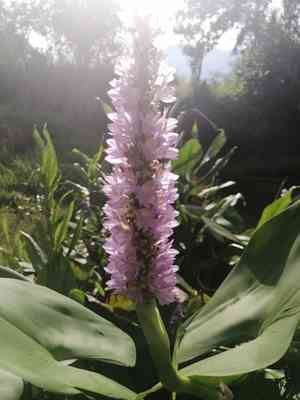
Pontederia sagittata establishes most effectively when relocated from the beginning to the end of spring, flourishing in bright, moist environments. Select a site offering some shade and acidic ground. Guarantee proper water runoff to aid new root development throughout this crucial phase.
What Preparations are Needed Before Transplanting Pontederia Sagittata?
What is the Ideal Time for Transplanting Pontederia Sagittata?
Pontederia sagittata, a perennial, is best moved during early to late spring. This period allows for optimal root establishment and development, leveraging abundant moisture and mild temperatures. Transplanting then boosts survival, encourages strong growth, and prepares the plant for vigorous summer expansion while minimizing shock.
How Much Space Should You Leave Between Pontederia Sagittata Plants?
When relocating pontederia sagittata, position each plant 18-24 inches (45-60 cm) apart. This provides ample room for growth and prevents competition for resources.
What is the Best Soil Mix for Pontederia Sagittata Transplanting?
Prepare the soil for pontederia sagittata by selecting a well-draining loamy or sandy type. Before moving, incorporate a balanced base fertilizer to supply essential nutrients. Compost or a slow-release formula works excellently!
Where Should You Relocate Your Pontederia Sagittata?
Choose a new spot for pontederia sagittata that receives full sunlight for at least 6-8 hours daily. This ensures they get the energy required for healthy development.
What Equipments Should You Prepare Before Transplantation Pontederia Sagittata?
Gardening Gloves
To shield your hands while handling soil and the plant.
Spade or Shovel
For excavating around the plant and creating the new planting hole.
Garden Fork
To loosen the soil surrounding the plant's roots.
Watering Can or Hose
To hydrate the plant before and after its relocation.
Wheelbarrow
To move the plant if the distance is significant.
Mulch
To help maintain soil moisture post-transplanting.
Plant Marker
To identify the plant's new position in your garden.
How Do You Remove Pontederia Sagittata from the Soil?
How Do You Remove Pontederia Sagittata from the Soil?
From Ground: First, moisten the soil around the pontederia sagittata plant. Then, dig a wide trench around the plant using a spade or shovel, ensuring the root ball stays intact. Carefully work the spade beneath the root ball to lift the plant from its original spot.From Pot: Water the pontederia sagittata plant to ensure the soil is damp. Gently tilt the pot on its side and tap the bottom to loosen the plant. Carefully slide the plant and its root ball out of the pot, supporting the root ball as you do so.From Seedling Tray: Water the pontederia sagittata seedlings to dampen the soil. Gently push up from the base of each cell to release the seedlings, taking care to support the root ball and avoid damaging the delicate roots.
Step-by-Step Guide for Transplanting Pontederia Sagittata
Prepare the Site
Select the new location for your pontederia sagittata plant and prepare it by loosening the soil and removing any weeds.
Dig the Hole
Excavate a hole in the new spot that is twice as wide and as deep as the root ball of the pontederia sagittata plant.
Amend the Soil
If necessary, enrich the soil in the hole with organic compost to provide a fertile environment for the pontederia sagittata roots to grow.
Place the Plant
Carefully position the pontederia sagittata plant into the hole, ensuring it is at the same depth as it was in its previous location.
Fill the Hole
Backfill the hole with soil, gently pressing down to eliminate air pockets and provide stability for the pontederia sagittata plant.
Water Thoroughly
Water the pontederia sagittata plant thoroughly at its base to help settle the soil and provide moisture to the roots.
How Do You Care For Pontederia Sagittata After Transplanting?
Watering
Keep the soil around the pontederia sagittata consistently moist, but not waterlogged, for the initial weeks after transplanting to aid in strong root establishment.
Mulching
Apply a layer of mulch around the base of the pontederia sagittata plant to retain moisture and regulate soil temperature.
Monitoring
Observe the pontederia sagittata plant for signs of transplant shock, such as wilting or yellowing leaves, and provide extra care as needed.
Support
If the pontederia sagittata plant is tall or top-heavy, consider adding a stake or support to help it remain upright while it establishes in its new location.
Troubleshooting Common Issues with Pontederia Sagittata Transplantation.
When is the best time to transplant pontederia sagittata?
Early to late spring is ideal for relocating pontederia sagittata for optimal growth and health.
How much space should be between pontederia sagittata plants?
Ensure 18-24 inches (45-60 cm) of space between each pontederia sagittata plant for healthy development.
What type of soil is best for pontederia sagittata?
Pontederia sagittata thrives in moist, well-drained soil rich in organic matter. Avoid dry, sandy soils.
How should I prepare the planting site for pontederia sagittata?
Loosen soil to a depth of 8-10 inches (20-25 cm) and mix in compost for improved root development.
Should I water pontederia sagittata immediately after transplanting?
Yes, thoroughly water pontederia sagittata post-transplant to help settle roots and minimize transplant shock.
Do I need to prune pontederia sagittata before transplanting?
Remove any damaged or diseased leaves before transplanting to direct energy towards new root growth.
How can I prevent root damage during transplanting?
Gently remove pontederia sagittata from its pot or ground and handle the root ball with care to prevent damage.
Is mulching necessary after transplanting pontederia sagittata?
Mulching around pontederia sagittata helps maintain soil moisture, regulate temperature, and reduce weed growth.
What should I do if pontederia sagittata shows signs of transplant shock?
Keep soil consistently moist, provide shade if necessary, and apply a balanced, water-soluble fertilizer.
How deep should I plant pontederia sagittata during transplanting?
Plant pontederia sagittata at the same depth it was originally growing to prevent stress and promote stability.



