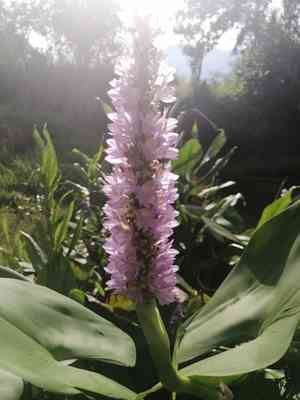
Pontederia sagittata (Pontederia sagittata)
Also known as: Arrowhead, Pickerelweed
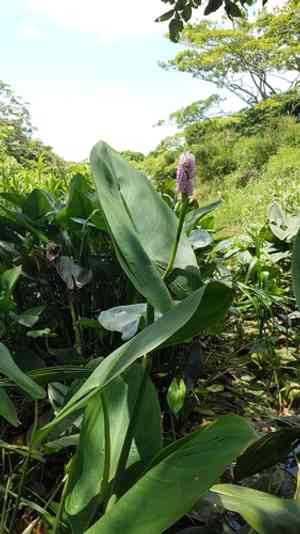
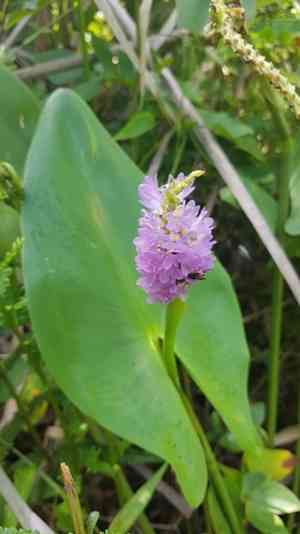
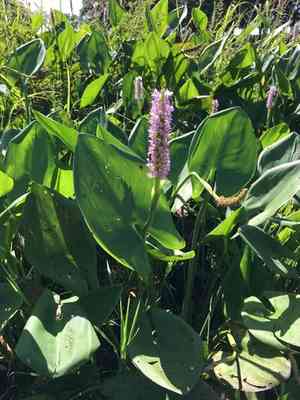
Pontederia sagittata showcases a graceful arrow-shaped foliage, rising from water or soggy soils, typically found in calm freshwater habitats. Its distinct leaves and long stems may reach towards the sky, while below the surface, creeping rhizomes anchor it securely. The plant’s resilience is complemented by modest violet blooms that add a gentle splash of color to its lush green backdrop.
In This Article
Attributes of Pontederia sagittata
Lifespan
Perennial
Plant Type
Herb
Plant Height
0.5 to 1.5 meters
Spread
1 to 1.5 meters
Leaf Color
Green
Flower Size
2 to 3 centimeters
Flower Color
Blue-purple
Images of Pontederia sagittata
Quickly Identify Pontederia sagittata
1
Look for arrowhead-shaped leaves with tall stalks that produce spike-like clusters of blue-purple flowers. It usually thrives in shallow waters and forms dense clumps.
Scientific Classification of Pontederia sagittata
Phylum
Vascular plants
Class
Monocotyledons
Order
Commelinales
Family
Water-hyacinth
Genus
Pontederia
Species
Pontederia sagittata
Planting and Growing of Pontederia sagittata
Care Difficulty
Easy
Watering Schedule
Every 12 days
Sunlight Requirements
Full sun
Sunshine Duration
6-10 hours
Ideal Temperature
66-79℉
Soil Type
Potting Mix, Peat Mix
Soil pH
6.5-7.5
Fertilizer Type
Balanced
Pruning Season
Spring, Summer
Pruning Area
Branches, Leaves
Pruning Frequency
2 times a year
Repotting Season
Spring
Pot Type
Plastic, Terracotta
 How to Water Pontederia sagittata?
When it comes to watering Pontederia sagittata, it thrives in consistently moist soil without being waterlogged, requiring about 250ml each time. This ensures the plant's roots remain hydrated, promoting lush growth and vibrant foliage. Water thoroughly, letting excess drain away, avoiding both dehydration and root rot.
What are the symptoms of an underwatered Pontederia sagittata?
›
What should I do if my Pontederia sagittata is not getting enough water?
›
What are the symptoms of an overwatered Pontederia sagittata?
›
How to save an overwatered Pontederia sagittata?
›
 What Are the Sunlight Requirements for Pontederia sagittata?
Pontederia sagittata appreciates a balance of full sun and partial shade. This balance fosters robust flowering and strong growth, which are signs of a healthy and thriving plant.
What is the ideal sunlight exposure?
›
How can I achieve the ideal light conditions?
›
What benefits does ideal lighting offer?
›
 What Is the Ideal Temperature Range for Pontederia sagittata?
Pontederia sagittata thrives in temperatures ranging from 66°F to 79°F. Within this range, the plant can efficiently photosynthesize, grow, and thrive without environmental stress. Cultivating them within this optimal temperature band ensures vibrant growth and robust health, minimizing exposure to stress-related diseases and disorders.
 What Soil is Best for Pontederia sagittata?
Pontederia sagittata thrives in soil that maintains consistent moisture levels. This helps in preventing the plant from drying out, ensuring lush growth and vibrant flowering. A nutrient-rich soil supports the robust growth of Pontederia sagittata, providing necessary elements like nitrogen and phosphorus, which are crucial for healthy leaf and flower development. Although this plant enjoys moist conditions, it's imperative that the soil offers good drainage to prevent waterlogging, which could lead to root rot, promoting healthy root systems.
 How to Fertilize Pontederia sagittata?
For Pontederia sagittata, it’s vital to use a balanced fertilizer containing equal parts nitrogen, phosphorus, and potassium. Each application should use approximately 1 tablespoon per gallon of water for liquid fertilizers, ensuring even distribution without overwhelming the plant.
 How to Prune Pontederia sagittata?
Begin by identifying any dead or diseased stems and leaves. Removing these parts prevents the spread of disease and allows the plant to channel energy to healthier parts. Once dead parts are cleared, trim back excess growth that might cause overcrowding. Focus on cutting just above a leaf node to encourage bushier growth. Shape the plant by cutting back any uneven stems, creating a balanced appearance. This also ensures better air circulation within the plant. After pruning, make sure to collect and dispose of all cuttings. This prevents any chance of disease lingering around the base of the plant.
More About Pruning Techniques→
 How to Propagate Pontederia sagittata plant?
1
To propagate using seeds, first collect mature seeds from the plant in late summer. These seeds are viable and should be cleaned to remove any external debris before planting.
2
Choose a potting mix with good drainage for planting seeds or divisions. Pre-moisten the soil to support seed germination or root establishment during planting.
3
For seeds, plant them in seed trays about 1/4 inch deep. For division, carefully separate established root clumps and plant each division in a prepared soil bed.
 How to Repot Pontederia sagittata plant?
1
Pontederia sagittata needs repotting when you notice roots emerging from the drainage holes or when growth slows despite optimal conditions. This indicates that the plant has outgrown its current pot, and a new space is essential for continued health and growth.
2
Select a new pot that is slightly larger than the current one, providing ample space for root growth. Opt for pots with excellent drainage, as Pontederia sagittata thrives in well-drained conditions. This will help prevent water-logging, which can be detrimental to the plant's health.
3
Use a rich, loamy potting mix that provides good drainage and aeration. This type of soil ensures that the plant's roots have access to the right balance of nutrients and prevent root rot caused by excess moisture.
Learn More About Pontederia sagittata Diseases
Anthracnose
Bacterial Leaf Spot
Bacterial Soft Rot
Bacterial Wilt
Crown Gall
Cyst Nematode
Damping-off
Downy Mildew
Drought Stress
Fusarium Wilt
Gray Mold
Leaf Spot
Mosaic
Nutrient Deficiency
Nutrient Toxicity
Powdery Mildew
Root Rot
Root-knot Nematode
Rusts
Sooty Mold
Spider Mites
Temperature Stress
Thrips Damage
White Mold



