How to Prune Pontederia sagittata?
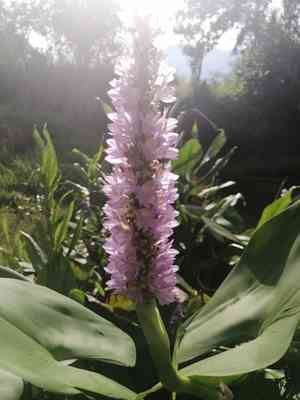
This water-dwelling perennial, recognized for its blade-like foliage and purple-blue blossoms, thrives with deliberate trimming. Cut back pontederia sagittata during late winter or early spring, prior to the emergence of fresh shoots. Regularly eliminate any deceased, injured, or infected leaves to foster robust development and visual attractiveness. Trimming not only preserves its form and dimensions but also boosts flowering. Severing spent flower stalks after blooming deters seed production, channeling vitality towards root expansion. Regular pruning maximizes the plant's general well-being and strength.
Advantages of Trimming Pontederia Sagittata
Advantages of Trimming Pontederia Sagittata
Pontederia sagittata thrives with pruning, promoting robust growth and maintaining its form. Trimming encourages vigorous development, enhances blooms, manages plant size, improves aesthetics, and aids in pest and disease resistance. Regular pruning ensures pontederia sagittata stays in peak health and visual condition.
Optimal Time for Pruning Pontederia Sagittata
Optimal Time for Pruning Pontederia Sagittata
Early spring and late winter are considered ideal for pruning pontederia sagittata as these periods align with its growth cycle. Pruning at these times stimulates strong new growth and helps maintain plant health by removing any dead or diseased wood before the active growing season. This timing also ensures the plant has sufficient energy for recovery and subsequent flowering or fruiting.
Essential Tools for Pruning Pontederia Sagittata
Bypass Pruners
Bypass pruners are perfect for precise cuts on young shoots and smaller stems of pontederia sagittata. They create clean cuts, aiding quicker healing.
Long-handled Loppers
For thicker stems and hard-to-reach areas, long-handled loppers provide increased leverage and cutting power without harming the plant.
Pruning Saw
A pruning saw is crucial for cutting larger, woody stems that bypass pruners or loppers cannot manage, ensuring smooth cuts.
Horticultural Gloves
These gloves shield your hands from any potential sharp edges or irritants when handling pontederia sagittata.
How to Prune Pontederia Sagittata
Evaluate
Inspect pontederia sagittata for any diseased or withered leaves. Look for discoloration, spots, or signs of decay.
Sterilize
Clean and sterilize your pruning tools to prevent disease spread. Use a solution of one part bleach to nine parts water.
Remove Unhealthy Leaves
Carefully cut away any diseased leaves at the base, ensuring not to harm healthy parts of pontederia sagittata. Properly dispose of diseased leaves to avoid contamination.
Remove Dried Leaves
Trim any withered leaves close to the base. Use sharp, clean shears for precise cuts.
Discard and Clean
Dispose of all trimmed parts responsibly. Clean your tools again to ensure they are ready for future use.
Common Pruning Errors with Pontederia Sagittata
Excessive Pruning
Removing too much foliage and stems, which can weaken the plant and reduce its ability to photosynthesize and bloom effectively.
Incorrect cutting technique
Using dull or unsuitable tools that tear or damage the plant instead of making clean cuts. This can lead to disease and pest infestations.
Neglecting dead or damaged parts
Failing to remove dead, diseased, or damaged parts of the plant, which can impede growth and spread infection or disease.
Unplanned pruning
Pruning without a clear strategy or understanding of the plant's growth pattern, which can result in an unbalanced and unattractive appearance.
General Pruning Advice for Pontederia Sagittata
Use sharp, clean tools
Ensure all pruning tools are sharp and sterilized to make clean cuts and minimize the risk of disease transmission.
Follow the natural shape
Prune in a way that maintains the natural shape and structure of pontederia sagittata, helping it to grow more naturally and vigorously.
Remove dead and damaged parts
Focus on removing any dead, diseased, or damaged stems and leaves first to promote healthy growth and prevent potential problems.
Prune for airflow
Trim excess foliage to improve airflow through the plant. This helps reduce the risk of fungal diseases and promotes overall plant health.
Cut at the right place
Make your cuts just above a node or bud to encourage new growth. Avoid leaving stubs, as these can be entry points for pests and diseases.
Limit the amount
Only remove up to a third of the plant's foliage in a single pruning session to avoid over-stressing the plant.



