How to Propagate Pontederia sagittata?
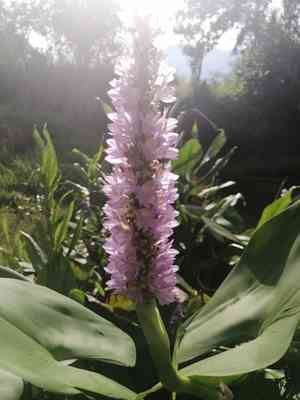
Originating from marshy environments, pontederia sagittata flourishes in saturated soil. Guarantee the growing medium remains perpetually damp, preferring mucky foundations over arid or sandy ones. To propagate by seeding, scatter seeds on the surface of pots containing a moisture-retaining substrate. Maintain a thin film of water over the seeds. Relocate with caution to prevent root disruption, ideally placing them in shallow aquatic settings or wetland gardens.
When Is the Best Time to Propagate Pontederia Sagittata?
Propagation Method
Seeding
Propagation Period
Spring
What Equipment Is Used in Pontederia Sagittata Propagation?
Seed Trays
Seed trays offer a regulated setting for planting pontederia sagittata seeds, promoting ideal germination conditions. They assist in maintaining soil structure and moisture, which are vital for the initial growth phases.
Seed Starting Mix
A premium seed starting mix provides a sterile, well-draining medium that fosters robust root growth for pontederia sagittata. This blend typically includes components like peat moss and perlite to aid moisture retention and aeration.
Spray Bottles
Spray bottles ensure gentle and uniform moisture distribution across the seed tray surface, preventing soil displacement, which is crucial for the delicate seeds of pontederia sagittata. Consistent humidity is key for successful seed germination.
Heating Mats
Heating mats deliver consistent bottom warmth to seed trays, replicating the warm soil conditions that pontederia sagittata needs for germination. This tool is essential for maintaining the optimal temperature range for seed sprouting.
Humidity Domes
Humidity domes establish a micro-environment within seed trays, sustaining high humidity levels necessary for pontederia sagittata seed germination. They help in reducing moisture loss and offer protection against sudden environmental shifts.
Labels and Markers
Accurate labeling aids in tracking sowing dates and identifying various seed varieties of pontederia sagittata, ensuring proper care and monitoring throughout the propagation process.
Seed Dibber
A seed dibber is utilized to create precise planting holes for pontederia sagittata seeds, ensuring consistent sowing depth. This tool is important for achieving uniform germination and growth rates.
pH Meter
A pH meter helps in monitoring the soil pH, which is critically important for pontederia sagittata to ensure that the growing medium has the correct acidity or alkalinity for optimal nutrient absorption.
How to Propagate Pontederia Sagittata?
Propagation Type
Simple
How to Care for Your Newly Propagated Pontederia Sagittata?
How to Care for Your Newly Propagated Pontederia Sagittata?
Once germinated, carefully transfer seedlings into individual larger containers or directly into the garden when they are robust enough. Keep the soil consistently damp and provide partial to full sunlight. Regularly check for pests and diseases, and apply a balanced, water-soluble fertilizer to encourage healthy development. Ensure good air circulation around the plants to prevent fungal issues.
Common Mistakes to Avoid When Propagating Pontederia Sagittata
Improper Soil
Using soil that is too dry or lacks nutrients can hinder root development.
Overwatering
Excessive watering can lead to root rot and fungal problems.
Incorrect Light Conditions
Providing too much direct sunlight can scorch the plant, while insufficient light can impede growth.
Neglecting Water Quality
Using chlorinated or impure water can harm the plant's health and affect propagation success.
Incorrect Plant Division
Improperly dividing the plant can damage roots and reduce the chances of successful propagation.
Tips For Propagating Pontederia Sagittata
Optimal Soil
Utilize moist, nutrient-rich soil to promote healthy root development.
Proper Water Management
Ensure the soil is damp but not waterlogged; avoid standing water.
Light Balance
Provide partial shade to ensure adequate light without scorching the leaves.
Pure Water
Use dechlorinated or rainwater to prevent chemical damage to the plant.
Correct Division
Carefully divide the plant ensuring each section has ample roots to facilitate successful propagation.



