How to Transplant Narrowleaf swordfern?
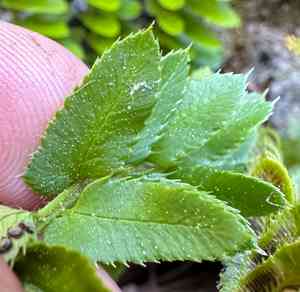
Narrowleaf swordfern is most successfully relocated from late winter through early spring, enabling the plant to become rooted prior to the summer warmth. Select a site with partial shade and good drainage to facilitate its best development.
What Preparations are Needed Before Transplanting Narrowleaf Swordfern?
What is the Ideal Time for Transplanting Narrowleaf Swordfern?
The best period for relocating narrowleaf swordfern is during early to mid-spring or early to late winter. Moving the plant at these times ensures it benefits from cooler temperatures and increased moisture, which aids root establishment and minimizes transplant shock. Proper timing leads to healthier growth and improved resilience for narrowleaf swordfern.
How Much Space Should You Leave Between Narrowleaf Swordfern Plants?
For narrowleaf swordfern, aim for a separation of approximately 24 inches (60 cm) between individual plants. This provides sufficient room for each plant to develop and spread without becoming overcrowded.
What is the Best Soil Mix for Narrowleaf Swordfern Transplanting?
Prepare soil that drains well and is rich in organic material. A combination of garden soil and compost works effectively. Adding a slow-release fertilizer at the base can give narrowleaf swordfern a strong start.
Where Should You Relocate Your Narrowleaf Swordfern?
Move narrowleaf swordfern to a spot that receives partial to full shade. Steer clear of direct, intense sunlight as it can harm the plant. A cool, shaded area beneath larger trees is ideal.
What Equipments Should You Prepare Before Transplantation Narrowleaf Swordfern?
Gardening Gloves
To safeguard your hands while handling soil and the plant.
Shovel or Spade
For digging around the plant and creating a new hole.
Garden Fork
To help loosen the soil around the plant if necessary.
Watering Can
To hydrate the plant before and after its relocation.
Mulch
To assist in retaining soil moisture post-transplanting.
Optional Root Ball Burlap
To wrap around the root ball for extra protection during relocation, especially for larger specimens.
How Do You Remove Narrowleaf Swordfern from the Soil?
How Do You Remove Narrowleaf Swordfern from the Soil?
From Ground: First, water the narrowleaf swordfern plant to moisten the soil. Next, dig a wide trench around the plant using a shovel or spade, ensuring the plant's root ball remains intact. Carefully work the spade beneath the root ball to lift the plant from its original spot.From Pot: Gently tap the pot's sides to loosen the soil. Then, carefully tip the pot and slide the narrowleaf swordfern plant out while supporting the root ball. If the plant is stuck, use a garden fork to carefully separate the roots from the pot's edges.From Seedling Tray: Water the seedlings thoroughly before transplanting. Then, use a small shovel or a spoon-like tool to gently lift each narrowleaf swordfern seedling from the tray, taking care to keep as much of the root system intact as possible.
Step-by-Step Guide for Transplanting Narrowleaf Swordfern
Site Selection
Choose a location with suitable sunlight and ample room for your narrowleaf swordfern plant to reach its mature size.
Prepare the New Site
Dig a hole slightly larger than the root ball of your narrowleaf swordfern plant. The hole should be deep enough for the plant to sit at its original growing depth.
Remove the Plant
Follow the instructions for extracting the narrowleaf swordfern plant from its initial location based on its current environment (ground, pot, or seedling tray).
Plant the narrowleaf swordfern
Position the narrowleaf swordfern plant in the center of the hole at the new site. Backfill the hole with soil, gently firming it around the root ball to eliminate air pockets.
Water Thoroughly
Immediately water the narrowleaf swordfern plant extensively to settle the soil around its roots and help minimize transplant shock.
Apply Mulch
Spread a layer of mulch around the base of the narrowleaf swordfern plant to help retain moisture and regulate soil temperature.
How Do You Care For Narrowleaf Swordfern After Transplanting?
Watering
Keep the soil around the narrowleaf swordfern consistently damp, but not waterlogged, for the initial weeks after transplanting to aid in establishing strong roots.
Monitoring
Observe the narrowleaf swordfern plant for indications of transplant shock, such as wilting or yellowing leaves. Adjust watering or provide shade if the plant appears stressed.
Mulching
Maintain the mulch layer, but ensure it is not piled against the stem of the narrowleaf swordfern plant to prevent potential rot issues.
Troubleshooting Common Issues with Narrowleaf Swordfern Transplantation.
When is the best time to transplant narrowleaf swordfern?
Relocate narrowleaf swordfern in early spring, mid-spring, or from early to late winter for optimal outcomes.
How far apart should I space narrowleaf swordfern when transplanting?
Position narrowleaf swordfern 24 inches (61 cm) apart to allow sufficient room for growth and air circulation.
What soil type is best for transplanting narrowleaf swordfern?
Narrowleaf swordfern thrives in well-draining, slightly acidic to neutral soil. Amending soil with compost promotes growth.
How much water does narrowleaf swordfern need after transplanting?
Keep soil consistently moist but not saturated. Water when the top 2 inches (5 cm) become dry.
Should I prepare the soil before transplanting narrowleaf swordfern?
Yes, enrich the soil with organic matter and ensure it is loose and crumbly to assist root establishment.
How deep should I plant narrowleaf swordfern?
Plant narrowleaf swordfern at the same depth it was growing in its original location to avoid stress.
What should I do if narrowleaf swordfern wilts after transplanting?
Ensure consistent watering and provide shade if the plant exhibits signs of wilting or stress.
Can I use fertilizer when transplanting narrowleaf swordfern?
Apply a balanced, slow-release fertilizer after transplanting to supply essential nutrients without overfeeding.
How do I minimize transplant shock for narrowleaf swordfern?
Water thoroughly before and after transplanting, handle roots gently, and avoid transplanting on hot days.
Can narrowleaf swordfern be transplanted in summer?
Avoid moving narrowleaf swordfern in summer, as high temperatures and dry conditions increase the risk of transplant shock.



