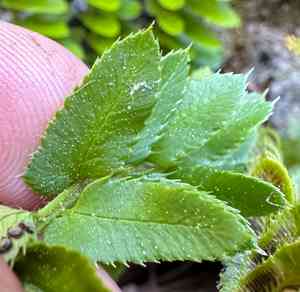
Narrowleaf swordfern (Polystichum imbricans)
Also known as: Imbricate sword fern
The narrowleaf swordfern flourishes in shady, moist environments, typically found in forest understories. It prefers the shelter provided by larger trees and thrives in well-draining soil. Its dark green, arching fronds form a dense, textured ground cover, contributing to the lushness and ecological balance of woodland areas.
In This Article
Attributes of Narrowleaf swordfern
Lifespan
Perennial
Plant Type
Fern
Plant Height
30 cm to 91 cm
Spread
Varies, typically up to 12 inches (30 cm)
Leaf Color
Dark green
Flower Size
none
Flower Color
none
Images of Narrowleaf swordfern
Quickly Identify Narrowleaf swordfern
1
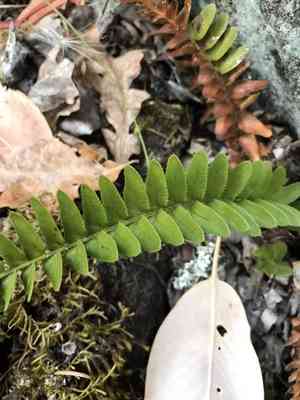
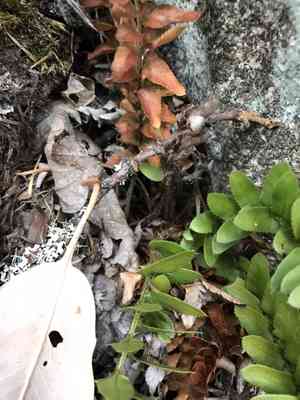
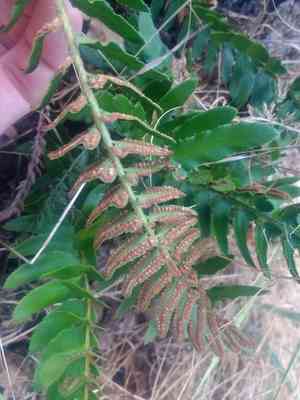
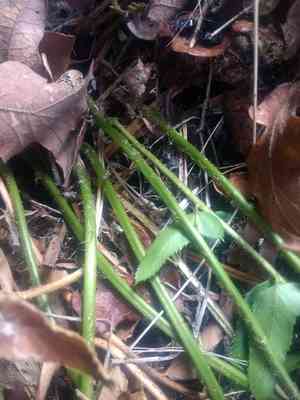
Polystichum imbricans can be identified by its tough, leathery fronds which are lance-shaped and typically pinnate (leaflets arranged in pairs along the stem). The fronds often have a characteristic shiny surface and a dark green color.
Scientific Classification of Narrowleaf swordfern
Phylum
Vascular plants
Class
Ferns
Order
Polypodiales
Family
Wood fern
Genus
christmas dagger
Species
Narrowleaf swordfern
Planting and Growing of Narrowleaf swordfern
Care Difficulty
Moderate
Watering Schedule
Every 3 days
Sunlight Requirements
Partial sun
Sunshine Duration
6-8 hours
Ideal Temperature
55-75℉
Soil Type
Potting Mix, Peat Mix
Soil pH
6.5-7.5
Fertilizer Type
Balanced
Pruning Season
Spring, Summer
Pruning Area
Branches, Leaves
Pruning Frequency
2 times a year
Repotting Season
Spring
Pot Type
Plastic, Ceramic
 How to Water Narrowleaf swordfern?
Polystichum imbricans prefers a moderate amount of water. The soil should be moist but not soaking. Water thoroughly, ensuring the top 2-3 inches of soil are wetted without pooling water at the bottom of the pot.
What are the symptoms of an underwatered Narrowleaf swordfern?
›
What should I do if my Narrowleaf swordfern is not getting enough water?
›
What are the symptoms of an overwatered Narrowleaf swordfern?
›
How to save an overwatered Narrowleaf swordfern?
›
 What Are the Sunlight Requirements for Narrowleaf swordfern?
Polystichum imbricans prefers partial shade, as it supports lush, vibrant growth, enabling the fern to maintain its decorative appeal and strong structure.
Optimal Light Location
›
Shade Tolerance
›
Balancing Light and Moisture
›
 What Is the Ideal Temperature Range for Narrowleaf swordfern?
Polystichum imbricans thrives in temperatures ranging from 55°F to 75°F. This range provides sufficient warmth for photosynthesis while preventing the plant from overheating. Consistent temperatures within this range facilitate optimal growth and contribute to the plant's overall health and resilience against environmental stressors.
 What Soil is Best for Narrowleaf swordfern?
Polystichum imbricans thrives best in well-draining soil that prevents waterlogging and root rot. A loamy or sandy loam texture provides excellent aeration and drainage, allowing the roots to access oxygen efficiently, promoting healthy growth and vitality. While drainage is crucial, retaining adequate moisture is equally important. Loamy soil provides the right balance between drainage and moisture retention, ensuring the plant receives a consistent supply of water, which is vital for its lush foliage and overall vigor. A nutrient-rich soil helps Polystichum imbricans develop its characteristic lush growth. Loam and sandy loam naturally contain organic matter, which breaks down over time, providing essential nutrients that support robust root development and lush, healthy fronds.
 How to Fertilize Narrowleaf swordfern?
Polystichum imbricans thrives best with a balanced fertilizer. For liquid fertilizers, a diluted 10-10-10 NPK formula at a quarter strength is ideal. Apply 100 ml per plant to optimize growth without overwhelming the delicate fern roots.
 How to Prune Narrowleaf swordfern?
While Polystichum imbricans can be pruned in multiple seasons, the best time to prune is during its active growing periods in spring and autumn. This ensures the plant can recover swiftly and fill in any bare spots. Focus on removing only the older, discolored, or dead fronds. Retain newer foliage as much as possible to keep the plant lush and vibrant. Snip at the base of the frond, close to the crown, to avoid stubs. After pruning, consider feeding the plant with a balanced fertilizer to encourage robust new growth. Water adequately to maintain evenly moist soil, especially after pruning sessions during drier months. Keep an eye on the plant post-pruning for any signs of stress such as wilting or browning. Ensure the Polystichum imbricans has appropriate light and watering conditions to facilitate recovery and regrowth.
More About Pruning Techniques→
 How to Propagate Narrowleaf swordfern plant?
1
Select a mature Polystichum imbricans plant that is healthy and free from diseases. Check the rhizomes and foliage for any signs of pests or fungal infections.
2
Before dividing, prepare the new planting site or pots with well-draining soil. The site should have partial to full shade, mimicking the fern's natural habitat.
3
Carefully dig up the plant, then use a sharp spade to split the rhizomes into sections. Each section should have a part of the root system and fronds attached for successful growth.
 How to Repot Narrowleaf swordfern plant?
1
Polystichum imbricans shows clear signs when it's ready for repotting. Look for roots growing out of drainage holes, or a noticeable slowdown in growth. When the plant seems cramped or the soil frequently appears dry, it’s time to consider repotting.
2
Select a pot 1-2 inches larger in diameter than the previous one. It should have ample drainage holes to prevent waterlogging. A slightly larger pot gives room for growth without overwhelming the plant, balancing stability and water retention perfectly.
3
Opt for a well-draining, rich soil blend. This kind of soil ensures roots have access to necessary nutrients while allowing excess water to escape, preventing root rot, and promoting healthy, strong growth in your Polystichum imbricans.



