How to Propagate Narrowleaf swordfern?
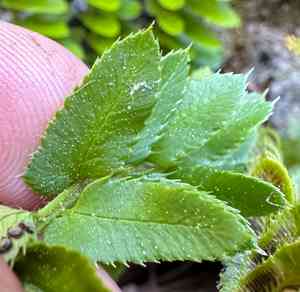
Polystichum munitum is a resilient perennial fern indigenous to the littoral zones of North America, recognized for its thick clusters of slender, deep green leaves. This variety flourishes in dim, adequately drained substrates, frequently encountered beneath forest canopies or amidst stony terrains. Multiply Polystichum munitum chiefly by splitting, making certain each segment possesses a vigorous root mass. Delicately divide during the suggested timeframe to lessen shock and foster successful growth in a different spot.
Optimal Time for Narrowleaf Swordfern Propagation
Propagation Method
Division
Propagation Period
Spring,Autumn
Tools Required for Narrowleaf Swordfern Propagation
Garden Spade
A garden spade is crucial for dividing narrowleaf swordfern. Its sharp edge is ideal for digging around the root ball to lift it from the soil without unnecessary root damage.
Root Knife
A root knife is helpful for carefully separating the root mass into smaller portions. For narrowleaf swordfern, it ensures clean cuts through the tough, fibrous roots, which is vital for reducing transplant shock and encouraging healthy regrowth.
Hand Trowel
A hand trowel aids in replanting the divided root sections. Its compact size allows for precise placement in confined areas, often necessary for accurately positioning the separated narrowleaf swordfern sections.
Pruning Shears
Pruning shears are used to trim any damaged or excessively long fronds from narrowleaf swordfern during the division process. Trimming fronds helps the plant direct energy towards root establishment rather than maintaining extra foliage.
Watering Can
A watering can is important for providing consistent moisture to narrowleaf swordfern after division and replanting. Proper hydration is essential to help the newly divided sections establish roots and adapt to their new environment.
Garden Gloves
Garden gloves protect your hands while handling narrowleaf swordfern during the division process. They help ensure your hands are safe from any sharp edges or the rough texture of the plant.
Spray Bottle
A spray bottle helps maintain adequate humidity around the newly divided sections of narrowleaf swordfern. This is especially important if the plant is being propagated indoors or in a controlled environment, as consistent humidity can aid in quicker establishment.
Soil Knife
A soil knife offers versatility in cutting through the soil and roots during the division of narrowleaf swordfern. Its serrated edge can be particularly effective in ensuring the roots are cleanly cut and not torn, which promotes healthy regrowth.
How to Propagate Narrowleaf Swordfern?
Propagation Type
Easy
Caring for Your Newly Propagated Narrowleaf Swordfern
Caring for Your Newly Propagated Narrowleaf Swordfern
Post-propagation, maintain consistent moisture through regular watering, but ensure good drainage to prevent root rot. Position narrowleaf swordfern in a spot receiving partial to full shade. Fertilize sparingly with a balanced, slow-release fertilizer to support new growth. Regularly remove dead or damaged fronds to promote healthy development. Monitor for pests and diseases, treating promptly if necessary. Keep the area around the plant free of competing weeds.
Common Errors to Avoid When Propagating Narrowleaf Swordfern
Overwatering
Excessive moisture can lead to root rot, making the plant more susceptible to disease and stunted growth.
Incorrect Soil Type
Using soil that retains too much water or lacks proper drainage can hinder root development and cause decay.
Insufficient Light
Providing too little light can result in weak, leggy growth, compromising the plant's structure and health.
Crowded Planting
Planting too many spores or young plants close together can lead to competition for nutrients, light, and space, hindering growth.
Neglecting Humidity
Insufficient humidity may cause the plant to dry out, especially in its early stages, affecting successful propagation.
Tips For Propagating Narrowleaf Swordfern
Well-Draining Soil
Use a soil mix that ensures good drainage, such as a combination of potting soil, sand, and peat moss, to prevent root rot.
Moderate Watering
Water sparingly and allow the soil to dry out between waterings to avoid waterlogging.
Optimal Lighting
Provide bright, indirect sunlight to ensure healthy growth and prevent the plant from becoming leggy.
Adequate Spacing
Ensure sufficient spacing between spores or young plants to allow adequate airflow and access to nutrients and light.
Humidity Maintenance
Maintain high humidity by misting regularly or using a humidity tray to keep the plant hydrated and healthy during propagation.



