How to Prune Narrowleaf swordfern?
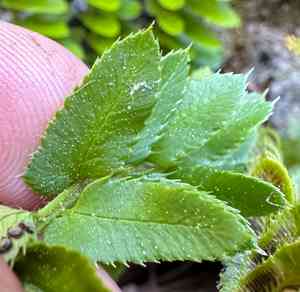
The narrowleaf swordfern, identifiable by its slender, tough leaves, thrives with trimming performed in late winter or early spring. Sever any deceased or injured fronds at their origin to improve air circulation and light exposure, fostering robust development. Periodically cutting back sprawling portions can also manage its expansion. Practicing proper sanitation by sterilizing instruments prevents the spread of pathogens. This meticulous upkeep not only improves the plant's well-being but also elevates its visual charm, establishing the narrowleaf swordfern as a prominent element in any landscape.
What Are the Benefits of Pruning Narrowleaf Swordfern?
What Are the Benefits of Pruning Narrowleaf Swordfern?
Trimming narrowleaf swordfern encourages robust development and maintains its form. Consistent cutting back helps narrowleaf swordfern resist insects and illnesses, ensuring vibrant foliage and an appealing look. Proper trimming also prevents overcrowding, improving air circulation.
What Is the Best Time for Pruning Narrowleaf Swordfern?
What Is the Best Time for Pruning Narrowleaf Swordfern?
Pruning or trimming during late winter or early spring is optimal for narrowleaf swordfern because it aligns with the plant's growth cycle, ensuring that it has the maximum time to recover and produce new growth before the active growing season. This timing also allows gardeners to remove any damaged or dead fronds accumulated over the winter, promoting better air circulation and reducing the risk of disease. Additionally, pruning in these seasons helps to shape the plant before it enters its primary growth phase, leading to a healthier and more aesthetically pleasing appearance throughout the year.
What Tools Do I Need to Prune Narrowleaf Swordfern?
Hand pruners
Hand pruners are ideal for cutting individual fronds close to the base, which is necessary for maintaining the shape and health of narrowleaf swordfern.
Pruning shears
Pruning shears provide more leverage and cutting power for thicker, tougher fronds, which are common in narrowleaf swordfern.
Garden scissors
Garden scissors are useful for more detailed trimming work, such as removing damaged or dead tissue without harming the healthy parts of narrowleaf swordfern.
Gloves
Protective gloves are essential to safeguard hands from the potentially sharp and irritating edges of the fronds of narrowleaf swordfern.
How to Prune Narrowleaf Swordfern
Inspect
Carefully examine narrowleaf swordfern for diseased and withered leaves. Pay close attention to any discoloration or soft, mushy areas.
Tools
Ensure you use clean, sharp pruning shears or scissors to prevent the spread of disease. Disinfect tools with rubbing alcohol before use.
Remove-Diseased
Cut off all diseased leaves at the base, as close to the crown of narrowleaf swordfern as possible without damaging the healthy parts. Make clean, precise cuts.
Remove-Withered
Trim off withered leaves by cutting them at the base, similar to the diseased leaves. Ensure no dead material remains as it can harbor pests.
Dispose
Dispose of all trimmed material away from your garden to prevent the spread of disease or pests. Do not compost diseased leaves.
Common Pruning Mistakes with Narrowleaf Swordfern
Over-pruning
Cutting away too much foliage can stress narrowleaf swordfern, impeding its ability to produce new growth and weakening the plant overall.
Improper tool use
Using dull or inappropriate tools can cause jagged cuts that may invite disease or pest infestations. Clean and sharp pruning shears are essential.
Pruning at the wrong angle
Cutting at incorrect angles can result in water pooling on the cut surfaces, which can lead to rot or fungal issues.
Common Pruning Tips for Narrowleaf Swordfern
Sterilize tools
Always sterilize your pruning tools before and after use to prevent the spread of disease.
Target dead or damaged fronds
Focus on removing dead or damaged fronds first to maintain the plant's health and appearance.
Cut close to the base
When removing old fronds, cut them close to the base without damaging the crown to encourage new growth.
Inspect for pests
Regularly check for pests or disease symptoms before pruning to avoid spreading problems to other parts of the plant or garden.



