How to Transplant Christmas fern?
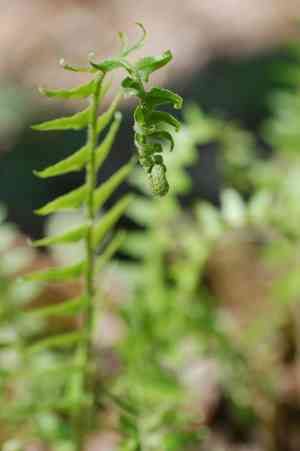
Relocating christmas fern flourishes when carried out in the mild temperatures of late spring or early summer, facilitating robust root development. Optimal spots are shaded with damp, adequately draining earth. Careful manipulation of the root system will foster successful acclimation.
Essential Preparations Before Relocating Christmas Fern?
Optimal Period for Moving Christmas Fern?
The ideal time for transplanting christmas fern is during the pleasant warmth of late spring to early summer. This timeframe promotes root development prior to the intense summer heat and after the risk of spring frosts has passed, offering your christmas fern the best chance for success. Moving it in this season allows the christmas fern sufficient time to establish a strong root system, ensuring a sturdy base for future growth. Your christmas fern will benefit from the longer days and mild weather, minimizing transplant shock and encouraging healthy new foliage.
Required Spacing Between Christmas Fern Plants?
When relocating christmas fern, it's crucial to provide each plant with adequate room! For optimal development, aim for a distance of approximately 2 to 3 feet (60-90 cm) between individual plants. This will allow them ample space to grow and flourish comfortably.
Best Soil Blend for Christmas Fern Transplantation?
Fortunately, christmas fern is not overly particular about its soil. However, it thrives in well-draining soil enriched with organic matter. Before transplanting, amend your soil with a foundational fertilizer to provide your christmas fern with an initial nutrient boost.
Where to Replant Your Christmas Fern?
For the perfect location for your christmas fern, it prefers partial to full shade. Therefore, select a spot that receives sunlight for only a portion of the day. This will safeguard your plant while still providing the necessary light for its growth.
Equipment Needed Before Transplanting Christmas Fern?
Gardening Gloves
To prevent skin irritation from plant sap and to protect your hands while handling soil and plants.
Shovel or Spade
For excavating the plant from its original spot and preparing a new hole at the transplant site.
Gardening Fork
To gently loosen the soil around the roots when extracting the plant.
Watering Can or Hose
To hydrate the plant before and after the relocation.
Trowel
For digging a hole when moving christmas fern from a container or seedling tray.
Secateurs or Pruning Shears
To trim any excess or dead leaves or branches before and after transplanting.
Natural Mulch
To maintain soil moisture and inhibit weed growth after transplanting.
How to Extract Christmas Fern from the Soil?
How to Extract Christmas Fern from the Soil?
From Ground: First, water the christmas fern plant to moisten the soil. Next, using your shovel or spade, dig a wide trench around the plant, ensuring the plant's root ball is well clear of the spade. Carefully work the spade beneath the root ball to dislodge the plant from its initial location; be gentle to avoid root damage.From Pot: Thoroughly water the plant. Invert the pot or turn it on its side, gently tapping the bottom to help release the christmas fern; you'll need to support the plant with your other hand. If the plant resists, use a trowel to carefully loosen the soil and roots along the inner edge of the pot to aid removal.From Seedling Tray: If the christmas fern is a seedling, gently water it and use a fork to lift the seedling from its cell, making sure to keep as much of the root ball intact with the seedling.
Step-by-Step Guide for Transplanting Christmas Fern
Digging the hole
The hole should be twice as wide and of equal depth to the christmas fern's root ball. A wider hole allows the roots to expand and spread, making the plant more stable and better able to absorb water and nutrients.
Positioning the plant
Place the christmas fern in the center of the hole. Ensure that the top of the root ball is level with or slightly below the ground surface.
Backfilling
Refill the hole with the excavated soil. Gently compact the soil around the base of the christmas fern to remove air pockets.
Watering
Water the plant thoroughly after transplanting. This helps the soil settle around the plant.
Mulching
Apply a layer of natural mulch around the christmas fern. This aids in retaining soil moisture and discourages weed growth, but remember not to pile it against the stem.
Post-Transplantation Care for Christmas Fern?
Consistent Watering
Continue to water the christmas fern regularly for several weeks following transplanting. As the plant establishes its root system, you can gradually reduce watering.
Monitor Plant's Health
Regularly check the plant's health. If you observe any wilting or discolored leaves, it may signal an issue.
Trimming
Prune any dead or unhealthy-looking leaves from the christmas fern to help direct energy towards the growth of new leaves.
Disease and Insect Control
Watch for pests or disease symptoms, and address them promptly to prevent harm to your christmas fern.
Addressing Common Issues with Christmas Fern Transplantation.
When is the best time to transplant christmas fern?
The recommended transplanting seasons for christmas fern are late summer to early fall (S3-S4). This helps establish roots before winter.
How much space should I keep between each christmas fern during transplantation?
Maintain a spacing of 2-3 feet (60-90 cm), giving each christmas fern ample room to grow and thrive.
How deep should I plant christmas fern?
Dig a hole that's double the width of the root ball and as deep. This provides the roots with space for expansion.
What type of soil is ideal for transplanting christmas fern?
Christmas fern prefers rich, well-draining soil. Amend with compost to improve soil quality and ensure successful transplanting.
How often should I water christmas fern after transplanting?
Regular watering is essential during the first few weeks post-transplant to establish the root system, then water as needed.
What should be done if yellow leaves appear after transplanting christmas fern?
Yellow leaves may indicate water stress. Increase watering frequency and ensure the soil drains well to prevent root rot.
Is it necessary to add fertilizer during transplantation of christmas fern?
A slow-release fertilizer can be added during transplanting to give christmas fern a nutrient boost. Avoid high-nitrogen fertilizers that encourage leaf growth over root development.
What if the christmas fern shows no signs of growth after transplantation?
Patience is key. Christmas fern may take some time to establish and show above-ground growth. Continue caring for it and wait for a few weeks.
What to do if leaves of christmas fern start wilting after transplantation?
Wilting can be a sign of transplantation shock. Water adequately, provide shade from intense sun, and allow the fern some time to recover.
What pests do I need to be careful of when transplanting christmas fern?
Christmas fern is mostly pest-resistant. However, watch out for slugs and snails. Keeping the area clean and using natural deterrents can keep these pests at bay.



