How to Propagate Christmas fern?
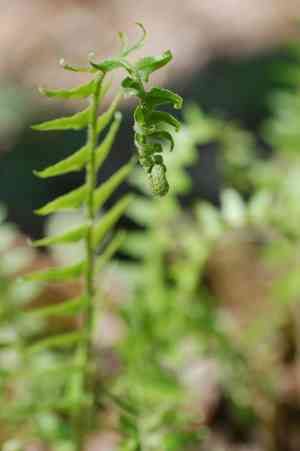
The most effective way to propagate Christmas fern is by dividing the plant, preferably in the spring or fall. This technique can be somewhat difficult, but if executed correctly, new foliage will emerge. To improve the chances of success, make sure the root system is robust during the division process.
Optimal Time for Christmas Fern Propagation
Propagation Method
Separation
Propagation Period
Spring, Fall
Tools Required for Christmas Fern Propagation
Gardening Gloves
Shield hands from dirt and sharp fern rhizomes during division, and prevent skin irritation from handling christmas fern.
Sharp Spade or Garden Knife
Precisely cut through christmas fern's tough, woody rhizomes to create divisions without harming plant tissues, promoting successful root separation and plant recovery.
Hand Trowel
Excavate around christmas fern's base to gently lift rhizomes from the soil without causing excessive root disturbance, fostering healthier transplantation.
Watering Can with a Fine Rose
Gently water newly potted divisions, ensuring even moisture distribution without dislodging soil or damaging delicate fronds of christmas fern.
Well-draining Potting Mix
Provide optimal root aeration and moisture retention during the crucial post-division recovery phase, supporting the acclimation and growth of christmas fern.
Pots with Drainage Holes
Allow excess water to escape and prevent root rot in christmas fern divisions, securing a healthy environment for root establishment.
How to Propagate Christmas Fern
Propagation Method
Division
Difficulty Level
Easy
Caring for Your Newly Propagated Christmas Fern
Caring for Your Newly Propagated Christmas Fern
Christmas fern thrives in a shaded spot with moist, organic-rich soil, mirroring its natural woodland environment. Ensure consistent moisture, especially during the initial growing season post-propagation. Shield from extreme heat or direct sun, and apply a mulch layer in winter for cold protection. Fertilization is generally unnecessary if planted in rich soil, but an annual compost application can encourage healthy growth. Monitor for pests or diseases, though christmas fern is typically resistant to most ailments.
Common Errors to Avoid When Propagating Christmas Fern
Overwatering
Excessive watering of christmas fern can lead to root rot and fungal infections. This error creates an environment conducive to disease, which can harm or kill young ferns.
Too much sunlight
Christmas fern naturally thrives in shaded areas. Providing too much sunlight can scorch the fronds, leading to dehydration and stunted growth.
Incorrect soil mixture
Using a soil mix that lacks proper drainage can harm christmas fern, as they prefer well-draining, loamy soil that mimics their natural forest floor habitat.
Neglecting division hygiene
When dividing christmas fern rhizomes, using unsterilized tools or making unclean cuts can introduce pathogens, leading to poor plant health.
Overlooking pest control
Christmas fern can be vulnerable to pests like aphids and scale insects. Ignoring pest management can result in infestations that weaken or destroy the ferns.
Tips For Propagating Christmas Fern
Moderate watering
Ensure christmas fern is watered just enough to keep the soil moist, but not waterlogged, to facilitate healthy growth without risking root diseases.
Shade provision
Propagate christmas fern in an area that mimics its natural environment, with filtered light or partial shade to prevent frond damage and ensure optimal growth.
Soil preparation
Use a soil mix that is rich in organic matter, well-draining, and loosely packed to mimic christmas fern's natural habitat and support healthy root development.
Sterilize tools
Always sterilize gardening tools before dividing christmas fern to prevent the spread of disease and ensure clean cuts that promote quicker healing and growth.
Regular inspections
Regularly inspect christmas fern for signs of pests or diseases, and take prompt action to manage any problems to ensure the health and vigor of the plants.



