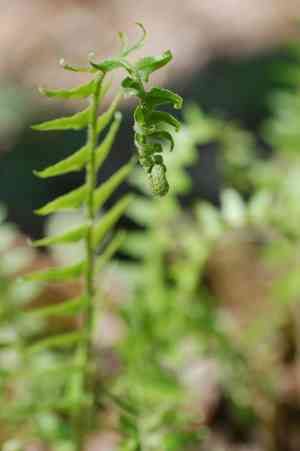
Christmas fern (Polystichum acrostichoides)
Also known as: Christmas Fern
Christmas fern, native to Eastern North America, thrives in wooded areas and along streambanks. Preferring slightly shady environments, it can either grow in colonies or as individual plants. The name "Christmas fern" comes from its evergreen fronds, which remain green and vibrant during the Christmas season.
In This Article
Attributes of Christmas fern
Lifespan
Perennial
Plant Type
Fern
Plant Height
30 cm to 91 cm
Spread
30 cm to 90 cm
Leaf Color
Green
Flower Size
N/A
Flower Color
N/A
Images of Christmas fern
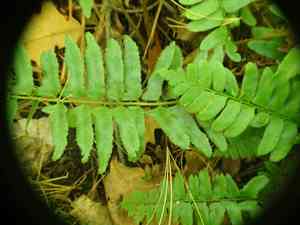
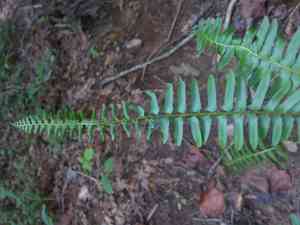
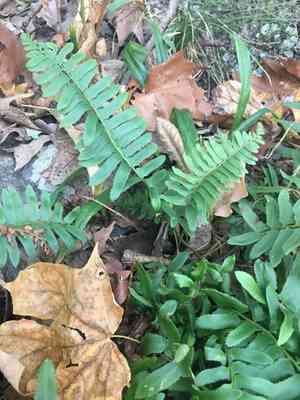
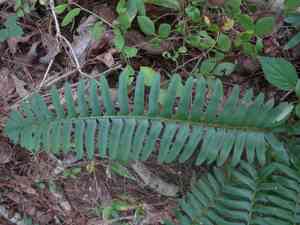
Quickly Identify Christmas fern
1
Evergreen fountain-like growth, 2-3 feet (60-91 cm) tall.
2
Dimorphic fronds with auricled pinnae, terminal pinnae reduced in fertile fronds.
3
Stipe covered in chaffy, scaly markings for distinctive texture.
4
Leathery lance-shaped leaves, once-pinnately compound with linear-oblong pinnae.
5
Sori present only on terminal one-third of frond, giving a unique arrangement.
Scientific Classification of Christmas fern
Phylum
Vascular plants
Class
Ferns
Order
Polypodiales
Family
Wood fern
Genus
christmas dagger
Species
Christmas fern
Planting and Growing of Christmas fern
Care Difficulty
Easy
Watering Schedule
Every 2 days
Sunlight Requirements
Full shade
Sunshine Duration
6-8 hours
Ideal Temperature
60-75℉
Soil Type
Potting Mix, Peat Mix
Soil pH
4.5-6
Fertilizer Type
Balanced
Pruning Season
Spring, Summer
Pruning Area
Branches, Leaves
Pruning Frequency
2 times a year
Repotting Season
Spring
Pot Type
Plastic, Terracotta
 How to Water Christmas fern?
Water the Christmas Fern until the soil is moist to the touch, ensuring it reaches the root zone but doesn't become soggy. This balance is crucial because their roots like to be moist but not waterlogged. The 250 ml typically provides enough moisture without overdoing it.
What are the symptoms of an underwatered Christmas fern?
›
What should I do if my Christmas fern is not getting enough water?
›
What are the symptoms of an overwatered Christmas fern?
›
How to save an overwatered Christmas fern?
›
 What Are the Sunlight Requirements for Christmas fern?
Polystichum acrostichoides prefers partial sun to full shade for optimal health, mimicking the dappled light conditions of a forest understory. This range supports lush, healthy foliage and robust growth, as well as improved disease resistance.
More About Sunlight Requirements Techniques→
How much sunlight does Polystichum acrostichoides need?
›
Where should Polystichum acrostichoides be placed for optimal growth?
›
What are the benefits of ideal lighting for this plant?
›
 What Is the Ideal Temperature Range for Christmas fern?
The ideal temperature range for Polystichum acrostichoides is crucial as it ensures optimal growth. Keeping the plant within 60-75°F allows it to thrive with minimal stress, providing the best conditions for photosynthesis and nutrient uptake.
 What Soil is Best for Christmas fern?
Polystichum acrostichoides thrives in well-drained soil that allows water to pass through quickly. This helps prevent waterlogging, which can lead to root rot and other diseases, ensuring the plant stays healthy. The plant prefers consistently moist soil, which supports lush, green frond development. Moist soil helps maintain the plant's hydration, especially during dry periods, promoting robust growth. A soil rich in organic matter provides essential nutrients for Polystichum acrostichoides. Nutrient-rich soil enhances the plant's overall health, leading to vigorous growth and resistance to pests.
More About Soil→
 How to Fertilize Christmas fern?
For Polystichum acrostichoides, fertilization should be moderate. Use a balanced liquid fertilizer diluted to half-strength. When using slow-release granular fertilizers, apply around 0.5 ounces per square foot of soil. Ensure the fertilizer is evenly distributed to prevent root burn and promote healthy growth.
 How to Prune Christmas fern?
Before beginning, identify the fronds that appear brown, withered, or have suffered any damage. These are the parts of the plant that need attention. Healthy fronds will usually be a vibrant green color. When pruning Polystichum acrostichoides, cut the selected fronds close to the base of the stem. This encourages new growth from the rhizome and prevents unsightly stubs from affecting the plant's appearance. After pruning, keep an eye on your plant to ensure it's recovering well. Look for new growth and check for signs of distress. If the plant isn't recovering as expected, reassess your care routine, including watering and light.
More About Pruning Techniques→
 How to Propagate Christmas fern plant?
1
Choose a healthy, mature fern clump for division. The clump should be well-established to ensure successful propagation.
2
Using a sharp spade, carefully divide the clump into smaller sections. Ensure each division has a healthy root system and foliage.
3
Replant each division in a suitable location with well-draining soil. Water thoroughly after planting to help the new sections establish.
 How to Repot Christmas fern plant?
1
Repotting is best done when the plant has become root-bound or when you notice a decline in growth vigor. The ideal time to perform this task is during the spring or autumn seasons, as the moderate temperatures and conditions are most conducive to recovery and regrowth. Look for signs such as roots protruding from drainage holes or the soil drying out more quickly than usual.
2
Select a new pot that is one size larger than the current one, which ensures room for growth while not being excessively large that could lead to waterlogging issues. A pot with adequate drainage holes is crucial to prevent root rot. Materials like terracotta or ceramic help with soil moisture regulation, promoting a healthier root environment.
3
Choose a soil mix that is rich in organic matter and offers excellent drainage, such as a mix specifically for ferns. This kind of soil not only provides the necessary nutrients but also ensures that excess moisture can drain away, preventing potential root rot, a common issue for overwatered ferns.



