The Christmas fern Plant Advantage: Maximizing Home and Office Appeal and Wellness
1
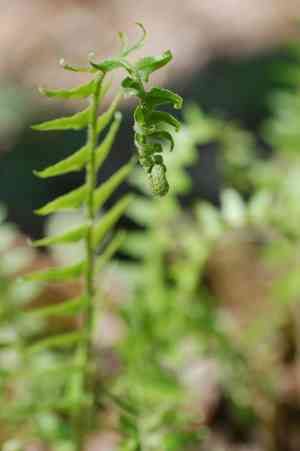
The Christmas fern is a robust, perennial fern, offering continuous foliage for your landscape.
2
This species is simple to maintain and flourishes in diverse soil conditions.
3
Christmas fern serves as superb ground cover and aids in preventing soil degradation.
What Are the Primary Advantages of Christmas Fern?
Evergreen Foliage
A key attractive quality of Christmas fern is its capacity to offer vibrant green foliage throughout the entire year. This characteristic makes it a favored selection for garden enthusiasts aiming to maintain a verdant, lush landscape irrespective of the season. The plant's fronds remain steadfast, guaranteeing consistent beauty even during the harshest winter months.
Minimal Upkeep
Another significant benefit of Christmas fern is its undemanding care requirements. This resilient fern thrives in diverse soil types, including loamy, sandy, and clayey compositions. Furthermore, it exhibits high drought tolerance once established, reducing the need for frequent watering. Its adaptability makes it an excellent option for both novice and seasoned gardeners seeking a low-effort yet visually pleasing plant.
How Does Christmas Fern Aid in Preventing Soil Erosion?
Effective Groundcover
A crucial advantage of Christmas fern is its ability to function as an efficient groundcover. The plant's dense fronds help in covering the soil, thereby lessening the impact of rainfall and preventing soil particles from being washed away. This feature is especially beneficial in areas susceptible to erosion, such as slopes and hillsides.
Root System
The root structure of Christmas fern plays a vital role in stabilizing soil. Its roots penetrate deeply into the earth, forming a network that holds the soil firmly in place. This attribute is essential for preserving soil structure and preventing landslides, making Christmas fern a practical addition to landscapes in erosion-prone regions.
What Are the Optimal Growing Conditions for Christmas Fern?
Light Preferences
Christmas fern flourishes in shaded to partially shaded environments. While it can endure some direct sunlight, prolonged exposure to intense sun may cause its fronds to scorch. Therefore, it's best to plant Christmas fern in areas receiving dappled sunlight or full shade, ensuring optimal growth and foliage quality.
Soil Requirements
Although Christmas fern adapts to various soil types, it particularly thrives in well-drained, organically rich soil. Incorporating compost or leaf mold can boost soil fertility, promoting healthier and more vigorous growth. Avoid waterlogged conditions, as excessive moisture can lead to root rot, impacting the plant's longevity.
Can Christmas Fern Be Utilized in Landscaping?
Aesthetic Appeal
Christmas fern is highly valued for its visual charm in landscaping. Its glossy, dark green fronds and vase-like form add a striking visual element to garden beds, borders, and woodland gardens. It pairs well with other shade-loving plants, creating a cohesive and visually appealing landscape design.
Functional Uses
Beyond its beauty, Christmas fern offers practical advantages in landscaping. It can be employed to create natural barriers, defining different garden areas while preventing soil erosion. Its dense growth habit also makes it an excellent choice for underplanting around trees and shrubs, filling in gaps and providing a lush groundcover.
Is Christmas Fern Beneficial for Wildlife?
Wildlife Habitat
Christmas fern serves as an important habitat for various forms of wildlife. Its dense foliage provides shelter for small animals and insects, fostering a rich ecosystem within your garden. Birds, in particular, may use the plant as a nesting site or as protection from predators.
Pollinator Attraction
While ferns are not typically known for attracting pollinators due to their lack of flowers, the lush green environment created by Christmas fern can indirectly benefit pollinators by enhancing the overall biodiversity of the garden. The presence of a variety of plants, including Christmas fern, supports a healthier and more balanced ecosystem.



