How to Transplant Mediterranean rabbitsfoot grass?
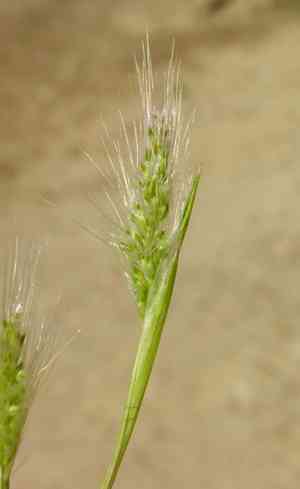
The ideal period for transplanting mediterranean rabbitsfoot grass is from the pleasant warmth of late spring through early summer, which guarantees robust development. Select locations that receive ample sunlight and possess soil that drains effectively. Carefully introduce mediterranean rabbitsfoot grass to its new environment to prevent stress, thereby improving its successful integration.
What Preparations are Needed Before Transplanting Mediterranean Rabbitsfoot Grass?
What is the Ideal Time for Transplanting Mediterranean Rabbitsfoot Grass?
The optimal period for relocating mediterranean rabbitsfoot grass typically spans from the vibrant days of late spring into the early part of summer. This timeframe provides an excellent combination of warm soil and moderate temperatures, promoting vigorous root development and adaptation. Moving mediterranean rabbitsfoot grass during this season allows the delicate shoots to thrive under gentle sunlight, building strength before the intense summer heat. Furthermore, the longer days offer ample light for photosynthesis, while the mild climate minimizes stress on young plants, setting a promising foundation for their growth.
How Much Space Should You Leave Between Mediterranean Rabbitsfoot Grass Plants?
When moving mediterranean rabbitsfoot grass, aim to provide each plant sufficient room to flourish. A spacing of approximately 6-8 inches (15-20 cm) between individual plants will work well. This spacing ensures each plant receives ample nutrients without competing excessively with its neighbors.
What is the Best Soil Mix for Mediterranean Rabbitsfoot Grass Transplanting?
For mediterranean rabbitsfoot grass, prepare a soil that drains effectively and is rich in organic material. Prior to planting, incorporate a balanced, slow-release fertilizer to give your plants a robust start. A sandy loam or a loamy sand substrate would be perfectly suited for these coastal beauties.
Where Should You Relocate Your Mediterranean Rabbitsfoot Grass?
Select a sunny location for mediterranean rabbitsfoot grass, where they can receive at least 6 hours of direct sunlight daily. They thrive in bright conditions and will flourish with ample sun exposure. Ensure your chosen spot offers protection from harsh, direct afternoon sun if you reside in a particularly hot climate.
What Equipments Should You Prepare Before Transplantation Mediterranean Rabbitsfoot Grass?
Gardening Gloves
To safeguard your hands while handling soil and plants.
Hand Trowel
For excavating and creating the transplanting hole.
Spade or Shovel
For digging around and lifting the plant, if required.
Watering Can or Hose
To hydrate the plant before and after its relocation.
Pruning Shears
To trim any dead or damaged roots or foliage.
Wheelbarrow or Garden Cart
To transport the plant and soil, if necessary.
How Do You Remove Mediterranean Rabbitsfoot Grass from the Soil?
How Do You Remove Mediterranean Rabbitsfoot Grass from the Soil?
From Ground: Ensure the soil is damp but not saturated. Use a spade or shovel to dig a wide circle around mediterranean rabbitsfoot grass, being careful not to cut into the root ball. Gently lift mediterranean rabbitsfoot grass from the ground, preserving as much of the root system as possible.From Pot: Water mediterranean rabbitsfoot grass beforehand. Incline the pot to the side and gently tap it to loosen the soil and roots. Grasp the base of the plant and carefully extract it, supporting the root ball with your other hand.From Seedling Tray: Water the seedlings and allow excess water to drain. Use a hand trowel or a wooden stick to loosen the soil surrounding each seedling. Carefully lift the seedling by its leaves, not the stem, and support the root ball.
Step-by-Step Guide for Transplanting Mediterranean Rabbitsfoot Grass
Digging Hole
Excavate a hole in the ground that is twice as wide and the same depth as the root ball of mediterranean rabbitsfoot grass.
Preparing Root Ball
If the root ball is densely packed, gently separate the roots to encourage outward growth.
Planting
Position mediterranean rabbitsfoot grass into the hole at the same depth it was previously growing. Backfill the hole with soil and gently press around the base of the plant.
Watering
Thoroughly water mediterranean rabbitsfoot grass after planting to settle the soil and eliminate air pockets.
Mulching
Apply a layer of mulch around mediterranean rabbitsfoot grass to help retain moisture and suppress weeds.
How Do You Care For Mediterranean Rabbitsfoot Grass After Transplanting?
Watering
Provide consistent watering to maintain uniform moisture, especially during the initial weeks, while mediterranean rabbitsfoot grass establishes itself.
Mulch
Maintain a layer of mulch to conserve moisture, regulate soil temperature, and reduce competition from weeds.
Monitoring
Observe mediterranean rabbitsfoot grass for indications of stress, such as wilting or discolored leaves. Adjust care as needed.
Pruning
Trim any dead or damaged foliage to direct energy towards healthy growth and minimize the risk of disease.
Troubleshooting Common Issues with Mediterranean Rabbitsfoot Grass Transplantation.
When is the best time to transplant mediterranean rabbitsfoot grass for optimal growth?
The ideal period for transplanting mediterranean rabbitsfoot grass is during the gentle warming trend, from late spring to early summer.
How much space do mediterranean rabbitsfoot grass require when transplanting?
Keep your mediterranean rabbitsfoot grass content by providing ample room, spacing each about 6-8 inches (15-20 cm) apart.
What should I do if mediterranean rabbitsfoot grass wilts after transplanting?
Ensure mediterranean rabbitsfoot grass remains hydrated with careful watering and shield it from intense sun until it recovers.
How deep should I plant mediterranean rabbitsfoot grass when transplanting?
Dig a comfortable hole just deep enough to accommodate mediterranean rabbitsfoot grass's roots, without burying its base too deeply.
Can I fertilize mediterranean rabbitsfoot grass immediately after transplanting?
Refrain from fertilizing! Allow mediterranean rabbitsfoot grass to acclimate for a few weeks before introducing nutrients.
Is mulching beneficial for mediterranean rabbitsfoot grass after transplanting?
Absolutely! A mulch layer can help retain moisture and warmth, assisting mediterranean rabbitsfoot grass's adjustment to its new location.
How should I care for mediterranean rabbitsfoot grass if sudden frost hits after transplanting?
Cover mediterranean rabbitsfoot grass with frost blankets or straw to protect it from unexpected cold nights.
What are signs of mediterranean rabbitsfoot grass having transplant shock?
Watch for drooping or discolored leaves, which indicate that mediterranean rabbitsfoot grass is experiencing stress from the move.
Why are my mediterranean rabbitsfoot grass not thriving after transplanting?
Verify adequate sunlight, water, spacing, and soil conditions, as any imbalance can impede mediterranean rabbitsfoot grass's development.
Can mediterranean rabbitsfoot grass be transplanted on overcast days?
Yes, cloudy days are perfect for transplanting mediterranean rabbitsfoot grass as they lessen the stress of direct sunlight.



