How to Prune Mediterranean rabbitsfoot grass?
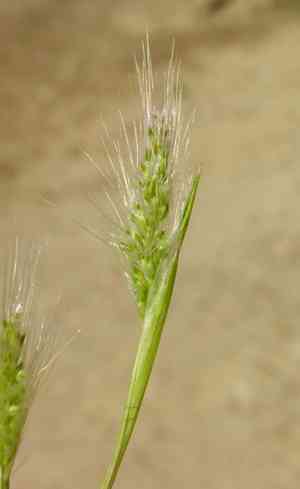
A perennial grass that prospers in littoral zones, mediterranean rabbitsfoot grass benefits from consistent trimming to eliminate spent leaves and foster fresh development. Perform pruning in springtime to encourage abundant foliage, then follow with minor shaping in summer and autumn to preserve its form. Trimming improves air movement, which deters illness. Optimal technique involves using sharp cutting tools for precise incisions, thereby protecting the plant from undue strain.
What Are the Benefits of Pruning Mediterranean Rabbitsfoot Grass?
What Are the Benefits of Pruning Mediterranean Rabbitsfoot Grass?
Trimming mediterranean rabbitsfoot grass promotes robust development and maintains its desired form. This practice helps eliminate dead or weak foliage, enhancing air circulation and lowering disease risk, ultimately resulting in a more vigorous and visually appealing specimen.
What Is the Best Time for Pruning Mediterranean Rabbitsfoot Grass?
What Is the Best Time for Pruning Mediterranean Rabbitsfoot Grass?
Pruning or trimming of mediterranean rabbitsfoot grass is best done in Spring as it aligns with the onset of the plant's active growth phase, ensuring rapid recovery and vigorous new growth. Early Summer is also suitable, particularly following the flowering period, to maintain plant shape and remove spent flower stalks, which encourages further vegetative growth and possibly a second bloom. Pruning in Fall is beneficial for removing any dead or diseased foliage before the plant enters dormancy in Winter, which reduces the likelihood of fungal diseases and pest infestations. Pruning in these seasons also allows mediterranean rabbitsfoot grass to retain energy and resources to survive during less optimal growing conditions.
What Tools Do I Need to Prune Mediterranean Rabbitsfoot Grass?
Hand Pruners
Mediterranean rabbitsfoot grass is a grass species, and during its trimming for size control or removal of dead foliage, hand pruners provide the necessary precision and control. Choose bypass pruners for clean and healthy cuts.
Grass Shears
Especially suited for shaping or cutting back clumps of mediterranean rabbitsfoot grass. The long blades make it efficient for trimming grass without damaging neighboring plants.
String Trimmer
For larger areas or dense growth of mediterranean rabbitsfoot grass, a string trimmer could efficiently cut back the grass quickly. Ensure that the string trimmer is used with care to prevent damage to the plant's base.
How to Prune Mediterranean Rabbitsfoot Grass
Clean tools
Before starting, ensure that all pruning tools are clean and sharp to prevent disease and ensure clean cuts on mediterranean rabbitsfoot grass.
Identify
Locate withered leaves on mediterranean rabbitsfoot grass, as these are the parts that generally require removal for health and aesthetic reasons.
Cut leaves
Using scissors or hand pruners, gently cut the withered leaves at the base where they meet the stem or main clump of mediterranean rabbitsfoot grass, taking care not to damage new growth.
Dispose
Collect and dispose of the removed withered leaves to prevent any potential disease spread in mediterranean rabbitsfoot grass.
Cleanup
Clean the area around mediterranean rabbitsfoot grass to ensure it is free from debris and fallen leaves, which could harbor pests or diseases.
Common Pruning Mistakes with Mediterranean Rabbitsfoot Grass
Overpruning
Removing too much foliage from mediterranean rabbitsfoot grass at once can shock the plant, leading to stunted growth or an unhealthy plant.
Improper cut locations
Cutting mediterranean rabbitsfoot grass in the wrong places, such as too far away from a node or too close to the main stems, can create wounds that do not heal properly or encourage disease.
Using dull tools
Dull pruning tools can damage mediterranean rabbitsfoot grass's stems and leaves, resulting in jagged cuts that make the plant more susceptible to pests and diseases.
Ignoring plant shape
Pruning without considering the natural growth pattern of mediterranean rabbitsfoot grass can lead to an unbalanced or unnatural plant shape that reduces its aesthetic appeal.
Avoiding cleanup
Failing to remove the cuttings and dead material after pruning mediterranean rabbitsfoot grass can invite fungal growth and pest infestations around the plant.
Common Pruning Tips for Mediterranean Rabbitsfoot Grass
Sharp tools
Use clean, sharp pruning shears for mediterranean rabbitsfoot grass to make clean cuts that heal quickly, minimizing the risk of disease.
Gradual pruning
Prune mediterranean rabbitsfoot grass gradually, taking care not to remove too much growth at once to prevent stressing the plant.
Attention to growth
Focus on trimming dead or weak stems of mediterranean rabbitsfoot grass to encourage stronger growth and improve overall plant health.
Prune for shape
Shape mediterranean rabbitsfoot grass through selective pruning to maintain its natural appearance while controlling size and encouraging bushier growth.
Post prune care
After pruning mediterranean rabbitsfoot grass, ensure proper plant care, including appropriate watering and fertilization to support recovery and healthy growth.



