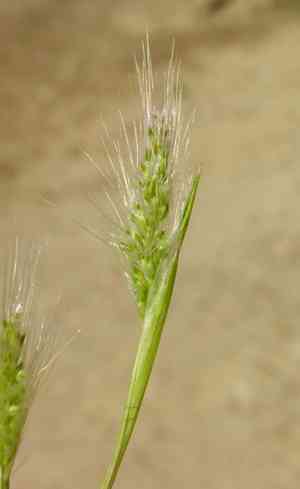
Mediterranean rabbitsfoot grass (Polypogon maritimus)
Also known as: Southern beard grass, Coast beard grass
The name "rabbitsfoot" for the Mediterranean rabbitsfoot grass (Polypogon maritimus) is derived from its fluffy seed heads, which bear a resemblance to the furry foot of a rabbit. This plant is commonly found in moist environments globally.
In This Article
Attributes of Mediterranean rabbitsfoot grass
Lifespan
Annual
Plant Type
Grass
Plant Height
30-70 cm
Spread
Not applicable
Leaf Color
Green
Flower Size
0.5-1 cm
Flower Color
Yellow Purple Green Brown
Images of Mediterranean rabbitsfoot grass
Quickly Identify Mediterranean rabbitsfoot grass
1
Polypogon maritimus can be identified by its dense, bushy inflorescence which is usually purplish or grayish in color. The stems are upright and can sometimes appear reddish at the base. The leaves are flat and linear.
Scientific Classification of Mediterranean rabbitsfoot grass
Phylum
Vascular plants
Class
Monocotyledons
Order
Poales
Family
Grass
Genus
Beard grasses
Species
Mediterranean rabbitsfoot grass
Planting and Growing of Mediterranean rabbitsfoot grass
Care Difficulty
Easy
Watering Schedule
Every 4 days
Sunlight Requirements
Full sun
Sunshine Duration
6-10 hours
Ideal Temperature
60-75℉
Soil Type
Potting Mix, Peat Mix
Soil pH
6.5-7.5
Fertilizer Type
Balanced
Pruning Season
Spring, Summer
Pruning Area
Branches, Leaves
Pruning Frequency
2 times a year
Repotting Season
Spring
Pot Type
Plastic, Ceramic
 How to Water Mediterranean rabbitsfoot grass?
The recommended watering amount for Polypogon maritimus is approximately 300 ml per session. This amount ensures that the soil remains moist but not waterlogged, allowing the roots to access adequate moisture without the risk of root rot. Water the plant until you observe a slight drainage from the bottom of the pot, which indicates thorough saturation without overwatering.
What are the symptoms of an underwatered Mediterranean rabbitsfoot grass?
›
What should I do if my Mediterranean rabbitsfoot grass is not getting enough water?
›
What are the symptoms of an overwatered Mediterranean rabbitsfoot grass?
›
How to save an overwatered Mediterranean rabbitsfoot grass?
›
 What Are the Sunlight Requirements for Mediterranean rabbitsfoot grass?
Polypogon maritimus thrives in conditions with full to partial sun, benefiting significantly from such lighting. Ideal light promotes vigorous growth, vibrant foliage color, and robust health, enabling it to thrive in its environment.
What is the ideal lighting for Polypogon maritimus?
›
How to achieve optimal lighting for Polypogon maritimus?
›
What benefits will Polypogon maritimus get from ideal lighting?
›
 What Is the Ideal Temperature Range for Mediterranean rabbitsfoot grass?
The optimal temperature range for cultivating Polypogon maritimus lies between 60°F and 75°F. This range supports the plant's physiological processes adequately, promoting healthy growth and development. Ensuring temperatures remain in this band will likely yield the most vibrant and vigorous plant manifestation.
 What Soil is Best for Mediterranean rabbitsfoot grass?
Polypogon maritimus requires well-drained soil to thrive, as it prevents waterlogging which can lead to root rot. Ensuring good drainage facilitates healthy root growth and helps the plant access essential nutrients more effectively. This plant benefits from soil rich in organic matter, which provides necessary nutrients for optimal growth. Nutrient-rich soil encourages vigorous leaf production and overall plant health. The soil needs to retain sufficient moisture without becoming overly saturated, promoting consistent hydration. This balance helps maintain turgidity and supports steady growth rates.
 How to Fertilize Mediterranean rabbitsfoot grass?
For Polypogon maritimus, use a balanced liquid fertilizer diluted to half strength, applying about 100 ml per plant base. Ensure not to fertilize on dry soil to prevent potential nutrient burn. For solid fertilizers, a slow-release granular type with equal N-P-K composition is advisable, spreading around 50 grams evenly across the root zone.
 How to Prune Mediterranean rabbitsfoot grass?
Begin by sterilizing your pruning shears to prevent infections. Look for any dead or discolored leaves and stem sections, and cut them back to the base. Focus on thinning out crowded areas to enhance air circulation. Aim to maintain the plant's natural shape, and avoid cutting more than a third of the plant at once. This method encourages new and healthy growth.
More About Pruning Techniques→
 How to Propagate Mediterranean rabbitsfoot grass plant?
1
To propagate by seeds, start by filling seed trays with a well-draining potting mix. Sow the seeds evenly over the surface and lightly cover them with a thin layer of soil. Water gently to keep the soil moist.
2
Division involves separating the plant into smaller sections. Begin by carefully removing the entire plant from the ground using a spade. Gently shake off excess soil and identify natural division points along the root mass.
3
Once divided, each section should be planted immediately into the garden or pots. Ensure the new planting site is well-prepared with suitable soil conditions and water thoroughly after planting to settle the soil around the roots.
 How to Repot Mediterranean rabbitsfoot grass plant?
1
Polypogon maritimus should be repotted when you notice roots emerging from the drainage holes, the plant becoming top-heavy, or a decline in growth and health despite proper care. These signs indicate that the plant has outgrown its current pot and requires more space and fresh nutrients.
2
Select a pot slightly larger than the current one, with ample drainage holes at the bottom. This ensures that excess water is drained away, preventing root rot and allowing the roots to expand comfortably, promoting healthier growth.
3
Opt for a sandy, well-draining soil mix to mimic the plant's natural coastal habitat. This type of soil prevents water retention and suffocation of the roots, ensuring optimal oxygen flow and nutrient uptake for the plant.



