The Mediterranean rabbitsfoot grass Plant Advantage: Maximizing Home and Office Appeal and Wellness
1
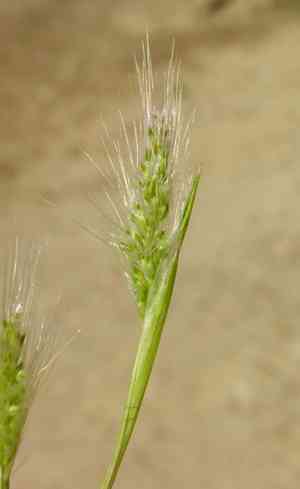
Mediterranean rabbitsfoot grass serves as an advantageous ground cover.
2
It significantly aids in preventing soil degradation.
3
This flora fosters ecological diversity by offering refuge to minor fauna.
Why Mediterranean rabbitsfoot grass Excels as a Ground Cover
Effective Soil Stabilization
A key advantage of Mediterranean rabbitsfoot grass is its capacity to stabilize soil. When utilized as ground cover, its dense root system binds the earth, significantly reducing erosion. This makes it an excellent choice for areas prone to soil loss. Whether on slopes or flat areas, Mediterranean rabbitsfoot grass ensures soil integrity, preventing the depletion of fertile topsoil.
Natural Weed Control
Another benefit of Mediterranean rabbitsfoot grass is its ability to naturally suppress weeds. Its thick foliage shades the ground, creating conditions where weed seeds struggle to sprout. This lessens the need for chemical herbicides, offering an eco-friendly method for maintaining a tidy garden. By incorporating this grass, you foster a healthier ecosystem and reduce weeding effort.
How Mediterranean rabbitsfoot grass Boosts Biodiversity
Providing Habitats for Small Creatures
Mediterranean rabbitsfoot grass not only aids in soil and weed management but also supports biodiversity by offering habitats for small wildlife. Tiny insects, birds, and other animals can find refuge and sustenance within its dense growth. This makes Mediterranean rabbitsfoot grass an excellent plant for fostering a richer, more varied ecosystem in your garden.
Attracting Pollinators
Beyond offering habitats, Mediterranean rabbitsfoot grass can also draw in pollinators. Bees, butterflies, and other beneficial insects are attracted to the plant, assisting in the pollination of nearby blooms and vegetation. This contributes to healthier plant development and more abundant floral displays, enhancing your garden's overall beauty and productivity.
How Mediterranean rabbitsfoot grass Improves Soil Quality
Nutrient Cycling
Mediterranean rabbitsfoot grass plays a vital role in the soil's nutrient cycle. Its roots penetrate deeply, breaking up compacted soil layers and improving aeration. This creates an ideal environment for beneficial microorganisms to flourish, further enriching the soil. Over time, Mediterranean rabbitsfoot grass contributes to a more fertile and productive garden ecosystem.
Organic Matter Contribution
As Mediterranean rabbitsfoot grass grows and eventually decays, it adds organic matter to the soil. This organic matter improves the soil's structure, water retention, and nutrient content. For gardeners aiming to naturally enhance soil quality, Mediterranean rabbitsfoot grass is an excellent option that provides long-term benefits with minimal effort.
Integrating Mediterranean rabbitsfoot grass into Your Garden
Planting and Care Guidelines
Incorporating Mediterranean rabbitsfoot grass into your garden is quite simple. Start by preparing the planting area, ensuring the soil drains well. Sow seeds or plant rooted stems in early spring or fall for optimal results. This plant requires minimal upkeep once established, needing only occasional watering during extended dry periods and annual trimming to maintain neatness.
Companion Planting Suggestions
Consider pairing Mediterranean rabbitsfoot grass with other native grasses and flowering plants to create a diverse and resilient garden. Companion planting can amplify the benefits of this grass by providing a more varied habitat for wildlife and improving overall garden health. Combine it with plants that thrive in similar conditions, and enjoy a low-maintenance yet thriving garden ecosystem.



